
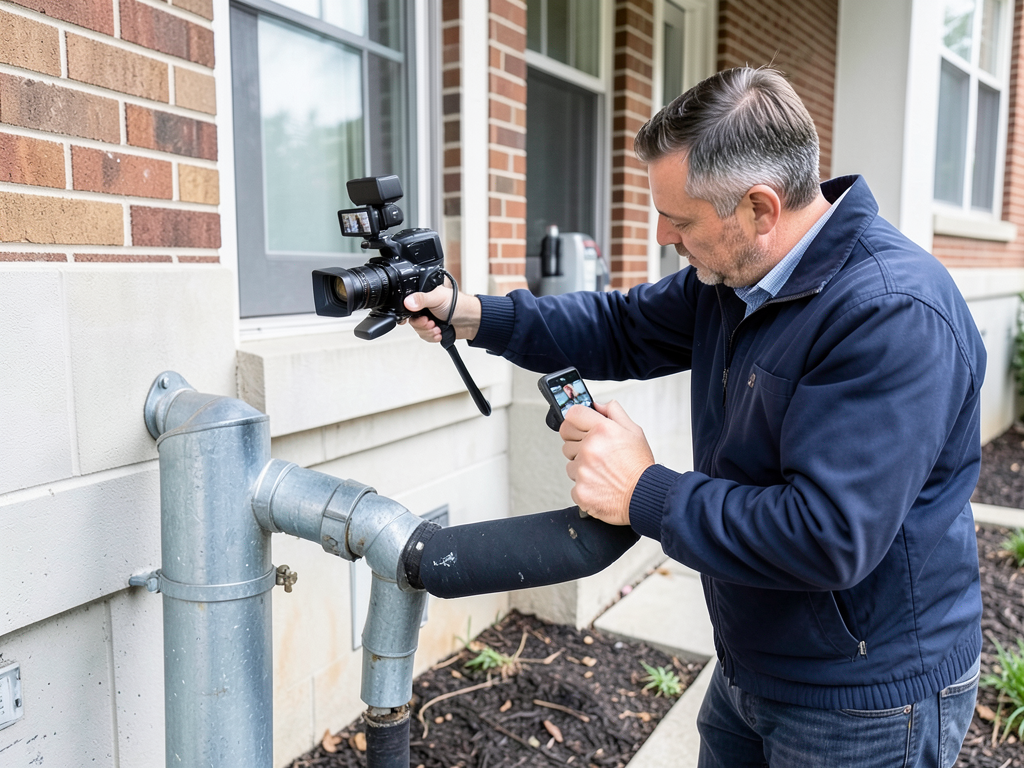
How to Pass a Municipal Plumbing Inspection in University City or Clayton
Getting a passing grade on your municipal plumbing inspection in St. Louis requires understanding the specific requirements of your jurisdiction. Whether you’re selling a home, completing renovations, or obtaining an occupancy permit, this guide breaks down everything you need to know to navigate the inspection process successfully. St. Louis City Building Safety Department.
Understanding St. Louis City vs. St. Louis County Inspection Requirements
The first step is knowing which authority governs your property. St. Louis City and St. Louis County have separate inspection departments with different codes and procedures. St. Louis County Public Works Plumbing Information.
St. Louis City inspections fall under the Department of Building Safety, which enforces the St. Louis City Plumbing Code based on the International Plumbing Code (IPC) with local amendments. The city requires permits for nearly all plumbing work and conducts both rough-in and final inspections.
St. Louis County inspections are handled by the Department of Public Works, which follows the St. Louis County Plumbing Code. County requirements often differ from city standards, particularly regarding permit fees, inspection timelines, and documentation.
Golden Nugget: St. Louis County requires a minimum 4-inch main waste stack for all new residential construction, while the city allows 3-inch stacks in certain single-family homes under specific conditions.
When is a Plumbing Inspection Required?
Several situations trigger the need for a municipal plumbing inspection in the St. Louis area: Plumbing Florissant.
- Home sales requiring occupancy permits
- Major renovations involving plumbing system changes
- New construction projects
- Commercial property occupancy
- Sewer lateral repairs or replacements
Point of Sale Inspections are particularly common in University City and Clayton. These inspections verify that all plumbing systems meet current code standards before a property can change ownership. Sellers often face unexpected repair costs when deficiencies are discovered.
The Metropolitan Sewer District (MSD) also requires inspections for certain sewer lateral work, especially in areas with combined sewer systems where stormwater and wastewater share the same pipes.
Our Comprehensive St. Louis Inspection Checklist
Preparing for your inspection requires attention to detail. Here’s what inspectors look for in the St. Louis area:
| Inspection Category | Specific Requirements | Common Failure Points |
|---|---|---|
| Main Stack | Proper sizing, venting, cleanouts | Improper slope, missing cleanouts |
| Water Supply | Pressure testing, pipe sizing | Leaks, inadequate pressure |
| Drainage | Proper trap seals, venting | S-traps, missing vents |
| Fixtures | Proper installation, accessibility | Incorrect rough-in dimensions |
| Backflow Prevention | RPZ or double-check valves where required | Missing devices, failed testing |
Golden Nugget: St. Louis County requires all homes built after 2010 to have a dedicated washing machine standpipe with an air gap, while older homes are grandfathered but must meet this standard during major renovations.
The St. Louis Sewer Lateral Program
Many University City and Clayton properties have aging clay sewer laterals that require special attention during inspections. The St. Louis Sewer Lateral Program provides financial assistance for repairs when defects are found.
Properties in the program receive up to 50% reimbursement for lateral repairs, with a maximum of $5,000 per property. This program specifically targets areas where combined sewer overflows are a concern.
Inspectors use video camera inspection to examine lateral lines. They look for cracks, root intrusion, and separation at joints. A failing lateral can cause a property to fail inspection even if the interior plumbing is perfect. Plumbing Clayton.
Common Reasons for Failing a Municipal Plumbing Inspection
Understanding why inspections fail can help you prepare:
- Improper venting – Missing or incorrectly sized vent pipes cause slow drainage and trap siphonage
- Incorrect pipe sizing – Undersized drains lead to frequent clogs and backups
- Missing backflow prevention – Required on all commercial properties and many residential homes with irrigation systems
- Improper water heater installation – Missing expansion tanks, incorrect venting, or lack of earthquake strapping
- Non-code compliant fixtures – S-traps instead of P-traps, missing cleanouts
Golden Nugget: In University City’s older neighborhoods like Parkview, inspectors frequently find galvanized steel supply lines that have corroded internally. These require replacement even if they appear functional from the outside.
Step-by-Step Guide to Passing Your Inspection
- Obtain Required Permits
Contact your local building department before starting any work. St. Louis City permits cost $75-150 depending on scope, while County permits range from $50-200.
- Schedule Pre-Inspection
Have a licensed master plumber conduct a pre-inspection to identify potential issues before the municipal inspector arrives.
- Prepare Documentation
Gather all permits, plans, and material specifications. Inspectors want to see that work follows approved plans.
- Be Present for Inspection
Have your plumber available to answer technical questions and demonstrate system functionality.
- Address Deficiencies Immediately
If the inspector finds issues, schedule corrections promptly. Most jurisdictions allow one re-inspection without additional fees.
Occupancy Inspections vs. Renovation-Specific Inspections
The scope of your inspection depends on the purpose:
Occupancy Inspections are comprehensive and examine every plumbing fixture and system in the building. These are required when obtaining a certificate of occupancy for new construction or when converting a property’s use (e.g., residential to commercial).
Renovation Inspections focus only on the modified plumbing systems. If you’re replacing a water heater or adding a bathroom, the inspector only examines those specific areas rather than the entire plumbing system.
Golden Nugget: Clayton requires a final inspection for any plumbing work over $1,000, even if it’s just fixture replacement. This requirement catches many DIY homeowners by surprise.
Cost Factors and Timeline Considerations
Municipal inspection fees vary by jurisdiction and scope of work. Expect to pay:
- Permit fees: $50-200
- Inspection fees: $75-150 per visit
- Re-inspection fees: $50-100 if needed
Timeline from permit application to final approval typically takes 2-4 weeks, depending on workload at the building department. Rush inspections may be available for an additional fee in urgent situations.
Commercial properties often face longer timelines due to more complex requirements and multiple inspection stages (rough-in, above-ground, final).
Frequently Asked Questions
How long does a plumbing inspection take?
Most residential inspections take 30-60 minutes. Commercial inspections typically require 1-2 hours depending on building size and complexity.
What happens if I fail the inspection?
You’ll receive a written report detailing deficiencies. You must correct these issues and schedule a re-inspection. Most jurisdictions allow one free re-inspection within 30 days.
Can I do my own plumbing work and pass inspection?
DIY plumbing is allowed in St. Louis County for single-family homes but not in St. Louis City. However, DIY work often fails inspection due to unfamiliarity with current codes.
Do I need a permit for minor repairs?
St. Louis City requires permits for all plumbing work. St. Louis County exempts minor repairs like faucet replacement or toilet repairs from permitting requirements.
Call (314) 417-7677 Today to Schedule Your Inspection
Don’t risk failing your municipal plumbing inspection. Our team of licensed master plumbers knows the specific requirements for University City, Clayton, and all St. Louis area jurisdictions. We’ll ensure your plumbing system meets all code requirements the first time, saving you time and money.
Call (314) 417-7677 now to schedule a pre-inspection consultation. We’ll identify potential issues before the municipal inspector finds them, giving you peace of mind and a guaranteed passing grade.
Pick up the phone and call (314) 417-7677 before your next plumbing project. Our expertise in local codes and inspection requirements means you’ll never face unexpected repair costs or failed inspections again.
{
“@context”: “https://schema.org”,
“@type”: “BlogPosting”,
“headline”: “How to Pass a Municipal Plumbing Inspection in University City or Clayton”,
“description”: “Complete guide to St. Louis municipal plumbing inspections. Learn City vs County codes, permit requirements, and how to avoid common failures.”,
“wordCount”: 1206,
“datePublished”: “2026-06-04T11:20:00.000Z”,
“dateModified”: “2026-06-04T11:20:00.000Z”,
“inLanguage”: “en-US”,
“mainEntityOfPage”: {
“@type”: “WebPage”,
“@id”: “https://peakplumbingstlouis.com”
},
“publisher”: {
“@type”: “LocalBusiness”,
“name”: “Peak Plumbing St. Louis”,
“url”: “https://peakplumbingstlouis.com”
},
“author”: {
“@type”: “Organization”,
“name”: “Peak Plumbing St. Louis”,
“url”: “https://peakplumbingstlouis.com”
},
“image”: {
“@type”: “ImageObject”,
“url”: “https://peakplumbingstlouis.com/wp-content/uploads/2026/03/how-to-pass-a-municipal-plumbing-inspection-in-uni-1.png”
}
}
{
“@context”: “https://schema.org”,
“@type”: “Plumber”,
“name”: “Peak Plumbing St. Louis”,
“url”: “https://peakplumbingstlouis.com”,
“address”: {
“@type”: “PostalAddress”,
“addressLocality”: “St. Louis”
},
“areaServed”: {
“@type”: “City”,
“name”: “St. Louis”
}
}
{
“@context”: “https://schema.org”,
“@type”: “FAQPage”,
“mainEntity”: [
{
“@type”: “Question”,
“name”: “When is a Plumbing Inspection Required?”,
“acceptedAnswer”: {
“@type”: “Answer”,
“text”: “Several situations trigger the need for a municipal plumbing inspection in the St. Louis area: Plumbing Florissant.”
}
},
{
“@type”: “Question”,
“name”: “How long does a plumbing inspection take?”,
“acceptedAnswer”: {
“@type”: “Answer”,
“text”: “Most residential inspections take 30-60 minutes. Commercial inspections typically require 1-2 hours depending on building size and complexity.”
}
},
{
“@type”: “Question”,
“name”: “What happens if I fail the inspection?”,
“acceptedAnswer”: {
“@type”: “Answer”,
“text”: “You’ll receive a written report detailing deficiencies. You must correct these issues and schedule a re-inspection. Most jurisdictions allow one free re-inspection within 30 days.”
}
},
{
“@type”: “Question”,
“name”: “Can I do my own plumbing work and pass inspection?”,
“acceptedAnswer”: {
“@type”: “Answer”,
“text”: “DIY plumbing is allowed in St. Louis County for single-family homes but not in St. Louis City. However, DIY work often fails inspection due to unfamiliarity with current codes.”
}
},
{
“@type”: “Question”,
“name”: “Do I need a permit for minor repairs?”,
“acceptedAnswer”: {
“@type”: “Answer”,
“text”: “St. Louis City requires permits for all plumbing work. St. Louis County exempts minor repairs like faucet replacement or toilet repairs from permitting requirements.”
}
}
]
}
{
“@context”: “https://schema.org”,
“@type”: “HowTo”,
“name”: “How to Pass a Municipal Plumbing Inspection”,
“step”: [
{
“@type”: “HowToStep”,
“position”: 1,
“name”: “Obtain Required Permits”,
“text”: “Contact your local building department before starting any work. St. Louis City permits cost $75-150 depending on scope, while County permits range from $50-200.”
},
{
“@type”: “HowToStep”,
“position”: 2,
“name”: “Schedule Pre-Inspection”,
“text”: “Have a licensed master plumber conduct a pre-inspection to identify potential issues before the municipal inspector arrives.”
},
{
“@type”: “HowToStep”,
“position”: 3,
“name”: “Prepare Documentation”,
“text”: “Gather all permits, plans, and material specifications. Inspectors want to see that work follows approved plans.”
},
{
“@type”: “HowToStep”,
“position”: 4,
“name”: “Be Present for Inspection”,
“text”: “Have your plumber available to answer technical questions and demonstrate system functionality.”
},
{
“@type”: “HowToStep”,
“position”: 5,
“name”: “Address Deficiencies Immediately”,
“text”: “If the inspector finds issues, schedule corrections promptly. Most jurisdictions allow one re-inspection without additional fees.”
}
],
“image”: “https://peakplumbingstlouis.com/wp-content/uploads/2026/03/how-to-pass-a-municipal-plumbing-inspection-in-uni-1.png”
}
{
“@context”: “https://schema.org”,
“@type”: “BreadcrumbList”,
“itemListElement”: [
{
“@type”: “ListItem”,
“position”: 1,
“name”: “Home”,
“item”: “https://peakplumbingstlouis.com”
},
{
“@type”: “ListItem”,
“position”: 2,
“name”: “Blog”,
“item”: “https://peakplumbingstlouis.com/blog”
},
{
“@type”: “ListItem”,
“position”: 3,
“name”: “How to Pass a Municipal Plumbing Inspection in University City or Clayton”
}
]
}
{
“@context”: “https://schema.org”,
“@type”: “Service”,
“serviceType”: “Plumbing”,
“provider”: {
“@type”: “LocalBusiness”,
“name”: “Peak Plumbing St. Louis”,
“url”: “https://peakplumbingstlouis.com”
},
“areaServed”: {
“@type”: “City”,
“name”: “St. Louis”
},
“description”: “Complete guide to St. Louis municipal plumbing inspections. Learn City vs County codes, permit requirements, and how to avoid common failures.”
}