
Pipe Bursting vs CIPP Lining for Sewer Repairs in Your Ballwin Neighborhood
Ballwin homeowners facing sewer line problems need to choose between pipe bursting and CIPP lining. Both trenchless methods avoid digging up your yard, but they work differently and suit different situations. Pipe bursting replaces old pipes by breaking them apart while pulling a new pipe through. CIPP lining creates a new pipe inside your existing one by inserting a resin-coated liner that hardens in place. How to Stop Your Ballwin Basement From Flooding During Heavy Spring Rains.
St. Louis clay soil and freeze-thaw cycles make sewer repairs more complex here than in other regions. The Metropolitan Sewer District (MSD) has specific requirements for these repairs. Your decision affects not just cost but also how long the repair lasts and whether you can upsize your pipe to handle more flow. EPA sewer system regulations.
What is Pipe Bursting?
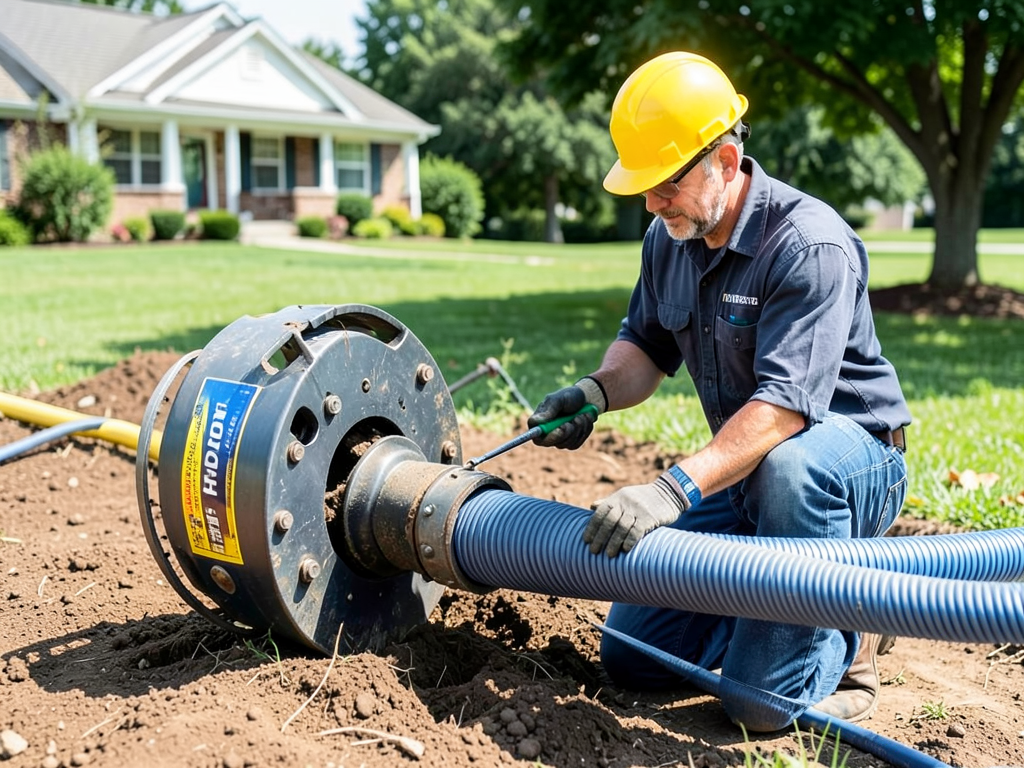
Pipe bursting uses a pneumatic or hydraulic bursting head that breaks apart the old pipe while simultaneously pulling a new high-density polyethylene (HDPE) pipe through the space. The bursting head expands outward, fracturing clay, cast iron, or concrete pipes into the surrounding soil. As it moves forward, it drags the new HDPE pipe behind it. Replacing Old Iron Pipes in Historic Webster Groves Homes.
This method works best when your existing pipe is severely damaged, collapsed, or you want to increase pipe diameter. The new HDPE pipe has a smooth interior that improves flow and resists root intrusion. Ballwin homes built before 1980 often have clay pipes that crack from soil movement, making bursting an ideal replacement method.
The process requires access points at both ends of the damaged section. Technicians dig small pits rather than long trenches, typically 4×4 feet at each end. The bursting operation itself takes 2-4 hours per 50-foot section, depending on soil conditions and pipe material.
HDPE pipes used in bursting have a 50+ year lifespan and resist corrosion that affects older materials. They handle Ballwin’s freeze-thaw cycles better than clay or cast iron because they flex slightly with soil movement rather than cracking.
Cost factors: Pipe bursting typically costs $80-120 per linear foot in the St. Louis area. The price increases with pipe diameter, soil density, and whether rock must be broken through. Most Ballwin homes need 50-100 feet replaced, putting total costs between $4,000-12,000.
What is CIPP Lining?
CIPP (Cured-In-Place Pipe) lining creates a new pipe inside your existing one. Technicians insert a felt liner soaked in epoxy resin through an access point, usually a cleanout or small excavation. They then inflate the liner so it presses against the inside of your old pipe. Hot water or steam circulates through the liner, curing the epoxy into a hard, new pipe. How to Get a Same-Day Water Heater Repair in Sunset Hills.
This method works when your existing pipe is structurally sound but has cracks, minor damage, or root intrusion. The new liner is only 1/8 to 1/4 inch thick, so your pipe diameter decreases slightly. A 6-inch pipe becomes about 5.75 inches after lining.
CIPP lining takes 4-8 hours for most residential jobs. The epoxy resin used meets NSF/ANSI 61 standards for drinking water safety. The process creates minimal mess since no excavation occurs beyond the initial access point. NSF/ANSI 61 drinking water safety standards.
The epoxy liner has a 40-50 year lifespan and resists corrosion and root intrusion. However, it cannot fix pipes with severe structural damage or complete collapses. The slight diameter reduction can affect flow in pipes already near capacity.
Cost factors: CIPP lining costs $60-90 per linear foot in St. Louis. Most Ballwin homes pay $3,000-8,000 for a typical repair. The lower cost reflects less equipment and labor than bursting.
Ballwin-Specific Considerations
Ballwin’s soil contains high clay content that expands when wet and contracts when dry. This movement puts constant pressure on underground pipes, causing cracks and separations at joints. Clay soil also retains moisture longer than sandy soil, increasing freeze-thaw damage in winter.
The Metropolitan Sewer District requires permits for all sewer repairs and inspections before and after work. MSD inspectors verify that new pipes meet minimum slope requirements and that connections to the main sewer line are watertight. They also check for proper cleanouts and access points.
Ballwin homes near the Meramec River valley often have different soil conditions than those on higher ground. River valley soil contains more silt and organic material, which can create acidic conditions that accelerate pipe corrosion. Homes in these areas may need different materials or additional protection.
Many Ballwin neighborhoods developed in the 1960s-1980s used clay pipes with short sections connected by bell-and-spigot joints. These joints are vulnerable to root intrusion and separation. Cast iron pipes from the same era can scale internally, reducing flow even when the pipe appears intact from outside.
Diagnostic tip: Before choosing a repair method, have a camera inspection that records to a USB drive. Look for pipe material, joint conditions, and any offsets or bellies where waste collects. This information determines whether lining or bursting is appropriate.
Cost Comparison Table
| Factor | Pipe Bursting | CIPP Lining |
|---|---|---|
| Cost per linear foot | $80-120 | $60-90 |
| Installation time | 2-4 hours per 50 feet | 4-8 hours total |
| Lifespan | 50+ years | 40-50 years |
| Diameter change | Can increase | Decreases 1/8-1/4 inch |
| Best for | Severe damage, upsizing | Minor damage, intact structure |
When to Choose Each Method
Choose pipe bursting when your pipe has collapsed, has severe structural damage, or you need to increase capacity. This includes situations where roots have completely blocked the pipe, sections have separated and dropped, or you’re adding bathrooms and need larger drain lines. Bursting also works when you want to replace brittle clay or concrete pipes that will likely fail again.
Choose CIPP lining when your pipe is intact but has cracks, minor root intrusion, or scale buildup. This includes situations where the pipe holds its shape but leaks at joints, or where roots have grown through small cracks but haven’t collapsed the pipe. Lining also works when you want to minimize diameter reduction and maintain existing flow capacity.
Decision matrix: If your camera inspection shows pipe material that crumbles when touched, choose bursting. If the pipe feels solid but has visible cracks or roots, choose lining. If you’re unsure, a pressure test can reveal whether the pipe structure is sound enough for lining.
Consider future needs. If you might add square footage or plumbing fixtures, bursting allows upsizing to handle increased flow. Lining locks you into your current capacity since it cannot increase diameter.
The Repair Process Step by Step
Both methods start with locating the problem area using a sewer camera. The camera shows pipe material, damage extent, and any obstacles. For bursting, technicians dig small access pits at each end of the repair zone. They feed the bursting head through the old pipe, breaking it apart while pulling the new HDPE pipe through.
For CIPP lining, technicians clean the existing pipe with high-pressure water jetting to remove roots, scale, and debris. They then measure the pipe and manufacture a liner slightly larger than the pipe diameter. The liner goes through the access point, either by inversion or winch pull. Once in place, they inflate it and circulate hot water or steam to cure the epoxy.
After installation, both methods require pressure testing. Bursting involves visual inspection of connections and testing cleanouts. CIPP lining requires an air pressure test to verify the liner sealed properly against the host pipe. MSD inspectors must approve the work before covering excavations. Professional Gas Line Installation for Your New Outdoor Kitchen in Wildwood.
Landscaping damage is minimal for both methods compared to traditional excavation. Bursting creates two small lawn patches to repair. CIPP lining typically only affects the area around the access point. Most Ballwin homeowners can restore their yards within one growing season. Why Kirkwood Homeowners Keep Calling Us for Stubborn Drain Clogs.
Frequently Asked Questions
How long does each repair method take?
Pipe bursting takes 1-2 days including excavation, bursting, and site restoration. CIPP lining typically completes in one day since it requires only cleaning and lining without excavation.
Will my homeowners insurance cover this?
Most policies cover sudden pipe failures but not gradual deterioration. Check your policy for sewer backup coverage, which may pay for damage caused by failures even if it doesn’t cover the repair itself.
Do I need permits for sewer repairs?
Yes. The Metropolitan Sewer District requires permits for all lateral sewer repairs. Your plumber should pull these permits and schedule inspections. Work without permits can result in fines and require costly rework.
Can I upsize my pipe with CIPP lining?
No. CIPP lining cannot increase pipe diameter. If you need larger capacity, pipe bursting is the only trenchless option that allows upsizing.
How do I know which method I need?
A camera inspection determines the appropriate method. Pipes that crumble or have collapsed sections need bursting. Pipes with intact structure but cracks or roots can use lining.
Making Your Decision
Your choice between pipe bursting and CIPP lining depends on your pipe’s condition, your future needs, and your budget. Ballwin’s clay soil and freeze-thaw cycles make pipe durability crucial. Both methods offer significant advantages over traditional excavation, but they solve different problems.
Start with a professional camera inspection that includes a recorded video you can review. This inspection reveals whether your pipe structure is sound enough for lining or if bursting is necessary. Consider whether you might need more capacity in the future, as bursting allows upsizing while lining does not.
Both methods require MSD permits and inspections. Choose a contractor familiar with local requirements and soil conditions. The right choice prevents repeated repairs and protects your home from sewer backups that can cause thousands in damage.
Don’t wait until your sewer line fails completely. A slow drain or occasional backup often signals bigger problems developing underground. Early diagnosis and repair cost less than emergency service after a total collapse.
Next Steps
Call (314) 417-7677 today to schedule your sewer camera inspection. We’ll show you exactly what’s happening in your pipes and recommend the right repair method for your Ballwin home. Our technicians understand St. Louis soil conditions and MSD requirements, ensuring your repair passes inspection the first time.
Pick up the phone and call (314) 417-7677 before the next heavy rain overwhelms your damaged sewer line. We offer same-week appointments for most Ballwin neighborhoods and provide written estimates with no hidden fees.
Don’t let sewer problems disrupt your home life. Call (314) 417-7677 now to protect your property and restore your peace of mind with the right trenchless repair solution.
You may also find this helpful. Keeping Your Florissant Commercial Kitchen Floor Drains From Clogging Up Every Week.
You may also find this helpful. Solving Frequent Toilet Clogs in Your Older Hazelwood Ranch Home.
{
“@context”: “https://schema.org”,
“@type”: “BlogPosting”,
“headline”: “Pipe Bursting vs CIPP Lining for Sewer Repairs in Your Ballwin Neighborhood”,
“description”: “Compare pipe bursting vs CIPP lining for Ballwin sewer repairs. Learn costs, lifespan, and which method works best for your St. Louis home’s clay soil.”,
“wordCount”: 1773,
“datePublished”: “2026-05-06T13:42:00.000Z”,
“dateModified”: “2026-05-06T13:42:00.000Z”,
“inLanguage”: “en-US”,
“mainEntityOfPage”: {
“@type”: “WebPage”,
“@id”: “https://peakplumbingstlouis.com”
},
“publisher”: {
“@type”: “LocalBusiness”,
“name”: “Peak Plumbing St. Louis”,
“url”: “https://peakplumbingstlouis.com”
},
“author”: {
“@type”: “Organization”,
“name”: “Peak Plumbing St. Louis”,
“url”: “https://peakplumbingstlouis.com”
},
“image”: {
“@type”: “ImageObject”,
“url”: “https://peakplumbingstlouis.com/wp-content/uploads/2026/03/pipe-bursting-vs-cipp-lining-for-sewer-repairs-in-1.png”
}
}
{
“@context”: “https://schema.org”,
“@type”: “Plumber”,
“name”: “Peak Plumbing St. Louis”,
“url”: “https://peakplumbingstlouis.com”,
“address”: {
“@type”: “PostalAddress”,
“addressLocality”: “St. Louis”
},
“areaServed”: {
“@type”: “City”,
“name”: “St. Louis”
}
}
{
“@context”: “https://schema.org”,
“@type”: “FAQPage”,
“mainEntity”: [
{
“@type”: “Question”,
“name”: “What is Pipe Bursting?”,
“acceptedAnswer”: {
“@type”: “Answer”,
“text”: “Pipe bursting uses a pneumatic or hydraulic bursting head that breaks apart the old pipe while simultaneously pulling a new high-density polyethylene (HDPE) pipe through the space. The bursting head expands outward, fracturing clay, cast iron, or concrete pipes into the surrounding soil. As it moves forward, it drags the new HDPE pipe behind it. Replacing Old Iron Pipes in Historic Webster Groves Homes.”
}
},
{
“@type”: “Question”,
“name”: “What is CIPP Lining?”,
“acceptedAnswer”: {
“@type”: “Answer”,
“text”: “CIPP (Cured-In-Place Pipe) lining creates a new pipe inside your existing one. Technicians insert a felt liner soaked in epoxy resin through an access point, usually a cleanout or small excavation. They then inflate the liner so it presses against the inside of your old pipe. Hot water or steam circulates through the liner, curing the epoxy into a hard, new pipe. How to Get a Same-Day Water Heater Repair in Sunset Hills.”
}
},
{
“@type”: “Question”,
“name”: “How long does each repair method take?”,
“acceptedAnswer”: {
“@type”: “Answer”,
“text”: “Pipe bursting takes 1-2 days including excavation, bursting, and site restoration. CIPP lining typically completes in one day since it requires only cleaning and lining without excavation.”
}
},
{
“@type”: “Question”,
“name”: “Will my homeowners insurance cover this?”,
“acceptedAnswer”: {
“@type”: “Answer”,
“text”: “Most policies cover sudden pipe failures but not gradual deterioration. Check your policy for sewer backup coverage, which may pay for damage caused by failures even if it doesn’t cover the repair itself.”
}
},
{
“@type”: “Question”,
“name”: “Do I need permits for sewer repairs?”,
“acceptedAnswer”: {
“@type”: “Answer”,
“text”: “Yes. The Metropolitan Sewer District requires permits for all lateral sewer repairs. Your plumber should pull these permits and schedule inspections. Work without permits can result in fines and require costly rework.”
}
},
{
“@type”: “Question”,
“name”: “Can I upsize my pipe with CIPP lining?”,
“acceptedAnswer”: {
“@type”: “Answer”,
“text”: “No. CIPP lining cannot increase pipe diameter. If you need larger capacity, pipe bursting is the only trenchless option that allows upsizing.”
}
},
{
“@type”: “Question”,
“name”: “How do I know which method I need?”,
“acceptedAnswer”: {
“@type”: “Answer”,
“text”: “A camera inspection determines the appropriate method. Pipes that crumble or have collapsed sections need bursting. Pipes with intact structure but cracks or roots can use lining.”
}
}
]
}
{
“@context”: “https://schema.org”,
“@type”: “BreadcrumbList”,
“itemListElement”: [
{
“@type”: “ListItem”,
“position”: 1,
“name”: “Home”,
“item”: “https://peakplumbingstlouis.com”
},
{
“@type”: “ListItem”,
“position”: 2,
“name”: “Blog”,
“item”: “https://peakplumbingstlouis.com/blog”
},
{
“@type”: “ListItem”,
“position”: 3,
“name”: “Pipe Bursting vs CIPP Lining for Sewer Repairs in Your Ballwin Neighborhood”
}
]
}
{
“@context”: “https://schema.org”,
“@type”: “Service”,
“serviceType”: “Plumbing”,
“provider”: {
“@type”: “LocalBusiness”,
“name”: “Peak Plumbing St. Louis”,
“url”: “https://peakplumbingstlouis.com”
},
“areaServed”: {
“@type”: “City”,
“name”: “St. Louis”
},
“description”: “Compare pipe bursting vs CIPP lining for Ballwin sewer repairs. Learn costs, lifespan, and which method works best for your St. Louis home’s clay soil.”
}