
Reverse Osmosis vs Carbon Filtration for Better Tasting Water in Your Fenton Home
Your tap water in Fenton might look clear but could contain chlorine taste, lead from old pipes, or even PFAS chemicals. You want better tasting water but need to know which system actually removes the contaminants you care about. This guide breaks down the real differences between reverse osmosis and carbon filtration so you can make the right choice for your home. Replacing Old Iron Pipes in Historic Webster Groves Homes.
How Reverse Osmosis Works in Fenton Homes
Reverse osmosis pushes water through a semi-permeable membrane that blocks particles larger than 0.0001 microns. This multi-stage process typically includes a sediment pre-filter, the RO membrane itself, and a carbon post-filter. The membrane catches dissolved solids like lead, arsenic, and fluoride while the carbon filter polishes the taste. How to Get a Same-Day Water Heater Repair in Sunset Hills.
Key Advantage: Removes up to 99% of total dissolved solids including lead, nitrates, and many PFAS compounds.
How Carbon Filtration Works for Fenton Water
Carbon filters use activated carbon blocks or granular activated carbon to trap contaminants through adsorption. Water passes through millions of tiny pores where chemicals like chlorine and volatile organic compounds stick to the carbon surface. Catalytic carbon handles chloramines better than standard carbon.. Read more about Comparing Salt Based Water Softeners and Salt Free Descalers for Your Sunset Hills Home.
Key Advantage: Excellent at removing chlorine taste and odor without wasting water.
Contaminant Removal Comparison Table
| Contaminant | Reverse Osmosis | Carbon Filter |
|---|---|---|
| Lead | 95-99% removal | 60-80% removal |
| Chlorine | 95-98% removal | 90-99% removal |
| PFAS | 90-95% removal | 30-50% removal |
| Nitrates | 85-95% removal | 0% removal |
| Total Dissolved Solids | 95-99% removal | 0% removal |
Fenton Water Quality: What’s Actually in Your Tap
The Missouri American Water Fenton system draws from groundwater wells and surface water sources. Recent water quality reports show hardness levels between 7-12 grains per gallon and detectable levels of chlorine for disinfection. Older homes near Fenton’s historic districts may have lead service lines. Missouri American Water Quality Reports.
EPA regulations require testing for over 90 contaminants but many homeowners worry about emerging contaminants like PFAS that aren’t yet regulated. EPA National Primary Drinking Water Regulations.
Water Waste and Efficiency Comparison
Reverse osmosis systems typically waste 3-4 gallons of water for every gallon of purified water produced. This concentrate water goes down the drain carrying rejected contaminants. Carbon filters waste no water during normal operation.
Water Cost Impact: If your RO system produces 50 gallons monthly, that’s 150-200 gallons of waste water at Fenton’s current rates.
Maintenance Requirements and Long-Term Costs
Carbon filters need replacement every 6-12 months depending on usage and water quality. RO systems require more frequent maintenance: pre-filters every 6 months, post-filters annually, and the membrane every 2-3 years.
Annual maintenance costs typically run $100-200 for carbon systems versus $150-300 for RO systems when you factor in membrane replacement.
Installation Space and Plumbing Requirements
Carbon filters install under the sink or at the point of entry with minimal space requirements. RO systems need more room for the storage tank and multiple filter housings. Both require a dedicated faucet for drinking water.
Older Fenton homes with limited under-sink space may need creative installation solutions to accommodate RO components. Professional Gas Line Installation for Your New Outdoor Kitchen in Wildwood.
Which System Works Best for Fenton’s Water Profile
If your main concern is chlorine taste and odor, carbon filtration provides excellent results at lower cost and no water waste. For lead removal, nitrate reduction, or concerns about PFAS, reverse osmosis offers superior protection.
Many Fenton homeowners choose point-of-use carbon filters for general use and reserve RO for drinking and cooking water only. Why Kirkwood Homeowners Keep Calling Us for Stubborn Drain Clogs.
Decision Matrix: Choosing Between RO and Carbon
| Priority | Choose Carbon If | Choose RO If |
|---|---|---|
| Budget | Initial cost under $300 | Budget allows $500+ |
| Water Conservation | Prefer no water waste | Water waste acceptable |
| Contaminant Concerns | Only chlorine taste | Lead, nitrates, or PFAS |
| Space Available | Limited under-sink space | Ample cabinet space |
Professional Installation Considerations
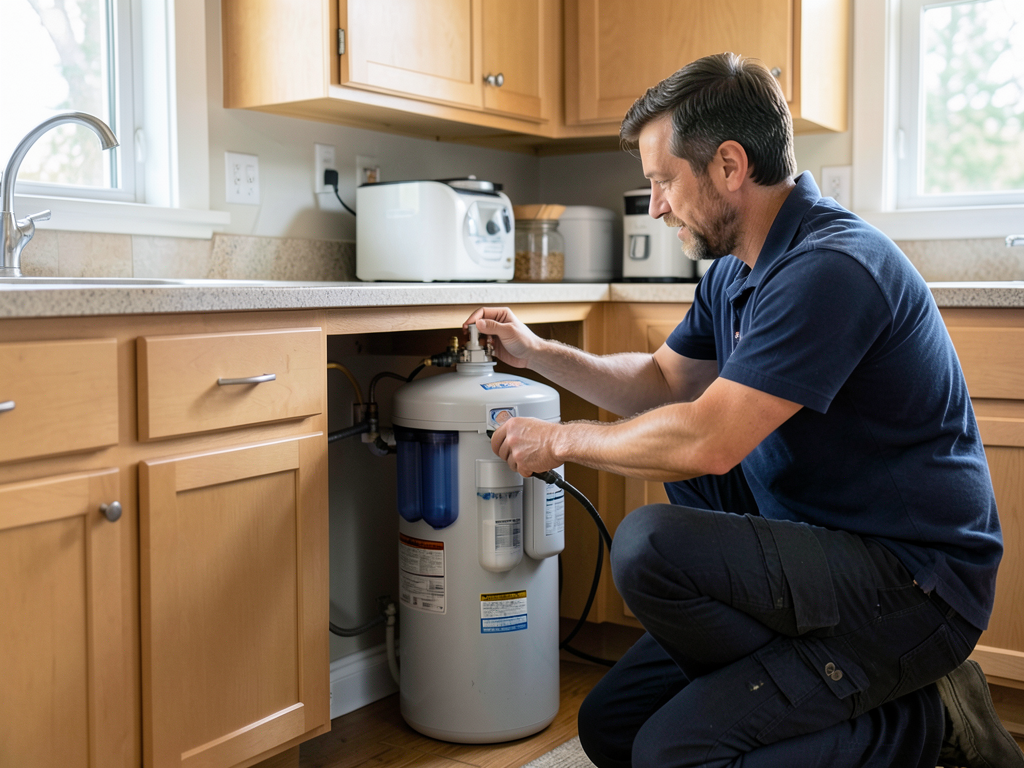
Both systems require proper installation to function correctly. Carbon filters need secure mounting and proper cartridge seating. RO systems require drain connection for waste water and pressure testing to prevent leaks.
Professional installation ensures compliance with local plumbing codes and prevents costly water damage from improper connections. Plumbing Florissant.
Testing Your Fenton Water Quality First
Before choosing any filtration system, test your water to identify specific contaminants. Many Fenton homeowners are surprised to learn their water contains more than just chlorine.
Professional water testing costs $100-200 but provides peace of mind and helps you select the right system for your actual water quality issues.
Frequently Asked Questions
Do reverse osmosis systems remove healthy minerals from water?
Yes, RO systems remove beneficial minerals like calcium and magnesium along with contaminants. Some systems include remineralization filters to add minerals back after purification.
How long do carbon filters last in Fenton’s water?
Most carbon filters in Fenton need replacement every 6-12 months. Homes with higher chlorine levels or more sediment may need more frequent changes.
Can I install these systems myself?
While DIY installation is possible, professional installation ensures proper function, prevents leaks, and maintains warranty coverage. Most manufacturers require professional installation for warranty claims.
What’s the difference between activated carbon and catalytic carbon?
Catalytic carbon handles chloramines better than standard activated carbon. Fenton water systems may use chloramines instead of chlorine, making catalytic carbon a better choice for some homes.
Call (314) 417-7677 for Your Free Water Quality Test
Don’t guess about your water quality. Our team tests Fenton homes daily and can identify exactly what’s in your tap water. We’ll recommend the right filtration system based on your specific concerns and budget.
Call (314) 417-7677 today to schedule your free water quality test. Our Fenton plumbing experts will test your water on-site and provide a no-obligation recommendation for the best filtration solution for your home.
Ready to Improve Your Water Quality?
Better tasting water is just a phone call away. Whether you need simple chlorine removal or complete lead protection, we have the right system for your Fenton home. Call (314) 417-7677 now to speak with a water quality specialist.
You may also find this helpful. Are Touchless Kitchen Faucets Worth the Upgrade for Your Clayton Condo?.
{
“@context”: “https://schema.org”,
“@type”: “BlogPosting”,
“headline”: “Reverse Osmosis vs Carbon Filtration for Better Tasting Water in Your Fenton Home”,
“description”: “Discover which water filtration system removes contaminants best in Fenton. Compare RO vs carbon filters for lead, PFAS, and taste. Get a free water test today.”,
“wordCount”: 1023,
“datePublished”: “2026-05-10T14:06:00.000Z”,
“dateModified”: “2026-05-10T14:06:00.000Z”,
“inLanguage”: “en-US”,
“mainEntityOfPage”: {
“@type”: “WebPage”,
“@id”: “https://peakplumbingstlouis.com”
},
“publisher”: {
“@type”: “LocalBusiness”,
“name”: “Peak Plumbing St. Louis”,
“url”: “https://peakplumbingstlouis.com”
},
“author”: {
“@type”: “Organization”,
“name”: “Peak Plumbing St. Louis”,
“url”: “https://peakplumbingstlouis.com”
},
“image”: {
“@type”: “ImageObject”,
“url”: “https://peakplumbingstlouis.com/wp-content/uploads/2026/03/reverse-osmosis-vs-carbon-filtration-for-better-ta-1.png”
}
}
{
“@context”: “https://schema.org”,
“@type”: “Plumber”,
“name”: “Peak Plumbing St. Louis”,
“url”: “https://peakplumbingstlouis.com”,
“address”: {
“@type”: “PostalAddress”,
“addressLocality”: “St. Louis”
},
“areaServed”: {
“@type”: “City”,
“name”: “St. Louis”
}
}
{
“@context”: “https://schema.org”,
“@type”: “FAQPage”,
“mainEntity”: [
{
“@type”: “Question”,
“name”: “Do reverse osmosis systems remove healthy minerals from water?”,
“acceptedAnswer”: {
“@type”: “Answer”,
“text”: “Yes, RO systems remove beneficial minerals like calcium and magnesium along with contaminants. Some systems include remineralization filters to add minerals back after purification.”
}
},
{
“@type”: “Question”,
“name”: “How long do carbon filters last in Fenton’s water?”,
“acceptedAnswer”: {
“@type”: “Answer”,
“text”: “Most carbon filters in Fenton need replacement every 6-12 months. Homes with higher chlorine levels or more sediment may need more frequent changes.”
}
},
{
“@type”: “Question”,
“name”: “Can I install these systems myself?”,
“acceptedAnswer”: {
“@type”: “Answer”,
“text”: “While DIY installation is possible, professional installation ensures proper function, prevents leaks, and maintains warranty coverage. Most manufacturers require professional installation for warranty claims.”
}
},
{
“@type”: “Question”,
“name”: “What’s the difference between activated carbon and catalytic carbon?”,
“acceptedAnswer”: {
“@type”: “Answer”,
“text”: “Catalytic carbon handles chloramines better than standard activated carbon. Fenton water systems may use chloramines instead of chlorine, making catalytic carbon a better choice for some homes.”
}
},
{
“@type”: “Question”,
“name”: “Ready to Improve Your Water Quality?”,
“acceptedAnswer”: {
“@type”: “Answer”,
“text”: “Better tasting water is just a phone call away. Whether you need simple chlorine removal or complete lead protection, we have the right system for your Fenton home. Call (314) 417-7677 now to speak with a water quality specialist.”
}
}
]
}
{
“@context”: “https://schema.org”,
“@type”: “BreadcrumbList”,
“itemListElement”: [
{
“@type”: “ListItem”,
“position”: 1,
“name”: “Home”,
“item”: “https://peakplumbingstlouis.com”
},
{
“@type”: “ListItem”,
“position”: 2,
“name”: “Blog”,
“item”: “https://peakplumbingstlouis.com/blog”
},
{
“@type”: “ListItem”,
“position”: 3,
“name”: “Reverse Osmosis vs Carbon Filtration for Better Tasting Water in Your Fenton Home”
}
]
}
{
“@context”: “https://schema.org”,
“@type”: “Service”,
“serviceType”: “Plumbing”,
“provider”: {
“@type”: “LocalBusiness”,
“name”: “Peak Plumbing St. Louis”,
“url”: “https://peakplumbingstlouis.com”
},
“areaServed”: {
“@type”: “City”,
“name”: “St. Louis”
},
“description”: “Discover which water filtration system removes contaminants best in Fenton. Compare RO vs carbon filters for lead, PFAS, and taste. Get a free water test today.”
}