
Splitting Water Lines for Multi Family Units in Marine Villa (A Landlord’s Guide)
Landlords in Marine Villa face a unique challenge when managing duplexes and multi-family properties. The neighborhood’s historic brick homes built in the early 1900s often share a single water meter between units. This arrangement forces landlords to either absorb the water costs or attempt to divide them fairly without actual usage data. The solution is straightforward but requires navigating St. Louis Water Division regulations and local building codes. St. Louis Water Division.
Splitting water lines means installing separate meters so each tenant pays for their actual water consumption. This protects your investment by eliminating disputes over utility costs and can significantly improve your property’s cash flow. The process involves more than just adding a meter though. It requires proper permits, potential excavation work, and compliance with both St. Louis City and Missouri American Water requirements depending on your property’s location. Missouri Plumbing Code.
Marine Villa’s aging infrastructure presents specific challenges. Many homes still use original copper service lines that have corroded over decades. Others have galvanized pipes that restrict flow and increase the risk of leaks. Before beginning any separation project, a thorough inspection determines whether the existing lines can handle the new configuration or if complete replacement is necessary. Replacing Old Iron Pipes in Historic Webster Groves Homes.
Understanding Marine Villa’s Water Infrastructure
Marine Villa sits within St. Louis City boundaries, which means properties fall under the St. Louis Water Division jurisdiction. The neighborhood’s proximity to the Mississippi River historically made it a working-class area with modest homes built between 1890 and 1930. These structures typically feature shared basements where main water lines enter from the street. How to Stop Your Ballwin Basement From Flooding During Heavy Spring Rains.
The area’s soil composition affects installation work. Marine Villa sits on dense clay soil that becomes extremely hard when dry and turns to mud during wet seasons. This soil type makes excavation more labor-intensive and can complicate trenching for new water lines. Additionally, the neighborhood’s mature tree canopy means large root systems often interfere with underground utilities. Professional Gas Line Installation for Your New Outdoor Kitchen in Wildwood.
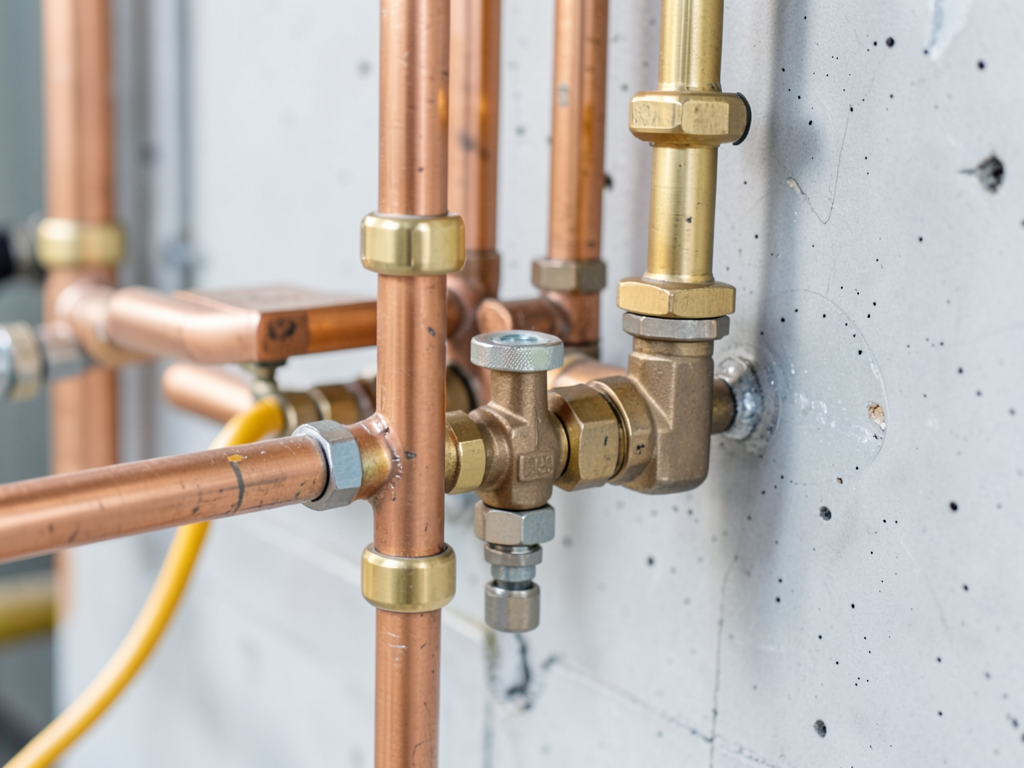
Most Marine Villa duplexes use a common water service where a single 3/4-inch or 1-inch copper line feeds both units through a manifold or series connection. This setup worked fine when water costs were minimal, but modern conservation fixtures and rising utility rates make individual metering more attractive to both landlords and tenants. How to Get a Same-Day Water Heater Repair in Sunset Hills.
The Legal Framework for Water Line Separation
Missouri law allows landlords to charge tenants for water usage, but only if certain conditions are met. The property must have either separate meters or submeters installed. Landlords cannot simply divide the total bill by the number of units. This regulation protects tenants from unfair billing practices while giving property owners the tools to recover utility costs.
The St. Louis Water Division requires specific permits for any work that alters the main water service. A Plumbing Permit Application must be filed through the Building Division, and all work must be performed by a licensed Master Plumber. The division also mandates backflow prevention devices on all new or modified service lines to protect the municipal water supply from contamination. Plumbing Florissant.
For Marine Villa properties, the permit process typically takes 5-7 business days once the application is complete. The city requires detailed plans showing the proposed meter locations, pipe routing, and any necessary shut-off valves. Inspections occur at multiple stages: after trenching, after pipe installation, and after final connections.. Read more about How to Pass a Municipal Plumbing Inspection in University City or Clayton.
Step-by-Step Water Line Separation Process
The first step involves a comprehensive site assessment. A licensed plumber examines the existing service line size, material, and condition. They also evaluate the basement layout to determine optimal meter locations that minimize disruption to tenants. This inspection typically costs $150-250 and provides the information needed for accurate permit applications.
Next comes permit acquisition. The plumber submits plans to the St. Louis Building Division, including pipe sizing calculations and backflow prevention device specifications. The city reviews these for code compliance and issues permits within a week for standard residential projects. Rush permits are available for an additional fee if time is critical.
Excavation work follows permit approval. For Marine Villa’s clay soil, this often requires heavy equipment or specialized digging tools. The trench must be deep enough to protect pipes from freeze damage, typically 36-42 inches below grade. All excavated material is removed from the site to prevent soil compaction issues later.
Pipe installation uses Type K copper for underground service lines, which offers superior corrosion resistance compared to Type M copper. The plumber installs new shut-off valves at both the main tap and each unit’s meter location. Backflow preventers go on the main line before any branch connections to meet St. Louis Water Division requirements.
Finally, the plumber coordinates with the water division for meter installation. City technicians set the meters and test the system for leaks. A final inspection by the Building Division ensures all work meets code requirements before the system goes live.
Cost Factors and ROI Analysis
Several variables affect the total cost of water line separation in Marine Villa. The distance from the main water tap to the property entrance significantly impacts excavation costs. Properties on streets with wide setbacks or those requiring sidewalk crossing see higher labor charges due to increased trench length.
Soil conditions also drive costs. Marine Villa’s clay soil requires more time and equipment for excavation compared to sandy or loamy soils. Tree roots often complicate trenching, sometimes requiring root pruning or alternative routing that increases material needs.
The existing pipe material influences whether simple separation or complete replacement is more cost-effective. Galvanized steel pipes from the 1920s-1940s typically need full replacement due to internal corrosion and restricted flow. Copper lines from the 1950s-1970s may only need separation if they’re in good condition.
Permit fees vary based on project scope. A basic separation permit costs approximately $75-125, while projects requiring structural modifications or fire sprinkler coordination can exceed $300. The water division charges separate fees for meter installation, typically $50-75 per meter.
ROI calculations show most landlords recover their investment within 12-24 months through recovered utility costs. A typical Marine Villa duplex with two units might save $800-1,200 annually when tenants pay their own water bills. The exact payback period depends on current water usage patterns and local rates.
Common Challenges in Historic Properties
Marine Villa’s historic homes present unique obstacles during water line separation. Many properties have mixed plumbing materials, with copper service lines connecting to galvanized steel branch lines. This creates electrolysis points where dissimilar metals corrode, requiring complete system replacement rather than simple separation.
Basement layouts in older homes often lack the space for modern meter installations. Original construction placed water lines in inconvenient locations, sometimes requiring creative solutions like wall-mounted meter pits or exterior installations that maintain the home’s historic character.. Read more about Protecting Your Mount Pleasant Home From Corrosive Riverfront Soil.
Some Marine Villa properties have shared water heaters or boiler systems that complicate separation. These interconnected systems require careful planning to maintain functionality while achieving the desired metering separation. In some cases, separate water heaters become necessary, adding to the project scope.. Read more about Managing Shared Sewer Lines in Historic Gravois Park Multi Family Buildings.
Lead service lines, though less common in Marine Villa than in some older neighborhoods, occasionally appear in homes built before 1940. These require full replacement under current EPA regulations, significantly increasing project costs but also improving water quality and property value.
Choosing the Right Plumbing Contractor
Selecting a contractor familiar with St. Louis’s specific requirements proves crucial for successful water line separation. The plumber must hold a valid Missouri Master Plumber license and carry proper insurance coverage. Experience with St. Louis Water Division procedures ensures permits are filed correctly and inspections proceed smoothly.
Local knowledge matters significantly. A contractor who regularly works in Marine Villa understands the neighborhood’s soil conditions, typical house layouts, and common plumbing configurations. This experience translates to more accurate estimates and fewer surprises during construction.
Ask potential contractors about their experience with multi-family metering projects specifically. Water line separation for duplexes requires different expertise than standard residential plumbing. The contractor should explain the entire process, including permit timelines, inspection requirements, and potential complications.
Request references from other Marine Villa landlords who have completed similar projects. Speaking with previous clients provides insight into the contractor’s communication style, adherence to schedules, and ability to handle unexpected issues that arise during historic home renovations.
Maintaining Your New System
After installation, regular maintenance ensures your separated water system functions properly for decades. Annual inspections check for leaks, corrosion, and meter accuracy. These inspections typically cost $75-150 and can identify small problems before they become expensive repairs.
Backflow prevention devices require annual testing by a certified tester. St. Louis Water Division regulations mandate this testing to maintain system compliance. The test costs approximately $75-100 per device and provides documentation for your records.
Water meters themselves need periodic replacement, usually every 10-15 years depending on usage patterns. The water division notifies property owners when meters reach the end of their service life. Planning for this expense prevents unexpected water service interruptions.
Educate your tenants about the new system. Provide information about locating shut-off valves, recognizing potential leaks, and what to do if they notice water pressure changes. Clear communication prevents minor issues from escalating into major problems.
Financial Considerations Beyond Installation
Separating water lines affects more than just your monthly utility costs. Properties with individual metering often command higher rents because tenants appreciate paying only for their actual usage. This feature can differentiate your rental in a competitive market like Marine Villa.
Insurance companies may view separated water systems more favorably than shared systems. Some policies offer discounts for properties with updated plumbing infrastructure, though this varies by insurer. Check with your insurance provider about potential premium reductions.
Property appraisals typically increase when major systems like plumbing are updated. While the exact value addition varies, modernized utility infrastructure contributes to overall property condition assessments used in valuation calculations.
Consider the tax implications of your investment. Plumbing improvements generally qualify as capital expenditures rather than repairs, allowing for depreciation deductions over time. Consult with a tax professional about specific benefits for your situation.
Frequently Asked Questions
How long does water line separation typically take?
Most Marine Villa projects complete within 3-5 days once permits are approved. This includes excavation, pipe installation, meter setup, and final inspections. Weather delays can extend timelines, particularly during wet seasons when clay soil becomes difficult to work with.
Can I keep the existing pipes and just add new meters?
This depends on the pipe condition and material. Copper lines in good condition may support separation without replacement. Galvanized steel or severely corroded copper typically requires full replacement to ensure reliable service and code compliance.
What happens if I proceed without permits?
Unpermitted work violates St. Louis building codes and can result in fines, required removal of work, and difficulties selling the property later. Insurance may also deny claims related to unpermitted modifications. Always obtain proper permits before beginning any utility separation project.
Will tenants notice a difference in water pressure?
Properly designed separation should maintain or improve water pressure. Older shared systems often experience pressure drops when multiple fixtures operate simultaneously. Individual metering with correctly sized pipes typically provides more consistent pressure for each unit.
How do I handle billing for tenants?
Many landlords include water costs in the rent and let tenants pay the landlord directly. Others use third-party billing services that read meters monthly and generate individual bills. Choose the method that works best for your management style and tenant relationships.
- Initial Property Assessment
Schedule a licensed plumber to inspect your existing water service, evaluate pipe condition, and assess basement layout for optimal meter placement.
- Permit Acquisition
Submit detailed plans to the St. Louis Building Division, including pipe routing diagrams and backflow prevention specifications. Wait for permit approval before proceeding.
- Excavation and Installation
Dig trenches to proper depth, install new copper service lines with shut-off valves, and position backflow preventers according to code requirements.
- Meter Installation and Testing
Coordinate with St. Louis Water Division for meter installation, test the entire system for leaks, and schedule final inspections.

Call (314) 417-7677 today to schedule your inspection. Our team understands Marine Villa’s unique plumbing challenges and can guide you through the entire water line separation process. Don’t wait until the next tenant dispute over water bills – take control of your property’s utility costs now.
Pick up the phone and call (314) 417-7677 before the next storm hits. Our licensed Master Plumbers are ready to help you navigate St. Louis Water Division requirements and protect your investment with properly separated water service lines.
You may also find this helpful. Why Your Forest Park Southeast Condo Needs a Water Pressure Regulator.
{
“@context”: “https://schema.org”,
“@type”: “BlogPosting”,
“headline”: “Splitting Water Lines for Multi Family Units in Marine Villa (A Landlord’s Guide)”,
“description”: “Learn how to legally split water lines in Marine Villa duplexes. Get permits, understand St. Louis codes, and save on tenant utility costs with expert guidance.”,
“wordCount”: 2123,
“datePublished”: “2026-05-21T12:15:00.000Z”,
“dateModified”: “2026-05-21T12:15:00.000Z”,
“inLanguage”: “en-US”,
“mainEntityOfPage”: {
“@type”: “WebPage”,
“@id”: “https://peakplumbingstlouis.com”
},
“publisher”: {
“@type”: “LocalBusiness”,
“name”: “Peak Plumbing St. Louis”,
“url”: “https://peakplumbingstlouis.com”
},
“author”: {
“@type”: “Organization”,
“name”: “Peak Plumbing St. Louis”,
“url”: “https://peakplumbingstlouis.com”
},
“image”: {
“@type”: “ImageObject”,
“url”: “https://peakplumbingstlouis.com/wp-content/uploads/2026/03/splitting-water-lines-for-multi-family-units-in-ma-1.png”
}
}
{
“@context”: “https://schema.org”,
“@type”: “Plumber”,
“name”: “Peak Plumbing St. Louis”,
“url”: “https://peakplumbingstlouis.com”,
“address”: {
“@type”: “PostalAddress”,
“addressLocality”: “St. Louis”
},
“areaServed”: {
“@type”: “City”,
“name”: “St. Louis”
}
}
{
“@context”: “https://schema.org”,
“@type”: “FAQPage”,
“mainEntity”: [
{
“@type”: “Question”,
“name”: “How long does water line separation typically take?”,
“acceptedAnswer”: {
“@type”: “Answer”,
“text”: “Most Marine Villa projects complete within 3-5 days once permits are approved. This includes excavation, pipe installation, meter setup, and final inspections. Weather delays can extend timelines, particularly during wet seasons when clay soil becomes difficult to work with.”
}
},
{
“@type”: “Question”,
“name”: “Can I keep the existing pipes and just add new meters?”,
“acceptedAnswer”: {
“@type”: “Answer”,
“text”: “This depends on the pipe condition and material. Copper lines in good condition may support separation without replacement. Galvanized steel or severely corroded copper typically requires full replacement to ensure reliable service and code compliance.”
}
},
{
“@type”: “Question”,
“name”: “What happens if I proceed without permits?”,
“acceptedAnswer”: {
“@type”: “Answer”,
“text”: “Unpermitted work violates St. Louis building codes and can result in fines, required removal of work, and difficulties selling the property later. Insurance may also deny claims related to unpermitted modifications. Always obtain proper permits before beginning any utility separation project.”
}
},
{
“@type”: “Question”,
“name”: “Will tenants notice a difference in water pressure?”,
“acceptedAnswer”: {
“@type”: “Answer”,
“text”: “Properly designed separation should maintain or improve water pressure. Older shared systems often experience pressure drops when multiple fixtures operate simultaneously. Individual metering with correctly sized pipes typically provides more consistent pressure for each unit.”
}
},
{
“@type”: “Question”,
“name”: “How do I handle billing for tenants?”,
“acceptedAnswer”: {
“@type”: “Answer”,
“text”: “Many landlords include water costs in the rent and let tenants pay the landlord directly. Others use third-party billing services that read meters monthly and generate individual bills. Choose the method that works best for your management style and tenant relationships.”
}
}
]
}
{
“@context”: “https://schema.org”,
“@type”: “HowTo”,
“name”: “How to Split Water Lines in Marine Villa”,
“step”: [
{
“@type”: “HowToStep”,
“position”: 1,
“name”: “Initial Property Assessment”,
“text”: “Schedule a licensed plumber to inspect your existing water service, evaluate pipe condition, and assess basement layout for optimal meter placement.”
},
{
“@type”: “HowToStep”,
“position”: 2,
“name”: “Permit Acquisition”,
“text”: “Submit detailed plans to the St. Louis Building Division, including pipe routing diagrams and backflow prevention specifications. Wait for permit approval before proceeding.”
},
{
“@type”: “HowToStep”,
“position”: 3,
“name”: “Excavation and Installation”,
“text”: “Dig trenches to proper depth, install new copper service lines with shut-off valves, and position backflow preventers according to code requirements.”
},
{
“@type”: “HowToStep”,
“position”: 4,
“name”: “Meter Installation and Testing”,
“text”: “Coordinate with St. Louis Water Division for meter installation, test the entire system for leaks, and schedule final inspections.”
}
],
“image”: “https://peakplumbingstlouis.com/wp-content/uploads/2026/03/splitting-water-lines-for-multi-family-units-in-ma-1.png”
}
{
“@context”: “https://schema.org”,
“@type”: “BreadcrumbList”,
“itemListElement”: [
{
“@type”: “ListItem”,
“position”: 1,
“name”: “Home”,
“item”: “https://peakplumbingstlouis.com”
},
{
“@type”: “ListItem”,
“position”: 2,
“name”: “Blog”,
“item”: “https://peakplumbingstlouis.com/blog”
},
{
“@type”: “ListItem”,
“position”: 3,
“name”: “Splitting Water Lines for Multi Family Units in Marine Villa (A Landlord’s Guide)”
}
]
}
{
“@context”: “https://schema.org”,
“@type”: “Service”,
“serviceType”: “Plumbing”,
“provider”: {
“@type”: “LocalBusiness”,
“name”: “Peak Plumbing St. Louis”,
“url”: “https://peakplumbingstlouis.com”
},
“areaServed”: {
“@type”: “City”,
“name”: “St. Louis”
},
“description”: “Learn how to legally split water lines in Marine Villa duplexes. Get permits, understand St. Louis codes, and save on tenant utility costs with expert guidance.”
}