
Why Regular Grease Trap Cleaning is Essential for Restaurants on the Delmar Loop
Restaurants on the Delmar Loop face unique plumbing challenges that can shut down your kitchen overnight. Grease trap cleaning prevents FOG (Fats, Oils, and Grease) from clogging your pipes and causing health code violations. Without regular maintenance, you risk expensive emergency repairs, city fines, and even temporary closure. Replacing Old Iron Pipes in Historic Webster Groves Homes.
The Delmar Loop’s historic infrastructure combined with high-volume commercial kitchens creates a perfect storm for grease-related plumbing failures. St. Louis Metropolitan Sewer District (MSD) Ordinance 12513 requires restaurants to maintain grease interceptors and keep detailed manifests. Missing these requirements can result in penalties up to $500 per day. St. Louis MSD FOG Program.
Regular grease trap cleaning keeps your restaurant running smoothly while protecting St. Louis’s aging sewer system from costly damage. Professional cleaning services remove accumulated grease before it causes backups, eliminate foul odors, and ensure you pass every health inspection with flying colors. Professional Gas Line Installation for Your New Outdoor Kitchen in Wildwood.
How Grease Trap Systems Work on the Delmar Loop
Commercial kitchens on the Delmar Loop typically use either indoor grease traps or outdoor grease interceptors. Indoor units handle 20-50 gallons and sit beneath sinks, while outdoor interceptors manage 500-2,000 gallons and bury underground. Both systems slow wastewater flow, allowing grease to float and solids to settle before water exits to the sewer. How to Get a Same-Day Water Heater Repair in Sunset Hills.
The Delmar Loop’s mixed-use buildings often present unique challenges. Many structures date back to the 1960s and 1970s, with plumbing systems not designed for today’s high-volume food service demands. Older pipes have smaller diameters and rougher interiors, making them more susceptible to grease buildup and blockages. Plumbing Florissant.
Professional grease trap cleaning involves pumping out all contents, scraping tank walls, and inspecting inlet and outlet baffles. Technicians also check for damaged seals, corrosion, and proper baffle positioning. This thorough process prevents the gradual accumulation that leads to emergency situations.
Call (314) 417-7677 today to schedule your grease trap inspection before your next health inspection.
St. Louis MSD Compliance Requirements for Delmar Loop Restaurants
St. Louis Metropolitan Sewer District Ordinance 12513 mandates specific FOG management practices for restaurants. Every establishment must install approved grease control devices, maintain them regularly, and keep manifests documenting all cleaning activities for at least three years. Health inspectors review these records during routine visits.
The ordinance requires grease trap cleaning when interceptors reach 25% capacity of accumulated grease and solids. For most Delmar Loop restaurants, this means monthly cleaning during peak seasons and bi-monthly service during slower periods. Restaurants serving fried foods or BBQ may need weekly service due to higher grease volumes.
MSD also mandates proper waste disposal through licensed haulers who provide manifests showing where grease waste goes. Missouri Department of Natural Resources regulates disposal sites, ensuring environmentally responsible processing. Restaurants cannot dump grease trap contents into storm drains, dumpsters, or onto the ground. Missouri Department of Natural Resources.
Violations trigger escalating penalties. First offenses bring warnings and mandatory corrective action plans. Repeat violations result in daily fines, and egregious cases can lead to water service termination until compliance is achieved.
Warning Signs Your Grease Trap Needs Immediate Attention
Strange odors wafting from floor drains signal grease trap problems. As grease accumulates, anaerobic bacteria produce hydrogen sulfide gas, creating that characteristic rotten egg smell. This odor indicates your trap is overdue for cleaning and may already be affecting food safety.
Slow-draining sinks during peak kitchen hours suggest your grease trap is reaching capacity. When interceptors fill with grease, wastewater backs up through the system, causing sinks to drain slowly or not at all. This creates dangerous standing water around food preparation areas.
Gurgling sounds from floor drains when other fixtures drain indicate trapped air in the plumbing system. This occurs when grease blocks proper venting, creating pressure imbalances that force air through P-traps. These sounds often precede complete blockages. Plumbing Clayton.
Overflowing outdoor grease interceptors create visible grease slicks around drain covers. This emergency situation requires immediate professional intervention to prevent environmental contamination and health code violations. Standing grease attracts pests and creates slip hazards for kitchen staff.
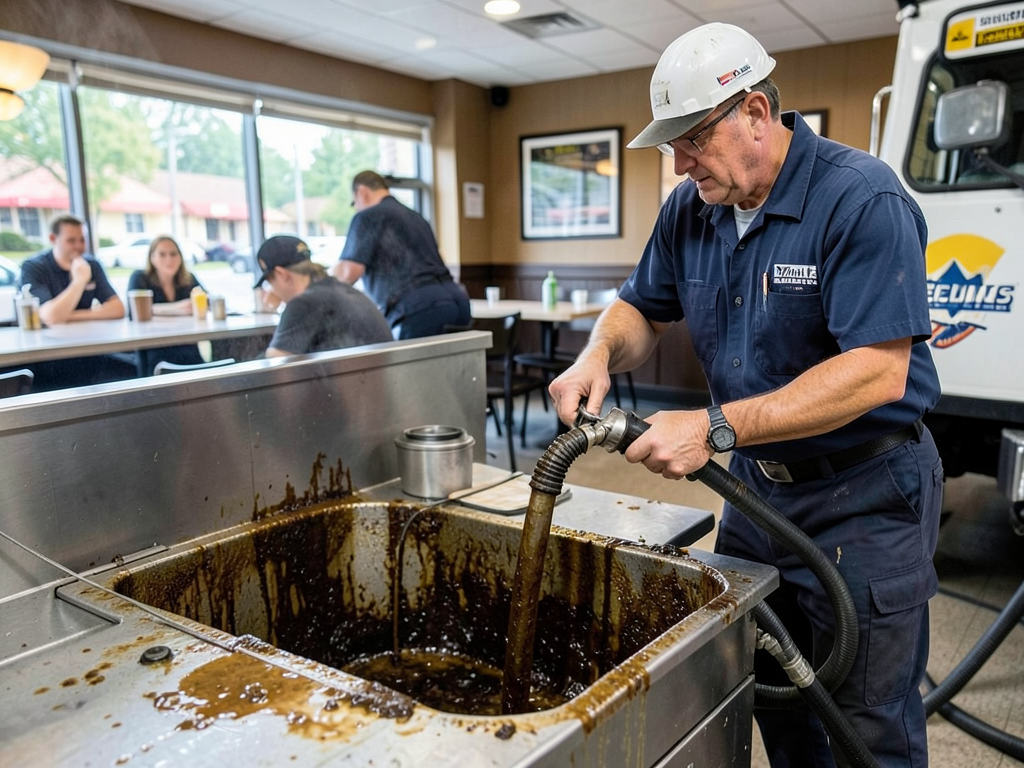
Diagram showing proper grease trap installation with inlet/outlet baffles, flow direction, and emergency overflow prevention.
Professional Cleaning Process for Delmar Loop Restaurants
Professional grease trap cleaning follows a systematic process that ensures complete removal of accumulated waste. Technicians begin by measuring current grease and solid levels to document trap condition. This measurement establishes a baseline for future cleaning schedules.
The pumping process uses specialized vacuum trucks equipped with 300-500 gallon tanks. Technicians remove all liquid and solid contents through access ports, ensuring nothing remains to continue decomposing. Complete removal prevents the gradual buildup that causes future problems.
After pumping, technicians scrape tank walls and remove accumulated grease from baffles and walls. This scraping prevents the formation of grease layers that can break loose and cause sudden blockages. Clean surfaces also make future inspections more accurate.
Hydro-jetting clears inlet and outlet lines connected to the grease trap. High-pressure water at 3,000-4,000 PSI removes grease deposits from pipe walls, restoring full flow capacity. This step prevents the common problem of grease moving downstream after trap cleaning.
Final inspection checks all components for damage or wear. Technicians examine gaskets, seals, and baffle positioning. They also verify proper water flow through the system before completing the service and providing required manifests.
Cost Factors for Grease Trap Cleaning on the Delmar Loop
Grease trap cleaning costs vary based on trap size, accessibility, and service frequency. Small indoor units under 50 gallons typically cost $175-250 to clean, while large outdoor interceptors over 1,000 gallons range from $400-800. The Delmar Loop’s older buildings may add $50-100 for difficult access.
Service frequency significantly impacts long-term costs. Monthly cleaning at $200 per service costs $2,400 annually, while emergency cleaning after a backup can exceed $1,000 plus potential business interruption losses. Regular maintenance prevents these expensive emergency situations.
Restaurants with high grease production may qualify for volume discounts. Chains or multi-unit operations often receive better rates through service contracts. These contracts guarantee priority service and fixed pricing for the contract term.
Additional costs include repairs for damaged components, replacement of corroded tanks, and installation of new systems when existing ones fail. These major expenses can reach $5,000-15,000 but are often preventable through regular maintenance.
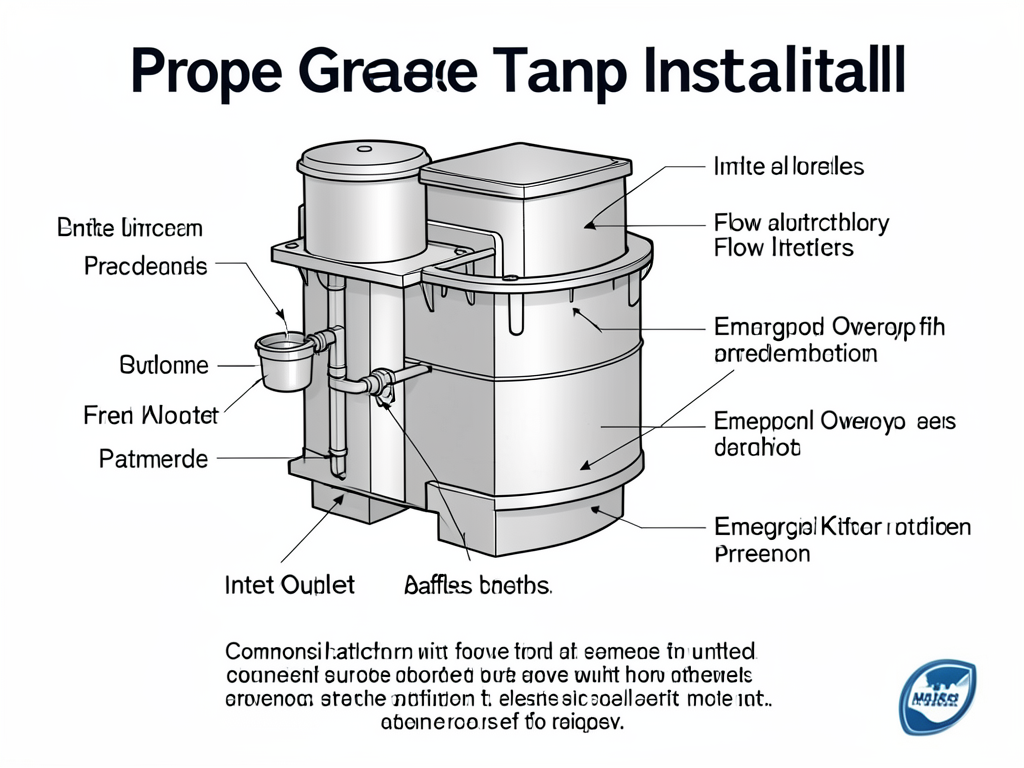
Before and after photos showing grease trap condition before cleaning versus clean, scraped interior after professional service.
Emergency Grease Trap Backup Response on the Delmar Loop
Grease trap backups create immediate health hazards requiring rapid response. When wastewater backs up into kitchens, it contaminates food preparation surfaces and creates slip-and-fall risks. This situation demands 24/7 emergency service to minimize damage and health code violations.
Emergency response begins with containing the spill to prevent spread throughout the kitchen. Technicians isolate affected areas and use absorbents to control standing water. This containment protects unaffected equipment and food storage areas.
Emergency pumping removes backed-up contents quickly using larger capacity trucks. Standard cleaning removes 500-1,000 gallons per hour, while emergency response can handle 1,500-2,000 gallons per hour to restore kitchen operations as fast as possible.
Health department notification may be required for significant backups. MSD mandates reporting of spills that reach storm drains or create public health hazards. Professional services handle these notifications and coordinate with inspectors during cleanup.
Post-emergency cleaning includes thorough sanitization of affected areas. Technicians use EPA-approved disinfectants to eliminate bacteria and odors. This sanitization ensures your kitchen passes subsequent health inspections without additional penalties.
Preventative Maintenance Scheduling for Delmar Loop Restaurants
Effective grease trap maintenance starts with proper scheduling based on your restaurant’s specific needs. Factors include menu type, customer volume, and trap size. BBQ restaurants and fried food establishments typically need more frequent service than salad bars or sandwich shops.
Seasonal adjustments account for Delmar Loop’s busy periods. Restaurants near Washington University experience increased volume during fall and spring semesters. Adjusting cleaning frequency during these periods prevents the buildup that causes summer backups.
Digital monitoring systems track grease accumulation in real-time. These sensors alert you when traps reach 20% capacity, allowing proactive scheduling before problems develop. Some systems integrate with scheduling software to automatically book service appointments.
Staff training prevents common maintenance mistakes. Kitchen workers should scrape plates thoroughly, use sink strainers, and avoid pouring oil down drains. These simple practices extend time between professional cleanings and reduce overall maintenance costs.
Documentation systems track cleaning history and identify patterns. Recording dates, volumes removed, and any issues helps optimize cleaning schedules. This data proves valuable during health inspections and helps predict future maintenance needs.
Technician using hydro-jetting equipment to clear grease from commercial kitchen drain lines during routine maintenance service.
Environmental Impact and Responsible Disposal in St. Louis
Responsible grease trap waste disposal protects Missouri’s waterways and soil quality. Professional services transport waste to licensed processing facilities where grease undergoes separation and recycling. This process prevents environmental contamination that can result from improper disposal.
Recycled grease becomes feedstock for biodiesel production, creating a circular economy benefit. One gallon of recycled restaurant grease produces approximately one gallon of biodiesel fuel. This recycling reduces dependence on petroleum-based fuels and creates local jobs.
Missouri Department of Natural Resources regulates disposal facilities to ensure proper handling. These regulations require secondary containment, spill prevention plans, and regular inspections. Facilities must demonstrate financial responsibility for potential environmental cleanup.
Water quality monitoring tracks the impact of FOG management programs. MSD tests effluent from major restaurants to verify compliance with discharge standards. These tests measure grease, solids, and chemical oxygen demand levels.
Community benefits extend beyond individual restaurants. Effective FOG management prevents sewer overflows that can contaminate local streams and parks. This protection preserves recreational areas and protects wildlife habitats throughout St. Louis County.
Choosing the Right Grease Trap Service Provider on the Delmar Loop
Selecting a qualified grease trap service provider requires evaluating several key factors. Licensing through Missouri Department of Natural Resources ensures proper waste handling credentials. Insurance coverage protects your business from liability during service operations.
Experience with Delmar Loop restaurants provides valuable local knowledge. Providers familiar with area building codes, MSD requirements, and common plumbing configurations complete work more efficiently. They also understand seasonal patterns affecting restaurant operations.
Equipment quality directly impacts service effectiveness. Modern vacuum trucks with proper filtration systems remove more waste per visit. Well-maintained equipment also reduces the risk of spills or incomplete cleaning that can cause future problems.
Customer service responsiveness matters during emergencies. Providers offering 24/7 service with guaranteed response times protect your business from extended closures. Quick response often determines whether you can salvage a dinner service or must completely close.
Transparent pricing and documentation build trust. Quality providers offer clear contracts, detailed manifests, and regular reporting. They also provide maintenance recommendations based on actual trap conditions rather than arbitrary schedules.
Frequently Asked Questions
How often should I clean my restaurant’s grease trap on the Delmar Loop?
Most Delmar Loop restaurants need monthly cleaning during peak seasons and bi-monthly service during slower periods. Restaurants serving fried foods or BBQ may require weekly service. MSD Ordinance 12513 requires cleaning when traps reach 25% capacity of accumulated grease and solids.
What happens if I don’t clean my grease trap regularly?
Neglecting grease trap cleaning leads to backups, foul odors, health code violations, and potential fines up to $500 per day. Complete blockages can shut down your kitchen, contaminate food preparation areas, and require expensive emergency repairs. MSD may terminate water service for egregious violations.
How much does grease trap cleaning cost on the Delmar Loop?
Small indoor units under 50 gallons cost $175-250 to clean, while large outdoor interceptors over 1,000 gallons range from $400-800. Older Delmar Loop buildings may add $50-100 for difficult access. Emergency cleaning after backups can exceed $1,000 plus business interruption losses.
Do I need to keep records of grease trap cleaning?
Yes. MSD Ordinance 12513 requires maintaining manifests documenting all cleaning activities for at least three years. Health inspectors review these records during routine visits. Professional services provide these manifests automatically, showing dates, volumes removed, and disposal information.
Can I clean my own grease trap to save money?
DIY grease trap cleaning violates MSD regulations and Missouri waste disposal laws. Licensed haulers must transport waste to approved processing facilities. Improper disposal can result in fines up to $10,000 and environmental cleanup costs. Professional cleaning also includes inspection and maintenance that DIY cannot provide.
Protect Your Delmar Loop Restaurant Today
Regular grease trap cleaning prevents the emergency situations that can shut down your Delmar Loop restaurant overnight. MSD compliance, health code violations, and costly plumbing repairs all become manageable when you maintain a consistent cleaning schedule with qualified professionals.
The Delmar Loop’s unique combination of historic buildings and high-volume food service creates specific challenges that require local expertise. Professional technicians understand these challenges and provide solutions that keep your kitchen running smoothly while protecting St. Louis’s aging sewer infrastructure.
Don’t wait for the backup that closes your doors. Schedule your grease trap inspection and cleaning today to ensure your restaurant stays compliant, clean, and profitable. Our team provides 24/7 emergency service throughout St. Louis City and County, including all Delmar Loop establishments.
Call (314) 417-7677 today to schedule your grease trap service or request emergency assistance. Protect your investment and keep your kitchen running smoothly with professional grease trap maintenance.
Peak Plumbing St. Louis serves restaurants throughout the Delmar Loop, University City, and surrounding St. Louis neighborhoods. Our licensed technicians provide comprehensive grease trap services, from routine cleaning to emergency backups, with full compliance documentation for every job.
You may also find this helpful. Why Putting Lemons in Your Skinker DeBaliviere Garbage Disposal Might Be a Bad Idea.
{
“@context”: “https://schema.org”,
“@type”: “BlogPosting”,
“headline”: “Why Regular Grease Trap Cleaning is Essential for Restaurants on the Delmar Loop”,
“description”: “Keep your Delmar Loop restaurant compliant with MSD regulations. Learn why regular grease trap cleaning prevents backups, fines, and costly plumbing emergencies.”,
“wordCount”: 2276,
“datePublished”: “2026-03-12T08:33:00.000Z”,
“dateModified”: “2026-03-12T08:33:00.000Z”,
“inLanguage”: “en-US”,
“mainEntityOfPage”: {
“@type”: “WebPage”,
“@id”: “https://peakplumbingstlouis.com”
},
“publisher”: {
“@type”: “LocalBusiness”,
“name”: “Peak Plumbing St. Louis”,
“url”: “https://peakplumbingstlouis.com”
},
“author”: {
“@type”: “Organization”,
“name”: “Peak Plumbing St. Louis”,
“url”: “https://peakplumbingstlouis.com”
},
“image”: {
“@type”: “ImageObject”,
“url”: “https://peakplumbingstlouis.com/wp-content/uploads/2026/03/why-regular-grease-trap-cleaning-is-essential-for-1.png”
}
}
{
“@context”: “https://schema.org”,
“@type”: “Plumber”,
“name”: “Peak Plumbing St. Louis”,
“url”: “https://peakplumbingstlouis.com”,
“address”: {
“@type”: “PostalAddress”,
“addressLocality”: “St. Louis”
},
“areaServed”: {
“@type”: “City”,
“name”: “St. Louis”
}
}
{
“@context”: “https://schema.org”,
“@type”: “FAQPage”,
“mainEntity”: [
{
“@type”: “Question”,
“name”: “How often should I clean my restaurant’s grease trap on the Delmar Loop?”,
“acceptedAnswer”: {
“@type”: “Answer”,
“text”: “Most Delmar Loop restaurants need monthly cleaning during peak seasons and bi-monthly service during slower periods. Restaurants serving fried foods or BBQ may require weekly service. MSD Ordinance 12513 requires cleaning when traps reach 25% capacity of accumulated grease and solids.”
}
},
{
“@type”: “Question”,
“name”: “What happens if I don’t clean my grease trap regularly?”,
“acceptedAnswer”: {
“@type”: “Answer”,
“text”: “Neglecting grease trap cleaning leads to backups, foul odors, health code violations, and potential fines up to $500 per day. Complete blockages can shut down your kitchen, contaminate food preparation areas, and require expensive emergency repairs. MSD may terminate water service for egregious violations.”
}
},
{
“@type”: “Question”,
“name”: “How much does grease trap cleaning cost on the Delmar Loop?”,
“acceptedAnswer”: {
“@type”: “Answer”,
“text”: “Small indoor units under 50 gallons cost $175-250 to clean, while large outdoor interceptors over 1,000 gallons range from $400-800. Older Delmar Loop buildings may add $50-100 for difficult access. Emergency cleaning after backups can exceed $1,000 plus business interruption losses.”
}
},
{
“@type”: “Question”,
“name”: “Do I need to keep records of grease trap cleaning?”,
“acceptedAnswer”: {
“@type”: “Answer”,
“text”: “Yes. MSD Ordinance 12513 requires maintaining manifests documenting all cleaning activities for at least three years. Health inspectors review these records during routine visits. Professional services provide these manifests automatically, showing dates, volumes removed, and disposal information.”
}
},
{
“@type”: “Question”,
“name”: “Can I clean my own grease trap to save money?”,
“acceptedAnswer”: {
“@type”: “Answer”,
“text”: “DIY grease trap cleaning violates MSD regulations and Missouri waste disposal laws. Licensed haulers must transport waste to approved processing facilities. Improper disposal can result in fines up to $10,000 and environmental cleanup costs. Professional cleaning also includes inspection and maintenance that DIY cannot provide.”
}
}
]
}
{
“@context”: “https://schema.org”,
“@type”: “BreadcrumbList”,
“itemListElement”: [
{
“@type”: “ListItem”,
“position”: 1,
“name”: “Home”,
“item”: “https://peakplumbingstlouis.com”
},
{
“@type”: “ListItem”,
“position”: 2,
“name”: “Blog”,
“item”: “https://peakplumbingstlouis.com/blog”
},
{
“@type”: “ListItem”,
“position”: 3,
“name”: “Why Regular Grease Trap Cleaning is Essential for Restaurants on the Delmar Loop”
}
]
}
{
“@context”: “https://schema.org”,
“@type”: “Service”,
“serviceType”: “Plumbing”,
“provider”: {
“@type”: “LocalBusiness”,
“name”: “Peak Plumbing St. Louis”,
“url”: “https://peakplumbingstlouis.com”
},
“areaServed”: {
“@type”: “City”,
“name”: “St. Louis”
},
“description”: “Keep your Delmar Loop restaurant compliant with MSD regulations. Learn why regular grease trap cleaning prevents backups, fines, and costly plumbing emergencies.”
}