



Menu

Commercial Sewer Line Repair in St. Louis – Minimize Downtime with Industrial-Grade Solutions

Peak Plumbing St. Louis delivers rapid commercial sewer main repair and business sewer line repair with trenchless technology and scaled capacity to keep your operations running while we restore full system function.

Slider Image 1
Slider Image 2
Slider Image 3
Slider Image 4
Slider Image 5
Slider Image 7
Slider Image 8
Slider Image 9
Slider Image 10
Slider Image 11

Why Commercial Sewer Lines Fail in St. Louis

Commercial sewer systems in St. Louis face aggressive environmental conditions that residential lines do not. The region's expansive clay soil shifts with moisture fluctuations, exerting lateral pressure on underground pipe networks. Add freeze-thaw cycles that can crack aging cast iron or clay pipe, and you have a recipe for catastrophic failure during peak business hours.

High-volume facilities such as restaurants, warehouses, and medical offices push flow capacity to the limit. Grease accumulation, industrial solids, and biofilm buildup reduce effective diameter over time. When a commercial sewer main collapses or backs up, the consequences extend beyond inconvenience. You face health code violations, interrupted revenue, and potential liability exposure.

Older buildings in Soulard, Lafayette Square, and the Central West End often rely on legacy pipe materials that were never engineered for modern commercial loads. Tree root intrusion from mature street canopies compounds the problem, fracturing joints and creating blockages that standard hydro-jetting cannot resolve.

Identifying the failure point requires diagnostic equipment capable of navigating large-diameter lines and interpreting complex system layouts. Business sewer line repair demands precision, speed, and the ability to work within tight operational windows. Delayed repairs amplify costs. The faster you address the failure, the less you lose in downtime and reputational damage.

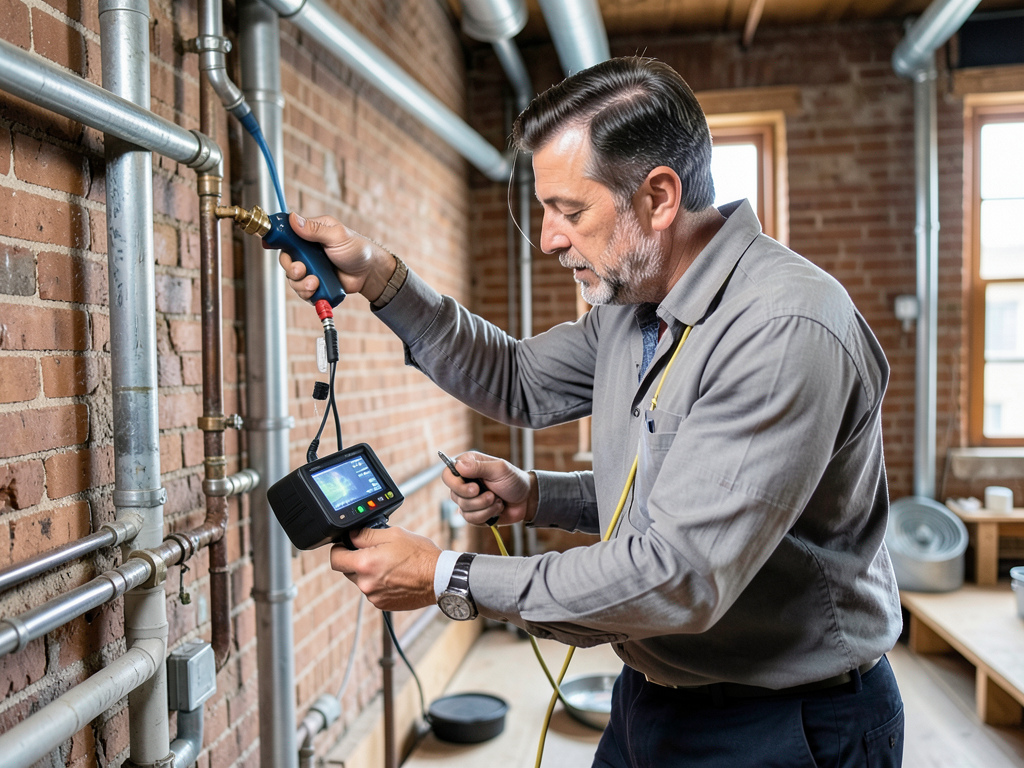
Peak Plumbing St. Louis uses fiber-optic sewer cameras rated for commercial-grade pipe diameters. We locate breaks, offsets, and infiltration points without guesswork. Our industrial sewer line repair protocols prioritize containment, rapid mobilization, and compliance with local municipal codes governing commercial wastewater discharge.

Why Commercial Sewer Lines Fail in St. Louis
How We Execute Commercial Sewer Pipe Repair

How We Execute Commercial Sewer Pipe Repair

We start with high-resolution video inspection to map your entire sewer main layout. This identifies not only the active failure point but also upstream and downstream vulnerabilities that could cascade into future failures. Our camera systems record depth, offset angles, and material condition, giving you a forensic-level assessment.

Once we isolate the problem zone, we evaluate access constraints, soil stability, and traffic control requirements. Many commercial properties in St. Louis sit on tight lots with limited excavation windows. We deploy trenchless repair methods wherever feasible to avoid tearing up parking lots, loading docks, or landscaping.

Cured-in-place pipe lining works for partial collapses and root-damaged sections. We insert an epoxy-saturated liner into the existing pipe, inflate it, and cure it with heat or UV light. The result is a seamless, corrosion-resistant interior pipe that restores structural integrity without excavation. For complete collapses or offset joints, pipe bursting allows us to fracture the old line and pull through new HDPE pipe in a single operation.

When excavation is unavoidable, we coordinate with city permitting, traffic control, and environmental health departments to meet all regulatory requirements. St. Louis Municipal Code mandates specific backfill compaction standards and inspection protocols for commercial sewer work. We handle the documentation and site restoration so you can focus on business operations.

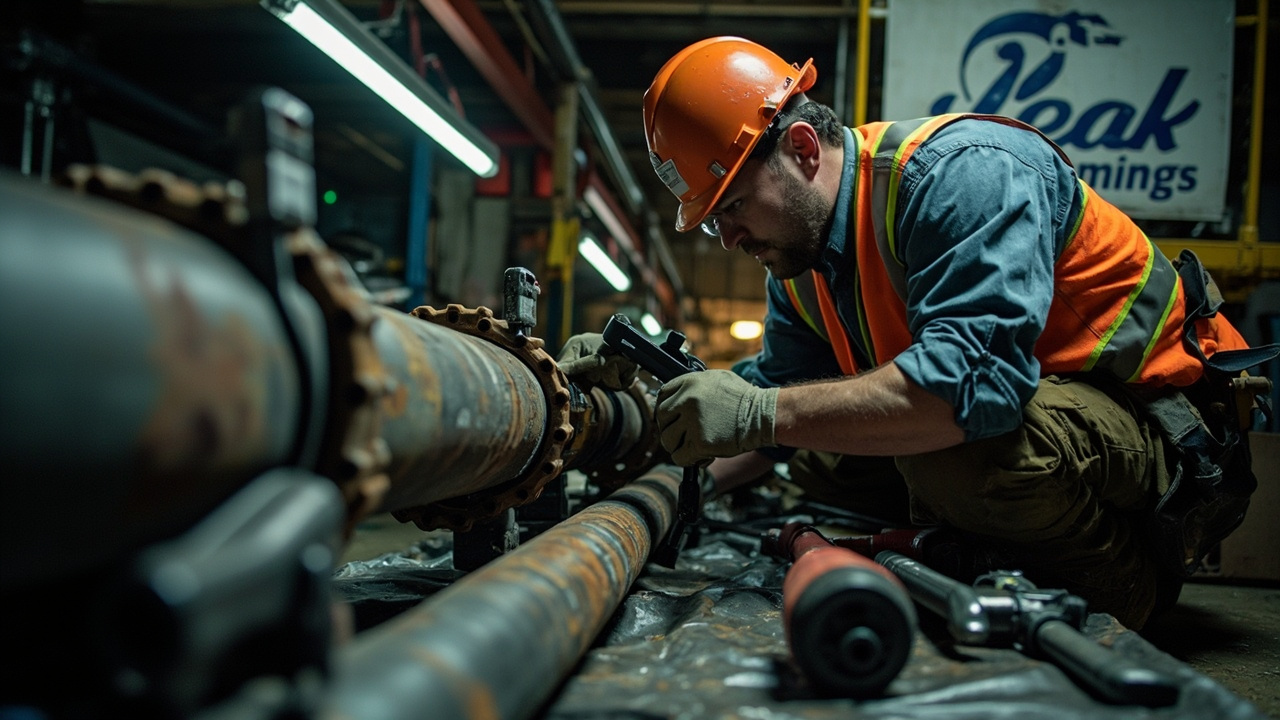
Our commercial sewer repair services include temporary bypass pumping to maintain facility function during the repair window. We run discharge lines to the municipal main or approved holding tanks, preventing wastewater backup into your building. For multi-tenant properties, this keeps tenants operational and avoids lease disputes or vacancy losses.

What Happens During Your Commercial Sewer Repair

Commercial Sewer Line Repair in St. Louis – Minimize Downtime with Industrial-Grade Solutions
01

Emergency Assessment and Containment

We dispatch a crew within two hours of your call. The first priority is stopping wastewater discharge and protecting public health. We establish a containment perimeter, isolate the damaged section, and deploy bypass pumping if needed. Our technician performs an initial camera inspection to determine whether the failure is localized or systemic, then provides a written scope of work with multiple repair options ranked by cost, timeline, and disruption level.
02

Permitting and Repair Execution

We pull all required permits from the Metropolitan St. Louis Sewer District and coordinate with city inspectors. If excavation is required, we mark utilities, establish traffic control, and excavate to the depth needed for proper pipe replacement or lining installation. Trenchless methods reduce surface disruption by up to 90 percent. We complete the repair, perform a post-repair camera inspection, and provide video documentation for your records and insurance claims.
03

System Testing and Compliance Verification

Once the repair is complete, we perform a pressure test or dye test to confirm zero infiltration and full structural integrity. We flush the line to remove debris and verify smooth flow characteristics. All work is documented in compliance with MSD and city building code requirements. You receive a final inspection report, warranty documentation, and a maintenance schedule to prevent future failures. We restore all disturbed surfaces to pre-work condition or better.

Why St. Louis Businesses Choose Peak Plumbing St. Louis

Commercial sewer failures do not wait for convenient hours. You need a contractor who understands the operational stakes and can mobilize resources immediately. Peak Plumbing St. Louis maintains dedicated commercial response teams with the equipment, certifications, and municipal relationships required to execute large-scale repairs without delays.

We know St. Louis infrastructure. Many commercial districts sit on combined sewer systems that date back to the early 1900s. Navigating these networks requires familiarity with archaic pipe materials, non-standard fittings, and grandfathered drainage layouts that modern blueprints do not capture. Our technicians have worked on everything from Anheuser-Busch distribution facilities to downtown high-rises, and we carry institutional knowledge that generalist plumbers lack.

Our trenchless repair capabilities set us apart. Most contractors default to excavation because they lack the training or equipment for cured-in-place lining or pipe bursting. We invest in technology that reduces your downtime, preserves your property, and lowers total project cost. When excavation is necessary, we coordinate with MSD inspectors and expedite permit approvals through established relationships.

We also carry commercial liability coverage that meets the bonding and insurance requirements for large property managers, REITs, and municipal contracts. Our workers are OSHA-certified for confined space entry and trench safety. You get a contractor who can pass your due diligence review and integrate into your facility management protocols without friction.

Peak Plumbing St. Louis does not subcontract commercial work. You deal directly with our field supervisors and project managers. We provide transparent pricing, written timelines, and daily progress updates. When a sewer main fails, you need accountability, not excuses.

What to Expect When You Call Peak Plumbing St. Louis

Rapid Mobilization and Minimal Downtime

We dispatch a commercial response crew within two hours of your call, seven days a week. Our trucks carry fiber-optic inspection equipment, bypass pumps, and trenchless repair tools so we can begin work immediately. Most repairs are completed within 24 to 48 hours, depending on scope and permitting requirements. We work overnight and on weekends to avoid disrupting your peak business hours. If a repair will take multiple days, we install temporary bypass systems to keep your facility operational while we work.

Comprehensive Diagnostic Inspection

Our initial assessment includes a full video inspection of your main sewer line from the building to the municipal connection point. We record the inspection and provide you with a digital file for your facility records. The camera identifies cracks, root intrusion, offset joints, and grease buildup. We measure pipe slope, diameter, and material type to determine the best repair method. You receive a written report with annotated photos, recommended repairs, and a cost breakdown for each option. This transparency allows you to make informed decisions about immediate fixes versus long-term replacements.

Durable, Code-Compliant Repairs

We use only materials and methods approved by the Metropolitan St. Louis Sewer District and the International Plumbing Code. Trenchless liners are epoxy-based with a 50-year service life. Replacement pipe is Schedule 40 PVC or SDR-35 HDPE, depending on soil conditions and load requirements. All joints are fusion-welded or solvent-cemented to prevent future root intrusion. Post-repair testing includes pressure testing and dye testing to verify zero leakage. You receive stamped inspection reports and warranty documentation that satisfy insurance and municipal compliance requirements.

Preventive Maintenance Plans

Commercial sewer lines require proactive maintenance to avoid catastrophic failures. We offer scheduled hydro-jetting, quarterly camera inspections, and grease trap management programs tailored to your facility type. Restaurants benefit from enzyme treatments that break down fats and oils before they solidify in the line. Warehouses and manufacturing facilities need root barrier installations and pipe relining to handle high solids loads. We create a custom maintenance schedule based on your usage patterns, pipe age, and soil conditions. Preventive care extends system life and eliminates emergency repair costs.

Frequently Asked Questions

You Have Questions,
We Have Answers

Will insurance pay for sewer line replacement? +

Commercial property insurance typically excludes sewer line replacement caused by age, wear, or lack of maintenance. Coverage applies only if damage results from a covered peril like sudden pipe burst or external catastrophe. Review your policy's exclusions carefully. Many St. Louis businesses add sewer backup endorsements for interior damage, but this does not cover the underground line itself. If tree root intrusion or ground settling caused the break, you will pay out of pocket. Document all damage with video inspection reports to support any claim. Consult your broker before filing to avoid premium increases for denied claims.

Who is responsible for a broken sewer pipe? +

Responsibility depends on where the break occurs. Property owners in St. Louis own and maintain the lateral line from the building to the property line or point of connection to the city main. The Metropolitan St. Louis Sewer District owns the main line in the right-of-way. If your lateral fails under a parking lot or within your property boundary, you pay for repairs. If the city main collapses, MSD handles it. Gray areas exist at connection points. Request a sewer camera inspection to pinpoint the exact failure location before accepting repair liability or disputing responsibility with the municipality.

How much does it cost to fix a collapsed sewer line? +

Replacement costs vary based on depth, access, soil conditions, and pipe material. Expect higher costs if the line runs under paved surfaces, landscaping, or structures. St. Louis clay soil can complicate excavation and requires proper bedding to prevent future settling. Trenchless methods reduce surface disruption but cost more per linear foot. The length of the collapsed section matters. A 10-foot section costs far less than replacing 100 feet of mainline. Always get multiple bids with video documentation showing the full extent of collapse. Factor in permit fees and potential business interruption costs during repair.

Can sewer pipes be repaired without digging? +

Yes. Trenchless methods like pipe bursting and cured-in-place pipe lining rehabilitate sewer lines without full excavation. These techniques work well in St. Louis where digging disrupts customer access or damages landscaping around commercial properties. Pipe lining inserts an epoxy-coated liner that hardens into a new pipe inside the old one. Pipe bursting fractures the damaged pipe while pulling through new pipe simultaneously. Both methods require access points at each end but leave surfaces intact. Not all failures qualify for trenchless repair. Severe misalignment or complete collapse may still require open-cut excavation and replacement.

How St. Louis Clay Soil Accelerates Commercial Sewer Line Failure

St. Louis sits on expansive clay soil that swells when wet and contracts during dry periods. This cyclical movement exerts lateral pressure on buried sewer mains, causing joint separation, pipe cracking, and alignment shifts. Commercial properties with high water tables or poor site drainage experience accelerated pipe deterioration. Older cast iron and clay pipe lack the flexibility to withstand these soil movements, leading to collapses that block flow and trigger backups. Industrial sewer line repair in this region requires pipe materials and installation techniques that account for soil instability. HDPE pipe and trenchless lining systems resist lateral pressure and provide long-term stability in challenging soil conditions.

The Metropolitan St. Louis Sewer District enforces strict discharge standards and inspection protocols for commercial sewer repairs. Contractors must pull permits, coordinate with MSD inspectors, and document all work with video evidence and pressure test results. Peak Plumbing St. Louis maintains active relationships with MSD officials and understands the administrative requirements that delay out-of-town contractors. Our technicians are trained on local code amendments and district-specific construction standards. When you hire us for business sewer line repair, you get a contractor who can navigate the regulatory environment and complete your project without compliance delays or rework.
Plumbing Services in The St. Louis Area

Peak Plumbing St. Louis is proud to serve the entire St. Louis metropolitan area and surrounding communities. Our dedicated team is strategically located to respond quickly to your residential and commercial plumbing needs. You can view our primary service area on the map below, but if you're located nearby and have a plumbing issue, don't hesitate to give us a call to see how we can assist you.

Address:
Peak Plumbing St. Louis, 4565 McRee Ave, St. Louis, MO, 63110

Additional Services We Offer

Our news updates

Latest Articles & News from The Blogs

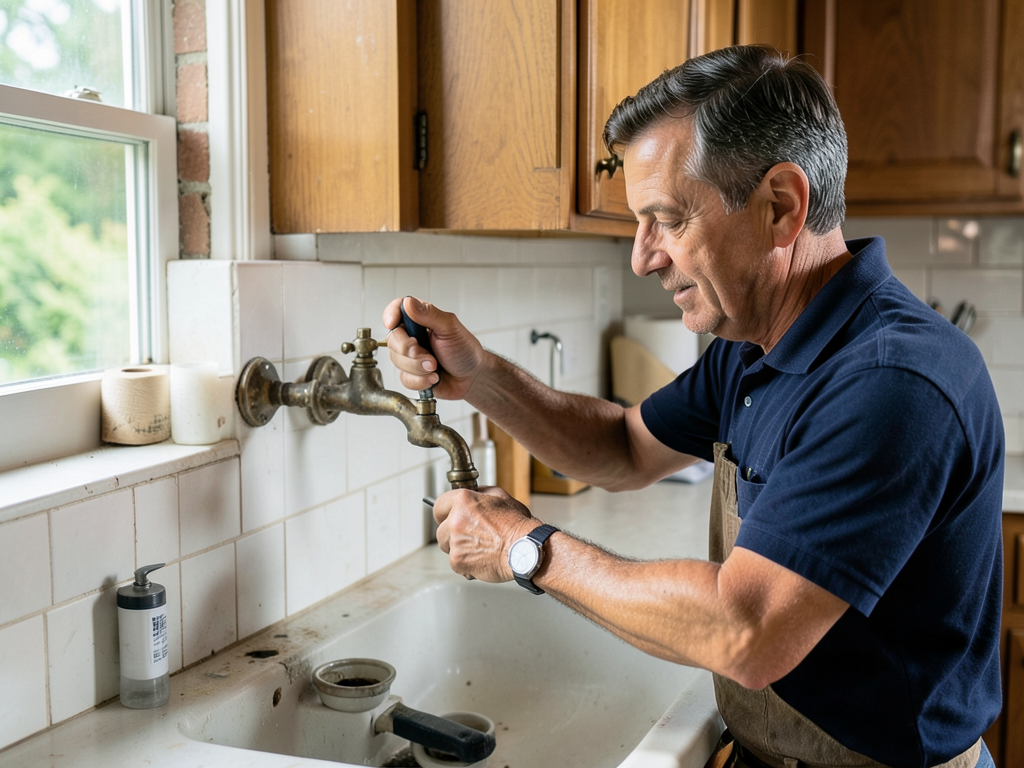
Modernizing the Plumbing in a 100 Year Old Hyde Park Kitchen Hyde Park's historic charm comes with a unique plumbing…

Modernizing the Plumbing in a 100 Year Old Hyde Park Kitchen

Modernizing the Plumbing in a 100 Year Old Hyde Park Kitchen Hyde Park's historic charm comes with a unique plumbing…

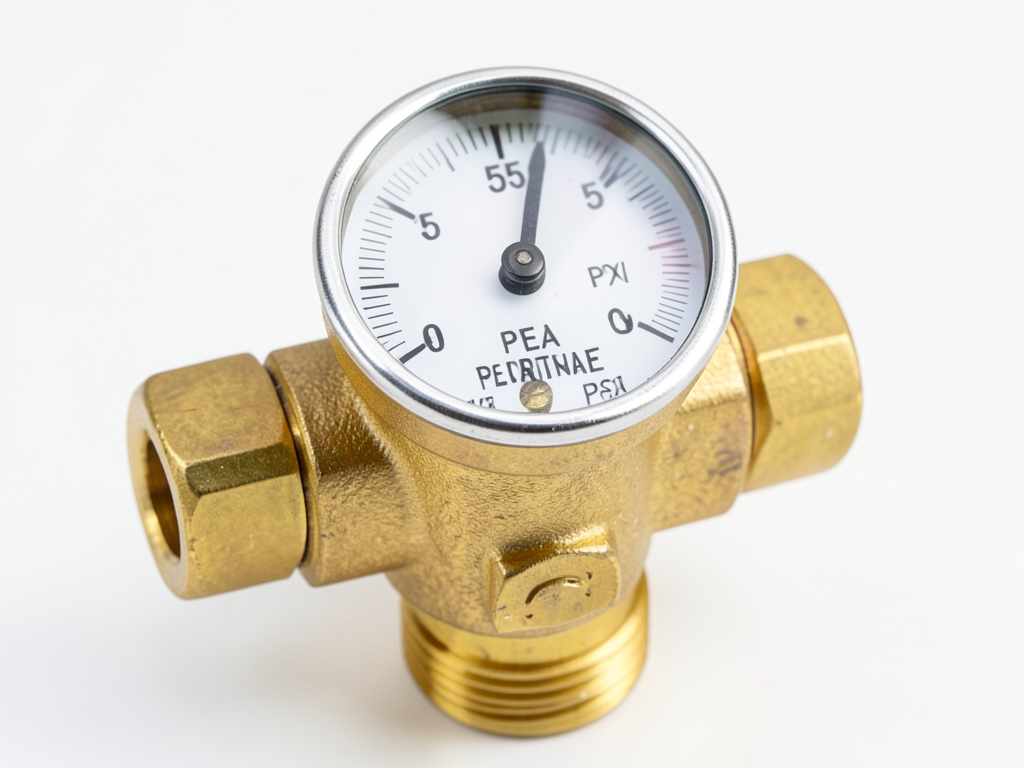
Why Your Forest Park Southeast Condo Needs a Water Pressure Regulator

Why Your Forest Park Southeast Condo Needs a Water Pressure Regulator Living in a Forest Park Southeast condo means enjoying…

The Best Way to Hide Exposed Plumbing in Your Soulard Loft

The Best Way to Hide Exposed Plumbing in Your Soulard Loft Exposed pipes in your Soulard loft can clash with…

Contact Us

Call Peak Plumbing St. Louis at (314) 417-7677 now. We provide immediate dispatch, transparent pricing, and code-compliant commercial sewer repair that keeps your facility operational.