




Menu

Frozen Pipe Thawing & Repair in St. Louis | 24/7 Emergency Response Within 60 Minutes

When a frozen pipe bursts in your St. Louis home, every minute counts. Our emergency frozen pipe repair technicians arrive fast, stop the flooding, and restore your water service before structural damage spreads.

Slider Image 1
Slider Image 2
Slider Image 3
Slider Image 4
Slider Image 5
Slider Image 7
Slider Image 8
Slider Image 9
Slider Image 10
Slider Image 11

Why St. Louis Winters Turn Frozen Pipes Into Flooding Emergencies

St. Louis winters hit a brutal sweet spot. Temperatures swing wildly between freezing nights and 40-degree afternoons, creating the exact freeze-thaw cycle that ruptures pipes. When water freezes inside copper or PEX lines, it expands by nearly 9%. That pressure cracks pipes from the inside out.

The problem gets worse in older St. Louis homes south of Forest Park and through the Hill neighborhood, where uninsulated crawl spaces and exterior wall cavities leave pipes exposed. When a polar vortex drops temperatures to 15 degrees for three days straight, those vulnerable lines freeze solid.

You notice it first when a faucet stops running. Then you hear dripping inside a wall. By the time you see water pooling under cabinets or seeping through drywall, the pipe has already burst. A single quarter-inch crack dumps 250 gallons per hour into your home.

Emergency frozen pipe repair stops that cascade. Professional pipe thawing services use controlled heat application to unfreeze plumbing pipes without causing secondary ruptures. Trying to thaw pipes yourself with a space heater or blowtorch adds fire risk and uneven heating that can split weakened pipe walls.

St. Louis homes built before 1970 face higher risk because builders used galvanized steel supply lines that corrode internally. When ice forms, these corroded weak points fail first. Fix frozen water pipes requires identifying not just the frozen section, but the structural integrity of surrounding lines before restoring pressure.

Why St. Louis Winters Turn Frozen Pipes Into Flooding Emergencies
How We Thaw and Repair Frozen Pipes Without Causing More Damage

How We Thaw and Repair Frozen Pipes Without Causing More Damage

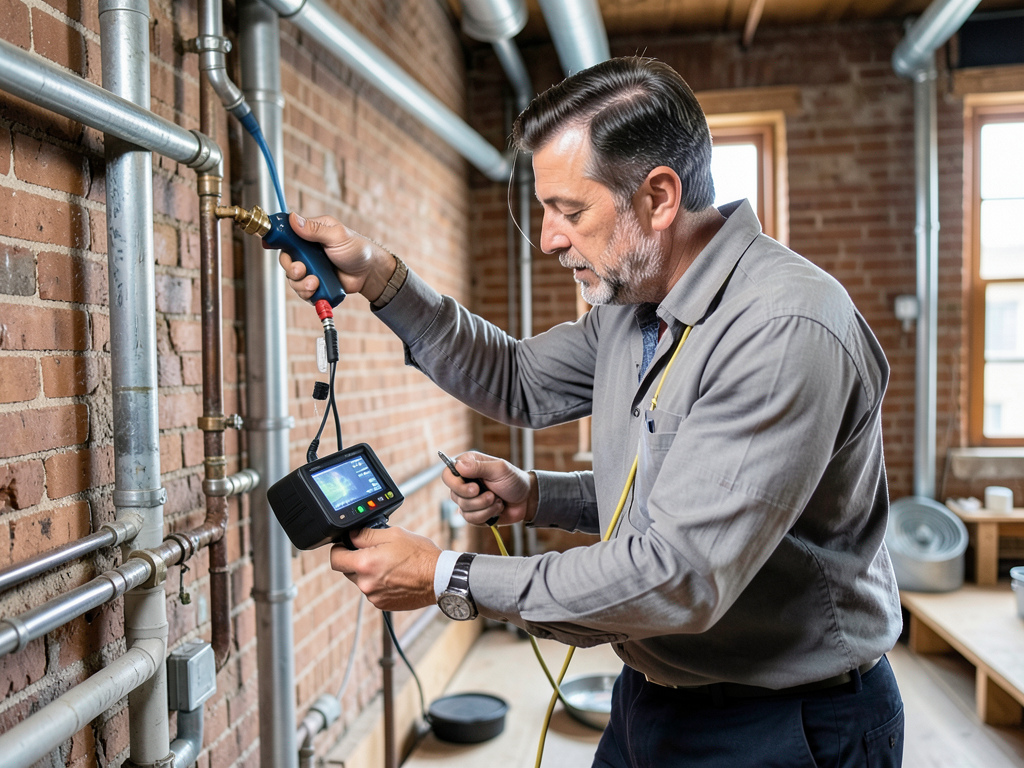
Frozen water line repair requires precision, not brute force. We start with thermal imaging cameras to locate the exact freeze point without tearing apart walls blindly. The camera shows temperature differentials along pipe runs, pinpointing where ice has formed and where cracks may have already developed.

For intact frozen pipes, we use electric pipe thawing equipment that wraps around the line and applies controlled radiant heat. This gradually raises pipe temperature from the outside in, melting ice evenly without thermal shock that causes expansion cracks. We monitor temperature rise in real time, never exceeding safe thaw rates for the pipe material.

If the pipe has already burst, we isolate the damaged section immediately. Our trucks carry pre-cut copper, PEX, and CPVC sections with SharkBite fittings for fast repairs that meet International Plumbing Code standards. For concealed pipes inside walls, we use access panels and fiber-optic inspection cameras to minimize demolition.

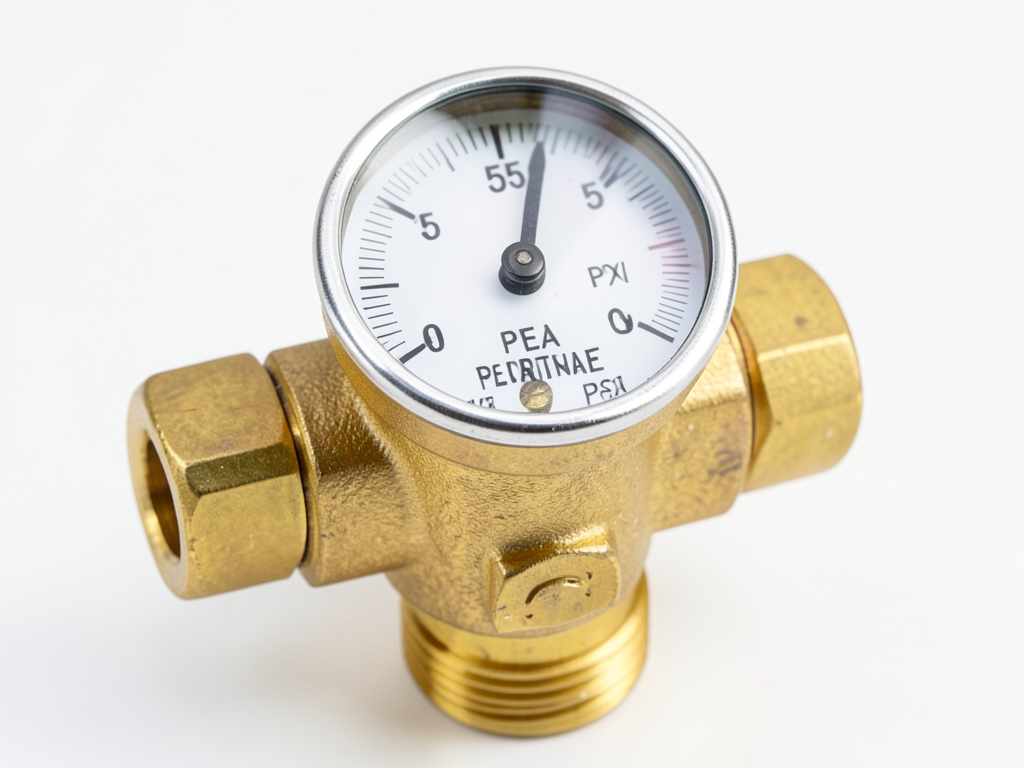
St. Louis building code requires pressure testing after any pipe repair. We test to 150 PSI for 15 minutes, watching for pressure drops that indicate micro-leaks. Only after the system holds do we restore water service.

For pipes in exterior walls or unheated crawl spaces, we install heat trace cable and add pipe insulation rated to R-4 or higher. This prevents re-freeze during the next cold snap. Many St. Louis homes near the Missouri River bottomlands have foundation vents that channel freezing air directly onto pipes. We identify these airflow paths and recommend permanent solutions.

What Happens During an Emergency Frozen Pipe Call

Frozen Pipe Thawing & Repair in St. Louis | 24/7 Emergency Response Within 60 Minutes
01

Immediate Water Shutoff

Our technician locates your main water shutoff valve and closes it completely to stop flooding from burst pipes. We then open faucets downstream to relieve residual pressure and drain remaining water from the damaged section. If your main valve is frozen or inaccessible, we use curb key tools to shut off water at the meter. This containment phase typically takes under five minutes.
02

Thermal Diagnosis and Thawing

Using infrared cameras, we map the frozen pipe section and check for cracks or ruptures. For unbroken pipes, we attach electric thawing blankets or use hot water circulation methods to safely melt ice buildup. We never apply open flame or excessive heat that could vaporize trapped water and blow out weakened pipe walls. The thaw process takes 20 to 45 minutes depending on ice thickness and pipe length.
03

Repair and Restoration

Once thawed, we cut out damaged pipe sections and install new components using compression fittings or soldered joints. We pressure test the repair to code standards, then restore water service gradually to avoid hydraulic shock. Before leaving, we check all fixtures for proper flow and inspect surrounding areas for hidden water damage that requires mitigation. You get full water service back, typically within two to three hours of our arrival.

Why St. Louis Homeowners Call Peak Plumbing for Frozen Pipe Emergencies

Peak Plumbing St. Louis technicians know the difference between a 1920s bungalow in Tower Grove East and a 1980s ranch in Ballwin. We have thawed pipes in crawl spaces flooded by River Des Peres overflow and repaired burst lines in attics where ventilation was blocked during energy retrofits.

That local knowledge matters when you are standing in two inches of water at 2 a.m. We know which St. Louis neighborhoods have cast iron supply lines prone to rupture and which have updated PEX systems that handle freeze cycles better. We know the valve locations in common St. Louis home layouts, so we do not waste time searching.

Our trucks stock repair parts that fit the plumbing systems actually installed in St. Louis homes. We carry 1/2-inch and 3/4-inch Type L copper, PEX-A expansion fittings, and lead-free solder that meets Missouri plumbing code. We do not show up with generic parts that require adapters or code variances.

We also understand St. Louis weather patterns. When the National Weather Service issues a hard freeze warning, we add overnight crews. We know January cold snaps last three to five days here, so we do not just fix the immediate problem. We insulate, reroute, or add heat trace to prevent callbacks during the same weather event.

Every technician carries liability insurance that covers water damage mitigation, not just the pipe repair itself. If a burst pipe damages flooring or drywall, our insurance coordinates with your homeowner policy to document losses. We photograph damage, provide written assessments, and communicate directly with adjusters.

What to Expect When You Call for Frozen Pipe Repair

Response Time and Availability

We answer emergency calls 24 hours a day, every day, including holidays. During freeze warnings, we dispatch technicians within 60 minutes to St. Louis city limits and inner-ring suburbs. Our average response time from call to arrival is 45 minutes. You get a live person on the phone immediately, not a voicemail system. We provide an exact arrival window and text updates as the technician drives to your location. No guessing, no waiting until morning.

Diagnostic Assessment Process

The technician walks through your home to identify all affected pipes and assess damage scope. We use moisture meters to detect hidden water intrusion behind walls and under flooring. You receive a verbal explanation of what froze, why it froze, and what repair options exist. We never start work without clear approval. If multiple pipes are compromised, we prioritize based on which failures cause the most immediate damage. You know exactly what we are fixing and why.

Quality of Completed Repairs

All pipe repairs use code-compliant materials and methods that match or exceed the existing system. We do not patch with temporary fittings or substandard parts. Copper joints are soldered with lead-free solder and inspected for complete capillary fill. PEX connections use expansion rings or crimped fittings tested to ASTM F1960 standards. Every repair gets pressure tested before we restore water flow. You receive documentation of all work performed, including part specifications and test results.

Prevention and Follow-Up

After the emergency repair, we identify why the pipe froze and recommend permanent fixes. This might include adding insulation, sealing foundation vents, installing frost-proof hose bibs, or rerouting exposed pipes to interior walls. We provide written prevention plans specific to your home's layout and construction type. If additional freezing occurs within 30 days due to the same vulnerable pipe section, we return at no additional diagnostic charge to reassess the system.

Frequently Asked Questions

You Have Questions,
We Have Answers

How much does it cost for someone to unfreeze your pipes? +

Frozen pipe thawing costs in St. Louis typically range based on pipe location and accessibility. Simple surface-level thaws start lower, while buried lines or crawl space work cost more. Emergency calls during nights, weekends, or holidays add premium fees. If the pipe already burst, you pay for thawing plus repair and water damage mitigation. Most plumbers assess the situation first and provide upfront pricing. Do not wait to save money. Burst pipes cause thousands in damage within hours. Call a licensed plumber immediately if you suspect frozen pipes in your St. Louis home.

What is the best way to thaw out a frozen pipe? +

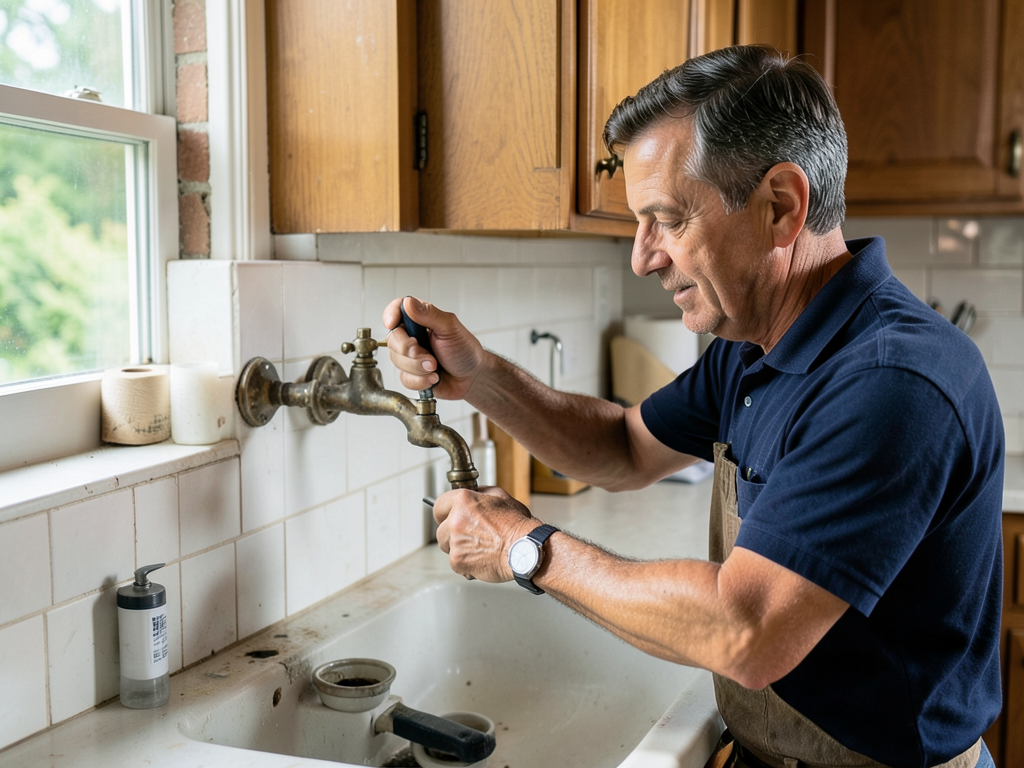
The safest thawing method uses gradual, controlled heat. Open the faucet first to relieve pressure. Apply heat from the faucet toward the frozen section using a hairdryer, heat lamp, or towels soaked in hot water. Never use open flames, propane torches, or space heaters unattended. These cause fires and burst pipes. For frozen pipes in walls, basements, or crawl spaces common in older St. Louis homes, call a professional plumber. They use specialized thawing equipment and locate hidden freeze points you cannot reach. Speed matters, but safety comes first.

What not to do when thawing frozen pipes? +

Never use open flames, blowtorches, or high-heat devices on frozen pipes. You will melt plastic fittings, ignite insulation, or superheat water into steam that explodes the pipe. Do not close the faucet while thawing. You need an open valve to release expanding water and steam pressure. Never ignore a frozen pipe and hope it thaws on its own. St. Louis freeze-thaw cycles worsen damage daily. Do not thaw aggressively from the frozen section outward. Work from the faucet inward to prevent pressure buildup. When in doubt, shut off your main water valve and call a plumber.

Can plumbers do anything for frozen pipes? +

Yes. Licensed plumbers handle frozen pipes daily during St. Louis winters. They use electric thawing machines, heat tape, and infrared tools to safely restore flow without damaging your system. Plumbers access pipes inside walls, under slabs, and in tight crawl spaces you cannot reach. They inspect for cracks or micro-fractures caused by ice expansion before water pressure returns. If the pipe already burst, plumbers perform emergency repairs and help document damage for insurance claims. Do not waste time with DIY methods on hidden or stubborn freezes. Call a plumber to prevent catastrophic failure.

Does homeowners insurance cover a frozen pipe? +

Most homeowners policies cover sudden pipe bursts from freezing, but not the freezing itself or gradual damage from neglect. If you maintained heat and took reasonable precautions, insurers typically pay for water damage, repairs, and content replacement. If you left your St. Louis home vacant without heat or winterization, expect a claim denial. Document everything immediately. Take photos, stop the water flow, and call your insurer within 24 hours. Your plumber can provide written statements about the cause. Review your policy now, before winter hits, to understand your coverage limits and deductibles.

Can frozen pipes thaw without bursting? +

Yes, frozen pipes can thaw naturally without bursting if ice forms slowly and expands evenly. However, you cannot predict this outcome. Ice expansion creates thousands of PSI against pipe walls. Copper, PEX, and galvanized steel all fail differently under stress. St. Louis homes with older galvanized pipes face higher rupture risk. Even if a pipe survives the freeze, microscopic cracks may leak later when pressure returns. Never assume a thawed pipe is safe. Have a plumber inspect and pressure-test your system after any freeze event. Waiting for natural thaw is gambling with thousands in water damage.

Should I open my faucets if my pipes are frozen? +

Yes. Open every faucet connected to the frozen section immediately. Turn both hot and cold handles to a moderate flow, not just a drip. Running water relieves pressure as ice expands and helps you identify which line froze. When water starts flowing, even as a trickle, keep the faucet open until full pressure returns. This prevents pressure buildup that splits pipes. In St. Louis homes with multiple frozen zones, open faucets on all floors. If no water flows after 30 minutes of applied heat, shut your main valve and call a plumber before the pipe ruptures.

How long can pipes be frozen before bursting? +

No guaranteed timeline exists. Pipes can freeze solid in hours during extreme cold snaps, then sit frozen for days before bursting. Thin-walled copper pipes fail faster than thick PEX or steel. Exterior walls, unheated crawl spaces, and attic lines in St. Louis homes freeze quickest. The danger multiplies during freeze-thaw cycles common here. Ice expands, contracts, then re-expands, weakening pipe integrity with each cycle. A pipe frozen Monday may burst Wednesday when temperatures briefly rise. Do not wait to see what happens. Address frozen pipes within hours, not days. Every minute increases rupture risk and potential damage.

Can you pour hot water down the drain to thaw frozen pipes? +

Pouring hot water down drains helps only for frozen traps directly under sinks, not supply lines. The water cools rapidly and rarely reaches deep freezes. You risk cracking fixtures with thermal shock if you use boiling water. For supply lines in walls or floors, hot water does nothing. It flows through the drainage system, not the pressurized water supply. In St. Louis homes with frozen kitchen or bathroom drains, use warm, not boiling, water and work slowly. For frozen supply pipes causing no flow at faucets, skip this method entirely. Call a plumber with proper thawing equipment.

At what temperature should you let your faucets drip? +

Let faucets drip when temperatures drop to 20 degrees or below, especially during overnight lows common in St. Louis winters. Focus on faucets along exterior walls, in unheated spaces, or with a history of freezing. A pencil-lead-thin stream is enough. Moving water resists freezing better than standing water. Open both hot and cold taps slightly to protect both supply lines. This wastes water but prevents thousands in damage. If temperatures plummet below 10 degrees or you have poorly insulated pipes, increase flow slightly. Dripping faucets are prevention, not a cure. If pipes already froze, call a plumber immediately.

How St. Louis Freeze-Thaw Cycles Destroy Pipes Faster Than Steady Cold

St. Louis sits at the boundary between continental polar air masses and Gulf moisture, creating wild January temperature swings. A pipe freezes solid at 18 degrees overnight, then partially thaws when afternoon sun warms south-facing walls to 38 degrees. That repeated expansion and contraction fatigues copper and cracks soldered joints. Emergency frozen pipe repair calls spike during these swing periods, not during sustained deep freezes. Homes near the Missouri and Mississippi River corridors face added risk from fog and humidity that accelerates freeze penetration through exterior walls.

Peak Plumbing St. Louis has thawed pipes in over 600 homes since 2019, giving us a database of which neighborhoods and construction types fail first. We know that brick veneer homes in Webster Groves have vulnerable rim joist cavities and that split-level homes in Affton often have uninsulated garage supply lines. This local pattern recognition means faster diagnosis and fewer exploratory cuts. When you call a company that works exclusively in St. Louis, you get technicians who have already seen your exact problem in a similar home three blocks away.
Plumbing Services in The St. Louis Area

Peak Plumbing St. Louis is proud to serve the entire St. Louis metropolitan area and surrounding communities. Our dedicated team is strategically located to respond quickly to your residential and commercial plumbing needs. You can view our primary service area on the map below, but if you're located nearby and have a plumbing issue, don't hesitate to give us a call to see how we can assist you.

Address:
Peak Plumbing St. Louis, 4565 McRee Ave, St. Louis, MO, 63110

Additional Services We Offer

Our news updates

Latest Articles & News from The Blogs

How to Stop Your Kirkwood Basement Bar Ejector Pump From Failing \n\n Your basement bar is the heart of your…

How to Stop Your Kirkwood Basement Bar Ejector Pump From Failing

How to Stop Your Kirkwood Basement Bar Ejector Pump From Failing \n\n Your basement bar is the heart of your…

Why a Pre-Listing Plumbing Inspection is Essential for Selling Your Huntleigh Home

Why a Pre-Listing Plumbing Inspection is Essential for Selling Your Huntleigh Home Selling a home in Huntleigh requires more than…

Why Your Spanish Lake Shower Has Terrible Water Pressure

Why Your Spanish Lake Shower Has Terrible Water Pressure Nothing ruins a morning like stepping into a shower that barely…

Contact Us

Frozen pipes burst without warning. Do not wait for water damage to spread. Call Peak Plumbing St. Louis at (314) 417-7677 right now. Our emergency crews are dispatched immediately, and we will stop the leak, thaw the line, and restore your water service tonight.