




Menu

No Hot Water Diagnosis in St. Louis – Fast Expert Analysis Gets Your System Running Again

When you wake up to freezing showers or notice your faucets running cold, our certified plumbers pinpoint the exact cause of your no hot water problem and deliver same-day solutions across St. Louis.

Slider Image 1
Slider Image 2
Slider Image 3
Slider Image 4
Slider Image 5
Slider Image 7
Slider Image 8
Slider Image 9
Slider Image 10
Slider Image 11

Why St. Louis Homes Experience Sudden Hot Water Loss

You turn on the tap expecting hot water, and nothing happens. The shower runs ice cold. The dishwasher cycles through without heating. This is not just inconvenient. It disrupts your entire morning routine and leaves your family scrambling.

St. Louis's hard water accelerates sediment buildup inside tank water heaters faster than in most regions. The Mississippi River basin deposits high concentrations of calcium and magnesium into the municipal supply, creating a white crusty layer on heating elements and tank bottoms. Over time, this buildup insulates the water from the heat source, making your system work harder until it fails completely.

The freeze-thaw cycles we experience between November and March add another layer of stress. When temperatures swing from 15 degrees to 50 degrees in a single week, expansion and contraction weaken pipe connections and pressure relief valves. A small drip becomes a failed component overnight.

Most homeowners try to troubleshoot water heater problems on their own. They check the pilot light, flip the breaker, or adjust the thermostat. These steps help sometimes, but they do not address the underlying mechanical failure. If you cannot diagnose lack of hot water within 15 minutes, you need a professional assessment before the problem compounds.

Water heater malfunction symptoms vary. You might hear rumbling or popping sounds from sediment boiling on the tank floor. You might see rust-colored water indicating internal corrosion. You might notice the unit cycles on and off rapidly without heating the water to temperature. Each symptom points to a different failure mode, and identifying water heater issues requires specific diagnostic tools and knowledge of system architecture.

Why St. Louis Homes Experience Sudden Hot Water Loss
How We Diagnose Water Heater Failures Accurately

How We Diagnose Water Heater Failures Accurately

We do not guess. We do not sell you a new water heater because it is easier than diagnosing the real problem. We use a systematic process to identify the exact component causing your hot water failure.

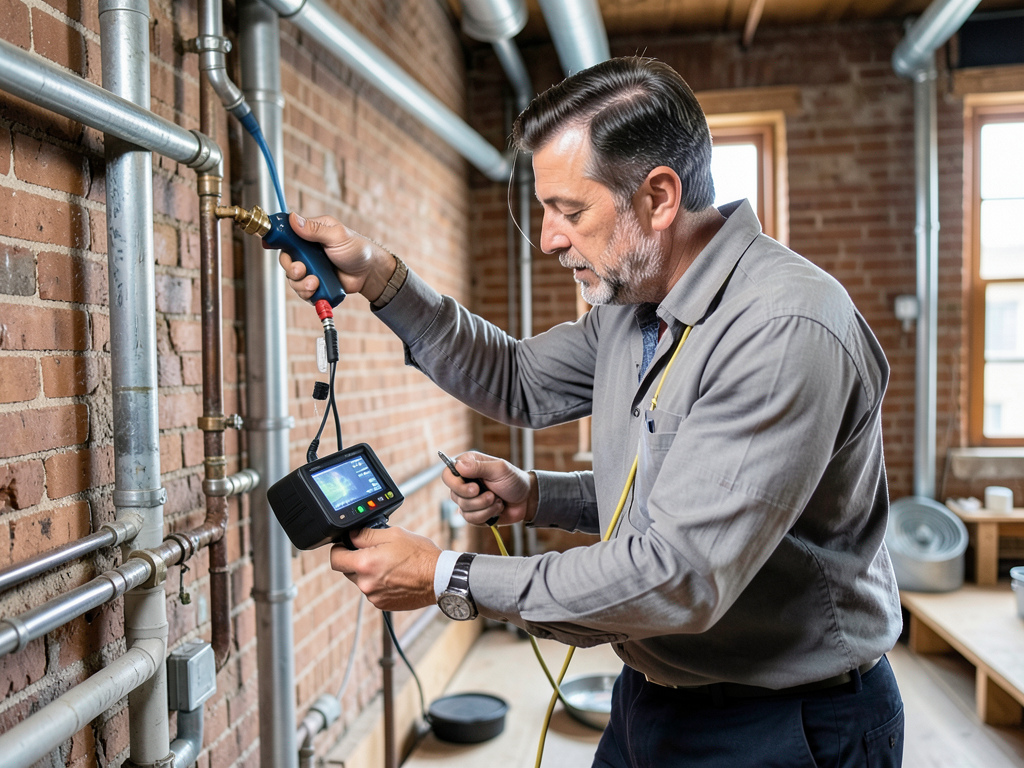
First, we test electrical continuity on heating elements using a multimeter. A failed heating element shows infinite resistance, meaning no current flows through the circuit. This is the most common cause of no hot water in electric tank systems. We also measure voltage at the element terminals to confirm the breaker and wiring deliver power correctly.

For gas units, we inspect the thermocouple and gas valve assembly. The thermocouple generates a small electrical current when heated by the pilot flame. If this current drops below threshold, the gas valve shuts off fuel supply as a safety measure. A faulty thermocouple means the pilot lights but the main burner never ignites. We test the millivolt output and replace the component if it reads below 20 millivolts.

We drain a sample from the tank drain valve to check sediment levels and water quality. Heavy sediment means the tank needs flushing or the anode rod has deteriorated completely. The anode rod sacrifices itself to prevent tank corrosion, and once it depletes, rust eats through the steel lining within months.

Pressure and temperature testing reveals whether the system maintains safe operating limits. We check the T&P relief valve for proper operation and verify the thermostat maintains setpoint without wide temperature swings. A malfunctioning thermostat cycles the system erratically, wasting energy and shortening component life.

Peak Plumbing St. Louis technicians carry diagnostic equipment in every truck. We do not need to schedule a follow-up visit or order special tools. We identify causes of no hot water on the first call and provide you with a clear explanation of the failure and repair options.

What Happens During Your Water Heater Diagnostic Visit

No Hot Water Diagnosis in St. Louis – Fast Expert Analysis Gets Your System Running Again
01

Initial System Inspection

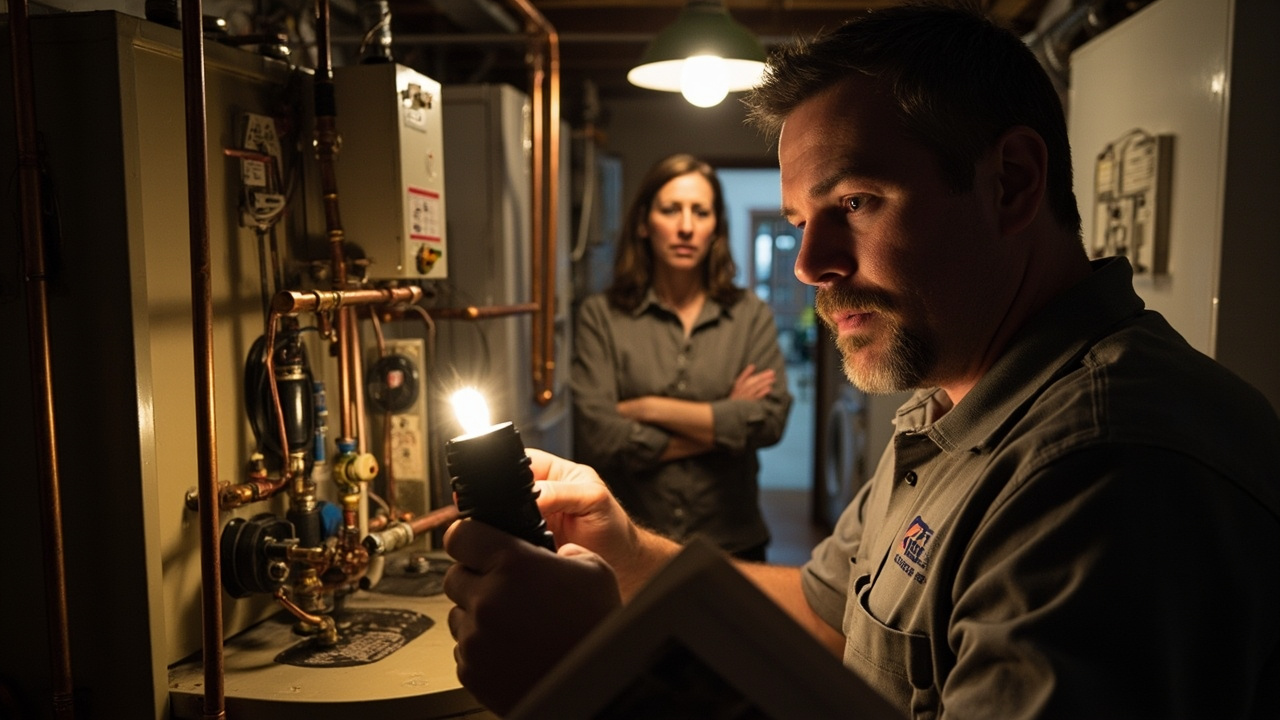
Our technician examines your water heater installation for visible damage, corrosion, or leaks. We check the manufacture date on the data plate to determine the unit's age and expected remaining service life. We also verify proper venting on gas units and inspect electrical connections on electric models. This visual assessment often reveals safety hazards or code violations that need immediate attention before proceeding with diagnostic testing.
02

Component Testing and Measurement

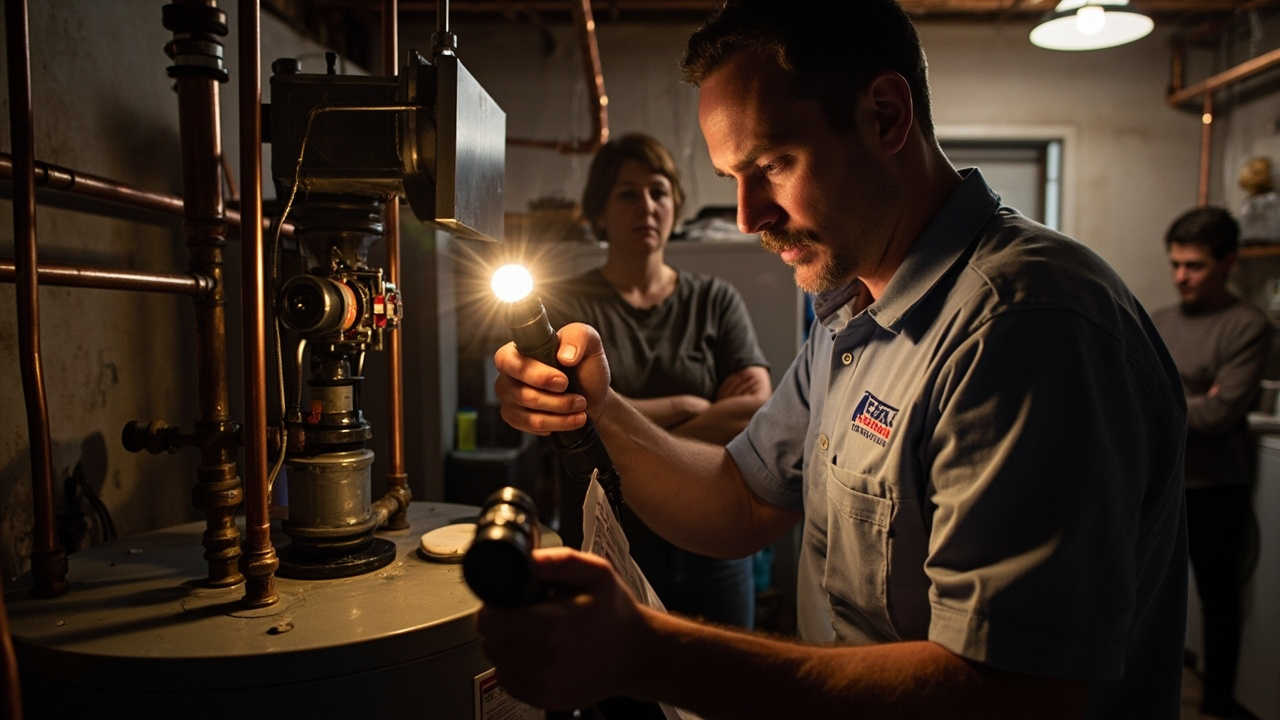
We use specialized meters and gauges to test each component that affects hot water production. For electric systems, this includes heating elements, thermostats, and high-limit switches. For gas systems, we test the thermocouple, gas valve, pilot assembly, and burner flame pattern. We measure incoming water pressure and temperature to establish baseline conditions. Each test provides data that narrows down the failure point until we identify the exact cause.
03

Diagnosis Report and Options

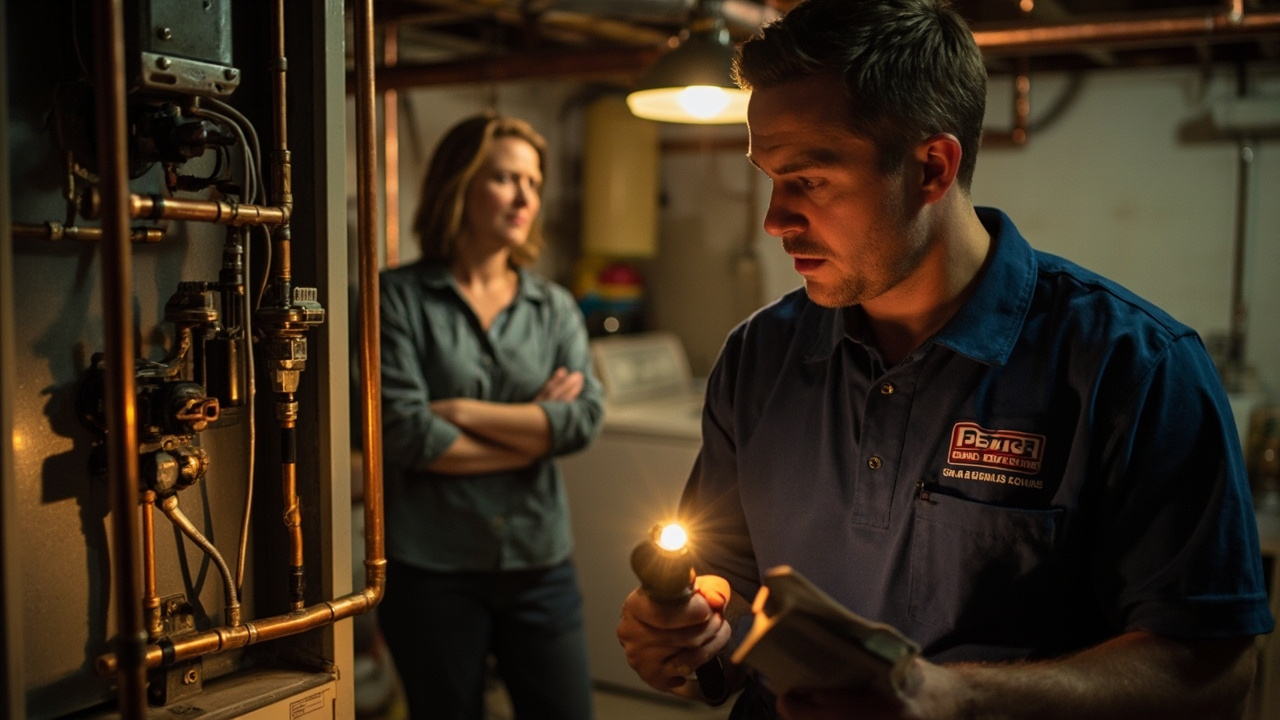
Once we complete testing, we explain what failed and why. We provide repair cost estimates and compare them to replacement costs if the unit is near end of life. You receive honest advice based on the system's condition and your budget. We do not push unnecessary replacements. If a simple component swap restores function, we tell you. If the tank is corroded beyond repair, we explain that too. You make the final decision with complete information.

Why St. Louis Residents Trust Peak Plumbing for Water Heater Diagnostics

St. Louis plumbing systems face unique challenges that out-of-town contractors miss. Our technicians understand how the region's water chemistry affects water heater longevity. We know which neighborhoods receive the hardest water and which brands of water heaters hold up best in these conditions.

The city's housing stock includes everything from historic brick homes in Soulard to new construction in Wildwood. Each era of building brings different plumbing configurations. We have diagnosed water heater problems in every type of installation, from basement mechanical rooms to attic-mounted units in ranch homes. This experience means we recognize unusual setups and adapt our diagnostic process accordingly.

St. Louis enforces the International Plumbing Code with local amendments. These amendments specify requirements for earthquake straps, pressure relief valve discharge piping, and combustion air supply that differ from standard IPC provisions. We stay current on these code updates because we pull permits for replacement work throughout St. Louis City and County. A proper diagnosis includes identifying code violations that create safety risks or prevent proper system operation.

We also understand the economic reality for St. Louis families. The median home value here runs below national averages, which means homeowners prioritize value over premium upgrades. We focus on cost-effective repairs when possible and honest assessments of when replacement makes more financial sense than repeated repairs.

Peak Plumbing St. Louis maintains relationships with local supply houses, which means we get parts faster than national chains. When we identify a failed component, we often have the replacement part on the truck or can source it within hours. This speed minimizes your time without hot water.

Our diagnostic service rate includes the full inspection and testing process. If you approve repairs on the same visit, we credit the diagnostic fee toward the repair cost. This policy ensures you get fair pricing without hidden fees or inflated service call charges.

What to Expect When You Schedule a Diagnostic

Same-Day Service Availability

We schedule diagnostic appointments within 24 hours of your call, and same-day slots are available for urgent situations. Most diagnostics take 45 to 90 minutes depending on system complexity and access. We provide arrival windows and call 30 minutes before the technician reaches your home. You do not waste a full day waiting for service. Our technicians carry common replacement parts, so if the diagnosis reveals a simple fix like a failed heating element or thermocouple, we can often complete the repair immediately with your approval.

Comprehensive System Assessment

The diagnostic process examines every component that affects hot water production. We test electrical systems for proper voltage and grounding. We inspect gas systems for proper combustion and venting. We check water quality and sediment accumulation. We measure system pressure and verify safety device operation. You receive a written report documenting our findings, including photos of damaged components when relevant. This documentation helps you understand the problem and provides records for warranty claims or home sale disclosures if needed.

Clear Repair or Replacement Options

We present all available options with transparent pricing. If repair is viable, we provide a fixed-price quote for parts and labor. If replacement is more economical, we quote multiple water heater models at different price points so you can choose the best fit for your budget and needs. We explain the pros and cons of each option without pushing the most expensive solution. Our goal is restoring your hot water quickly and affordably. You never face surprise charges or pressure to upgrade beyond what your situation requires.

Follow-Up Support and Maintenance Guidance

After completing repairs or replacement, we provide maintenance recommendations specific to your system and water conditions. For St. Louis homes with hard water, this typically includes annual tank flushing and anode rod inspection. We also explain warning signs that indicate developing problems so you can address issues before they cause complete failure. Our office maintains service records for your property, making it easy to track maintenance history and schedule follow-up appointments. You can call us anytime with questions about your water heater's operation or performance.

Frequently Asked Questions

You Have Questions,
We Have Answers

What is the most common cause of no hot water? +

A failed heating element is the most common culprit for no hot water in St. Louis homes. Electric water heaters rely on two elements that burn out over time. Gas units often lose hot water when the pilot light goes out or the thermocouple fails. Sediment buildup from our hard municipal water supply can also coat elements and reduce efficiency. A tripped breaker or blown fuse may cut power to electric units. If you have a tank older than 10 years, corrosion or a failing thermostat may be the root cause.

How to diagnose no hot water? +

Start by checking your breaker box. A tripped breaker is the easiest fix. For gas units, verify the pilot light is lit. Check the temperature setting on your thermostat. It should read 120 degrees. Feel the tank. If the bottom is warm but the top is cold, the upper element failed. Listen for gurgling or popping sounds that signal sediment buildup. Test your water pressure at multiple faucets. Low pressure at hot taps only points to a clogged dip tube. If these checks reveal nothing, call a licensed plumber for a diagnostic.

Is it an emergency if you don't have hot water? +

No hot water is not a life-threatening emergency, but it can be urgent depending on your situation. If you have infants, elderly family members, or medical needs requiring hot water, get help fast. In St. Louis winters, frozen pipes may be the cause, which becomes an emergency if pipes burst. For most households, no hot water is inconvenient but not critical. You can wait until morning for service. If the water heater is leaking or you smell gas, evacuate and call a professional immediately. That is a true emergency.

Why is my hot water not working but cold is? +

Cold water works because it bypasses the water heater entirely. Your hot water system has separate components that can fail. The dip tube may have cracked, allowing cold water to mix at the top instead of heating at the bottom. A failed heating element in an electric unit stops heat production while cold water flows normally. Gas water heaters lose hot water when the burner assembly malfunctions. In St. Louis homes with older galvanized pipes, sediment may clog the hot water outlet line. The thermostat may also be set too low or malfunctioning.

How St. Louis Hard Water Accelerates Water Heater Failure

St. Louis receives water from the Mississippi River and Missouri River systems, both of which carry high mineral content from limestone and chalk deposits throughout the watershed. The average hardness measures 12 to 15 grains per gallon, classified as hard to very hard. This mineral load creates scale buildup on heating elements and tank interiors at an accelerated rate. A water heater in St. Louis may accumulate enough sediment to cause malfunction symptoms within three to five years, while the same unit in a soft water area might operate trouble-free for eight to ten years. Regular diagnosis of water quality issues helps prevent premature failure.

Peak Plumbing St. Louis specializes in water heater service for homes throughout the metro area, from Clayton to Ballwin to South County. We understand the specific challenges local water chemistry creates and recommend solutions proven effective in this region. Our technicians receive ongoing training on the latest diagnostic techniques and repair methods for both traditional tank and tankless systems. When you call us to troubleshoot water heater problems, you work with professionals who have diagnosed thousands of units in St. Louis homes and know exactly what to look for based on your neighborhood and water source.
Plumbing Services in The St. Louis Area

Peak Plumbing St. Louis is proud to serve the entire St. Louis metropolitan area and surrounding communities. Our dedicated team is strategically located to respond quickly to your residential and commercial plumbing needs. You can view our primary service area on the map below, but if you're located nearby and have a plumbing issue, don't hesitate to give us a call to see how we can assist you.

Address:
Peak Plumbing St. Louis, 4565 McRee Ave, St. Louis, MO, 63110

Additional Services We Offer

Our news updates

Latest Articles & News from The Blogs

Modernizing the Plumbing in a 100 Year Old Hyde Park Kitchen Hyde Park's historic charm comes with a unique plumbing…

Modernizing the Plumbing in a 100 Year Old Hyde Park Kitchen

Modernizing the Plumbing in a 100 Year Old Hyde Park Kitchen Hyde Park's historic charm comes with a unique plumbing…

Why Your Forest Park Southeast Condo Needs a Water Pressure Regulator

Why Your Forest Park Southeast Condo Needs a Water Pressure Regulator Living in a Forest Park Southeast condo means enjoying…

The Best Way to Hide Exposed Plumbing in Your Soulard Loft

The Best Way to Hide Exposed Plumbing in Your Soulard Loft Exposed pipes in your Soulard loft can clash with…

Contact Us

Do not spend another day without hot water. Peak Plumbing St. Louis provides fast, accurate diagnostics that identify the exact cause of your water heater failure. Call (314) 417-7677 now to schedule same-day service and get clear answers about your system.