



Menu

Cold Water Sandwich Effect in St. Louis – Expert Diagnosis and Permanent Fixes for Tankless Temperature Fluctuation

Peak Plumbing St. Louis eliminates the cold water sandwich effect plaguing your tankless system with precision diagnostics and flow optimization that stops those shocking cold water bursts mid-shower.

Slider Image 1
Slider Image 2
Slider Image 3
Slider Image 4
Slider Image 5
Slider Image 7
Slider Image 8
Slider Image 9
Slider Image 10
Slider Image 11

Why Your Tankless Water Heater Blasts You with Cold Water Between Hot Bursts

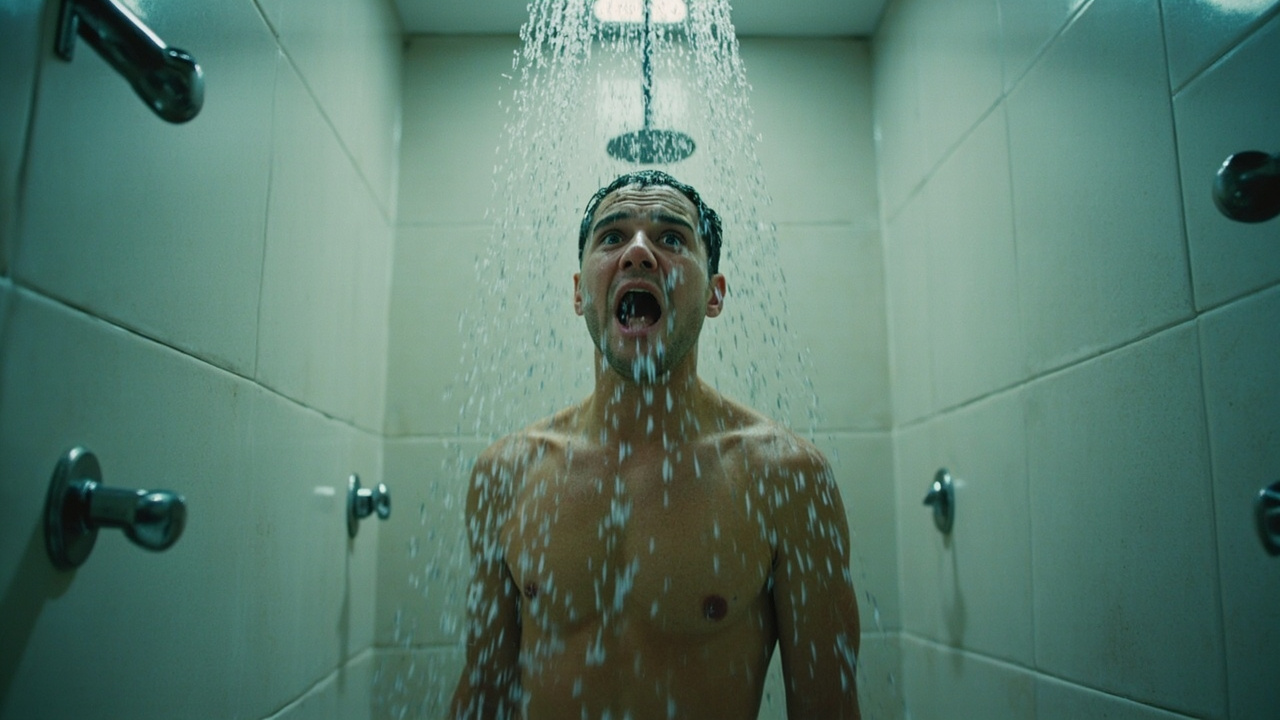
You turn on the shower. Hot water flows. Then suddenly, a shocking blast of cold water hits you for three to five seconds before hot water returns. This is the cold water sandwich effect, and it is not a defect. It is a timing gap built into how tankless systems operate.

Here is what happens. When you briefly stop water flow, like turning off the faucet to lather soap, your tankless unit shuts down the burner. The hot water sitting in the pipes between the heater and your shower head drains out. When you turn the water back on, the unit takes a few seconds to reignite and reheat the incoming water. During that lag, cold water stored in the pipes pushes through. That is your cold water slug.

St. Louis homes with longer pipe runs from the basement or garage to second-floor bathrooms experience worse tankless temperature fluctuation. The more distance between your tankless unit and the fixture, the longer the cold water burst lasts. Older homes in neighborhoods like Soulard and Lafayette Square, with their multi-story layouts and extended plumbing runs, see this problem more than single-story ranch homes.

The intermittent cold water tankless issue frustrates families who switched from tank heaters expecting endless comfort. You get endless hot water, but the delivery has a flaw. The good news is that the cold water sandwich is solvable. You do not need to replace your unit. You need the right fix.

Why Your Tankless Water Heater Blasts You with Cold Water Between Hot Bursts
How We Eliminate the Cold Water Sandwich Without Replacing Your Tankless Unit

How We Eliminate the Cold Water Sandwich Without Replacing Your Tankless Unit

Most plumbers tell you to live with the tankless cold water sandwich or rip out your system and go back to a tank. We fix the root cause.

First, we calculate your system's activation flow rate. Most tankless units require 0.5 to 0.75 gallons per minute before the burner ignites. If your flow rate drops below that threshold during brief pauses, the unit shuts off. We install low-flow restrictors or upgrade shower heads to maintain minimum flow during normal use, keeping the burner active.

Second, we evaluate pipe length and insulation. Homes with 40-plus feet of uninsulated copper between the heater and fixtures lose heat fast. We insulate hot water lines with closed-cell foam to reduce standby heat loss. This keeps residual water in the pipes warmer, shortening the cold water slug duration.

Third, we install a small buffer tank between the tankless unit and your main distribution line. This two-gallon electric tank holds preheated water and eliminates the ignition delay. You get instant hot water while the tankless unit ramps up. This is the most effective solution for homes with multiple bathrooms or long pipe runs.

Fourth, we check for crossover flow. A failing cartridge in a single-handle faucet or a broken shower valve can allow cold water to backfeed into your hot line. This triggers the cold water burst even when your tankless unit is functioning correctly. We pressure-test your fixtures to rule out crossover before making equipment changes.

We do not guess. We measure flow rates, calculate BTU demand, and map your plumbing layout. Then we apply the correct fix for your specific system and home configuration.

Our Three-Step Process to Stop Your Tankless Temperature Swings

Cold Water Sandwich Effect in St. Louis – Expert Diagnosis and Permanent Fixes for Tankless Temperature Fluctuation
01

System Flow Analysis

We test your tankless unit's activation threshold using calibrated flow meters at each fixture. This tells us if your shower or faucet drops below the minimum GPM needed to keep the burner firing. We also measure pipe length and diameter from the heater to your most-used fixtures. This data determines whether flow optimization or a buffer tank is the right solution for your home.
02

Targeted Solution Installation

Based on diagnostic results, we install the appropriate fix. For homes with marginal flow rates, we upgrade fixtures or add flow restrictors. For homes with long pipe runs, we insulate lines or install a small recirculation loop. For severe cases with multiple bathrooms, we add a buffer tank to bridge the ignition delay. Every solution is chosen for your specific plumbing layout and usage patterns.
03

Performance Verification Testing

After installation, we simulate real-world usage. We turn fixtures on and off rapidly to replicate the conditions that trigger cold water bursts. We monitor output temperature with infrared thermometers to confirm consistent hot water delivery. You see the fix work before we leave. We also walk you through any operational changes, like maintaining steady flow during showers to prevent burner shutdown.

Why St. Louis Homeowners Trust Peak Plumbing for Tankless Troubleshooting

Most plumbers treat the cold water sandwich effect like a nuisance you should tolerate. We treat it like the solvable engineering problem it is.

St. Louis homes present unique challenges for tankless systems. The mix of pre-war two-story brick homes in the Central West End and mid-century split-levels in South County means no two plumbing layouts are identical. Pipe runs vary wildly. Some homes have 15 feet between the heater and shower. Others have 60 feet with multiple elbows and vertical lifts. That distance determines how severe your cold water burst will be.

We have worked in enough St. Louis homes to know which neighborhoods have longer runs and which have compact layouts. That experience lets us diagnose faster and recommend the right fix the first time. We do not sell you a buffer tank when a flow restrictor will solve the problem. We do not insulate pipes when crossover flow is the real issue.

Our technicians carry flow meters, pipe insulation, buffer tanks, and pressure gauges on every truck. We fix the problem the same day in most cases. No return trips. No guessing.

We also understand how St. Louis water quality affects tankless performance. The moderately hard water from the Missouri River and Mississippi River sources causes mineral buildup on heat exchangers. That buildup reduces efficiency and worsens ignition delays. We descale your heat exchanger during service to restore full BTU output, which shortens the cold water sandwich duration.

You called us because you are tired of cold water blasts mid-shower. We eliminate them. That is the entire focus.

What Happens When You Schedule a Cold Water Sandwich Repair

Same-Day Diagnostic Appointments

We schedule your diagnostic visit within 24 hours in most cases. The evaluation takes 45 to 90 minutes depending on your home layout and the number of fixtures we need to test. We arrive with flow meters, pressure gauges, and infrared thermometers to measure your system's actual performance under real-world conditions. You get a detailed explanation of what is causing your cold water bursts and a flat-rate quote for the repair before we start any work.

Detailed Flow and Pressure Testing

We test each fixture where you experience the cold water sandwich. We measure GPM at the shower head, bathroom sink, and kitchen faucet. We check static and dynamic water pressure to rule out pressure fluctuations that might trigger the cold water burst. We also inspect your tankless unit for scale buildup, improper venting, or incorrect gas pressure. This comprehensive assessment identifies the exact cause so we can apply the correct fix, not a generic band-aid.

Permanent Temperature Stabilization

After installation, your hot water delivery becomes consistent. No more cold water slugs when you pause the shower to shampoo. No more temperature fluctuations when someone flushes a toilet or starts the dishwasher. Your tankless system delivers the endless hot water you paid for without the frustrating interruptions. We verify performance with live testing before we leave. You experience the fix in real time, not just trust that it worked.

Annual Descaling and Maintenance Plans

Tankless systems require annual descaling to maintain peak performance. Mineral buildup on the heat exchanger reduces BTU output and worsens ignition delays, making the cold water sandwich worse over time. We offer maintenance plans that include annual descaling, burner inspection, and flow sensor cleaning. Regular maintenance extends your unit's lifespan and prevents the cold water sandwich from returning. We remind you when service is due so you never have to track the schedule yourself.

Frequently Asked Questions

You Have Questions,
We Have Answers

What is the cold water sandwich effect? +

The cold water sandwich effect happens with tankless water heaters when you turn off the hot water briefly, then turn it back on. Residual hot water sits in the pipes while the heater shuts down. When you restart the tap, you get hot water first, followed by cold water that was already in the line, then hot again once the unit fires back up. This creates a jarring burst of cold water mid-shower. It frustrates St. Louis homeowners during winter months when even a few seconds of cold water feels unbearable.

How to get rid of cold water sandwich? +

You can minimize the cold water sandwich effect by installing a small recirculation system or adding a mini-tank buffer to your tankless unit. Some newer tankless models have built-in buffer tanks that reduce this issue. Adjust your heater settings to maintain a longer flame-on cycle. You can also coordinate shower usage to avoid frequent on-off cycles. St. Louis plumbers often recommend upgrading to hybrid systems that combine tankless efficiency with storage capacity. Proper installation and sizing for your household demand also reduce the problem significantly.

What is the downside to tankless water? +

Tankless water heaters have several downsides beyond the cold water sandwich effect. They require higher upfront costs compared to traditional tank models. Installation often demands electrical upgrades or larger gas lines, adding expense. They struggle to supply multiple simultaneous demands like running a dishwasher and shower together. St. Louis homes with older plumbing may need pipe replacements to handle flow rates. Hard water common in Missouri can cause mineral buildup, requiring annual descaling maintenance. Cold groundwater temperatures in winter also reduce efficiency and output.

Why do people eat water sandwiches? +

This question seems unrelated to plumbing. Water sandwiches refer to a viral internet food trend involving bread and water, not a plumbing phenomenon. If you searched this term hoping to understand the cold water sandwich effect with tankless water heaters, that describes the temperature fluctuation issue when hot water delivery gets interrupted by cold water between heating cycles. The term sandwich describes the layering of hot-cold-hot water. It has nothing to do with actual food consumption.

What happens after 30 days of cold showers? +

This question addresses health topics outside plumbing expertise. Cold showers may affect circulation, immune response, and mood according to health studies, but these outcomes do not relate to water heater performance or the cold water sandwich effect. If you experience unwanted cold water bursts during showers in your St. Louis home, that signals a plumbing issue requiring professional diagnosis. A licensed plumber can evaluate your tankless system, check for proper sizing, and recommend solutions to maintain consistent hot water temperature throughout your shower.

Do cold showers help burn fat? +

This question falls outside plumbing scope. Fat burning relates to metabolism and exercise, not water heater function. If you searched this hoping to understand cold water issues with your tankless heater, the cold water sandwich effect describes temperature fluctuations caused by heating cycles, not intentional cold exposure. St. Louis homeowners experiencing unexpected cold water during showers should contact a qualified plumber to inspect their tankless unit, check flow rates, and verify proper installation rather than tolerate uncomfortable temperature swings.

Why does Chinese medicine say not to drink cold water? +

This question addresses traditional Chinese medicine philosophy, not plumbing systems. Cold water consumption beliefs stem from cultural health practices unrelated to the cold water sandwich effect. If you searched this term while experiencing cold water bursts from your tankless heater, that indicates a mechanical issue with your system. St. Louis residents dealing with temperature fluctuations should have a plumber examine their tankless water heater installation, evaluate buffer tank options, and ensure the unit matches household demand rather than attribute the problem to health theories.

How to recover from cold water shock? +

Cold water shock recovery involves medical treatment for hypothermia and requires immediate emergency response, not plumbing service. This differs completely from the cold water sandwich effect in tankless water heaters. If someone experiences dangerous cold water exposure, call 911 immediately. Move them to warmth, remove wet clothing, and provide gradual rewarming. Do not apply direct heat. For plumbing-related cold water problems in your St. Louis home, contact a licensed plumber to diagnose tankless heater issues and restore consistent hot water delivery.

What is the 1 10 1 rule for cold water? +

The 1-10-1 rule describes cold water immersion survival: you have one minute to control breathing, ten minutes of meaningful movement before losing muscle function, and one hour before unconsciousness from hypothermia. This safety guideline applies to accidental cold water exposure, not plumbing issues. It has no connection to the cold water sandwich effect from tankless water heaters. If you face unexpected cold water during showers in St. Louis, you need a plumber to inspect your system, not cold water survival training.

Why do plumbers not recommend tankless water heaters? +

Many plumbers hesitate to recommend tankless water heaters because they require complex installation, frequent maintenance, and higher upfront costs. St. Louis hard water accelerates mineral buildup, demanding annual descaling. Tankless units struggle with simultaneous demand and deliver inconsistent temperatures during the cold water sandwich effect. Traditional tank heaters offer simpler repairs, lower installation costs, and reliable performance. Older St. Louis homes often need expensive electrical or gas line upgrades to support tankless models. Some plumbers prefer recommending proven technology over units requiring specialized training and callbacks.

How St. Louis Water Hardness Worsens Tankless Cold Water Bursts

St. Louis water averages 7 to 10 grains per gallon of hardness, depending on whether your supply comes from the Missouri River or the Mississippi River. That moderate hardness causes calcium carbonate and magnesium scale to accumulate on tankless heat exchangers faster than in soft water regions. As scale builds up, your unit's BTU output drops. The burner takes longer to heat incoming water to your set temperature. That longer ignition delay extends the duration of your cold water sandwich. Homes without water softeners experience worse tankless temperature fluctuation over time as scale chokes the heat exchanger's narrow passages.

Peak Plumbing St. Louis has diagnosed and repaired cold water sandwich issues in hundreds of local homes. We know which tankless brands handle St. Louis water better and which models fail faster. We know that homes in older neighborhoods like Tower Grove and the Hill often have longer pipe runs that worsen the cold water burst. We carry the parts and equipment needed to fix your system the same day. Our technicians train specifically on tankless troubleshooting, not just generic water heater repair. That specialized knowledge means we solve your problem correctly the first time.

Plumbing Services in The St. Louis Area

Peak Plumbing St. Louis is proud to serve the entire St. Louis metropolitan area and surrounding communities. Our dedicated team is strategically located to respond quickly to your residential and commercial plumbing needs. You can view our primary service area on the map below, but if you're located nearby and have a plumbing issue, don't hesitate to give us a call to see how we can assist you.

Address:
Peak Plumbing St. Louis, 4565 McRee Ave, St. Louis, MO, 63110

Additional Services We Offer

Our news updates

Latest Articles & News from The Blogs

How to Stop Your Kirkwood Basement Bar Ejector Pump From Failing \n\n Your basement bar is the heart of your…

How to Stop Your Kirkwood Basement Bar Ejector Pump From Failing

How to Stop Your Kirkwood Basement Bar Ejector Pump From Failing \n\n Your basement bar is the heart of your…

Why a Pre-Listing Plumbing Inspection is Essential for Selling Your Huntleigh Home

Why a Pre-Listing Plumbing Inspection is Essential for Selling Your Huntleigh Home Selling a home in Huntleigh requires more than…

Why Your Spanish Lake Shower Has Terrible Water Pressure

Why Your Spanish Lake Shower Has Terrible Water Pressure Nothing ruins a morning like stepping into a shower that barely…

Contact Us

Call Peak Plumbing St. Louis at (314) 417-7677 right now. We will schedule your diagnostic visit within 24 hours and eliminate your tankless cold water sandwich with the right fix for your home. No more shocking cold bursts mid-shower.