
Preparing Your Dogtown Sump Pump for the Next Big Rainstorm
Dogtown’s location near Forest Park and its clay-heavy soil create unique drainage challenges when St. Louis storms hit. The steep slopes along Oakland Avenue and the area’s aging infrastructure mean water can rush toward your foundation faster than you expect. A properly maintained sump pump isn’t just a convenience—it’s your first defense against basement flooding during Missouri’s intense spring downpours. St. Louis County Plumbing Code.
Your pump needs to be ready before the first raindrop falls. Waiting until water pools around your foundation means you’re already behind schedule. This guide covers Dogtown-specific sump pump preparation, from testing your system to choosing the right backup power options for our frequent power outages. EPA Septic and Sump Pump Guidelines.
Why Dogtown Homes Face Greater Sump Pump Risk
The combination of Dogtown’s topography and soil composition creates a perfect storm for basement water issues. The area sits in a natural drainage path where water from the surrounding hills flows toward the River des Peres valley. During heavy rains, this water moves quickly across the surface and seeps into the ground, overwhelming older drainage systems. Water Heater Repair & Installation.
Dogtown’s soil contains high clay content, which St. Louis County studies show retains water longer than sandy soils. This means the ground around your foundation stays saturated for extended periods after rain stops. Your sump pump must work harder and longer to keep up with this persistent moisture.
Many Dogtown homes were built between the 1920s and 1960s when building codes didn’t require the same drainage protections we use today. These older foundations often have hairline cracks that widen under pressure from saturated soil. The combination of age, soil pressure, and poor drainage creates conditions where a single pump failure can lead to significant water damage.
Call (314) 417-7677 today to schedule your sump pump inspection before the next storm hits.
Testing Your Current System: The Screwdriver Test
Before you can prepare for the next storm, you need to know if your current system works. The most reliable test takes just five minutes and reveals problems that visual inspections miss.
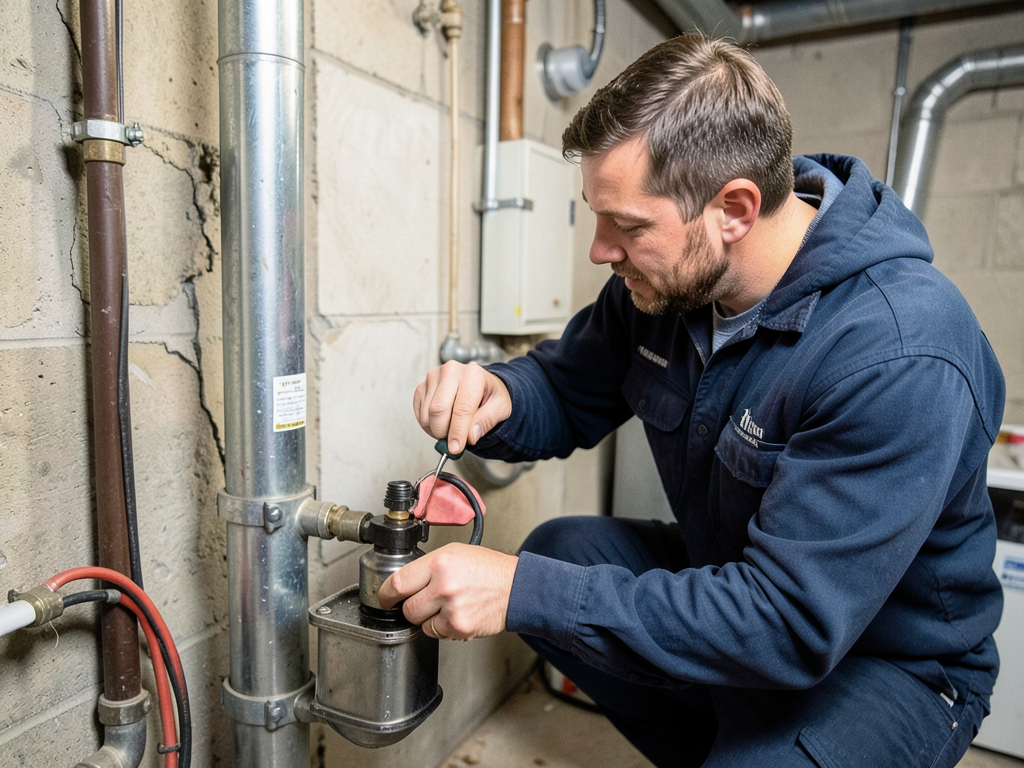
Start by locating your sump pit, usually in the basement floor near an exterior wall. Remove the cover and look for the float switch—this is the device that rises with water level and triggers the pump. Pour a five-gallon bucket of water slowly into the pit until the float rises. A working pump should activate within seconds and begin removing water.. Read more about Planning Your Basement Bathroom Rough-In for an Arnold Home Remodel.
Listen for the sound of the motor starting. A healthy pump produces a steady humming noise. If you hear clicking, grinding, or nothing at all, your motor may be failing. Also check for vibrations in the discharge pipe—excessive vibration often indicates a failing bearing or impeller.
After the pump stops, check the check valve (a one-way valve on the discharge pipe). Pour another gallon of water into the pit. If the water level rises and doesn’t trigger the pump, your check valve may be stuck open, allowing water to flow back into the pit after each cycle.
St. Louis County plumbing code requires that all sump pump discharge pipes exit at least ten feet from the foundation. Measure the distance from your discharge point to the nearest foundation wall. If it’s less than ten feet, water can cycle back into your basement through the soil. Replacing Old Iron Pipes in Historic Webster Groves Homes.
<img decoding="async" src="
” alt=”Technician performing the screwdriver test on a sump pump float switch in a Dogtown basement, checking for proper activation and water removal” />
Essential Maintenance for St. Louis Weather
Dogtown’s weather patterns create specific maintenance needs that differ from other St. Louis neighborhoods. Our area experiences more freeze-thaw cycles than neighborhoods closer to the river, which puts additional stress on discharge pipes and connections.
Clean your sump pit annually, removing debris that can clog the pump or damage the impeller. Dogtown’s older homes often have construction debris in the pit from decades ago—bits of concrete, gravel, or even broken tools can interfere with pump operation. Use a wet-dry vacuum to remove the last few inches of water and debris from the bottom of the pit.
Check your discharge pipe for ice buildup during winter months. When temperatures drop below freezing, water in the pipe can freeze and block flow. This causes the pump to run continuously, potentially burning out the motor. Install a heat tape along the discharge pipe if you’ve had freezing issues in previous winters.
Missouri’s spring storms often bring power outages that coincide with the heaviest rainfall. Test your battery backup system monthly by unplugging your main pump and pouring water into the pit. The backup should activate automatically. If it doesn’t, replace the battery—most backup batteries need replacement every three to five years.
According to the International Plumbing Code Section 1103.3, sump pump discharge cannot connect to sanitary sewer systems. Many older Dogtown homes have illegal connections that can back up during heavy rains. Look for any pipes connecting your sump discharge to other plumbing—these need professional removal to meet current code. Plumbing Florissant.
Choosing the Right Backup Power System
When St. Louis storms knock out power, your sump pump becomes useless unless you have backup power. Dogtown’s location means we often experience longer outages than other parts of the city due to our older electrical infrastructure along Manchester Road and surrounding areas.
Battery backup systems provide the most reliable protection for most Dogtown homes. A quality 12-volt system can run your pump for 24-48 hours during a power outage. Look for systems with automatic transfer switches that activate instantly when power fails. The battery should be maintenance-free and rated for deep cycling.
Water-powered backup pumps offer an alternative for homes with municipal water service. These pumps use water pressure to create suction and remove water from your pit. They work as long as water pressure remains, which can be several days during widespread outages. However, they increase your water bill and may not work if municipal pressure drops during major storms.
Whole-house generators provide the most comprehensive protection but require significant upfront investment. A properly sized generator can power your entire home, including multiple sump pumps if you have a larger basement. For Dogtown’s typical 1,200-2,000 square foot basements, a 7-10 kilowatt generator usually suffices for essential systems.
Compare the three backup options in the table below to determine which best fits your needs and budget.
| Backup Type | Runtime | Cost Range | Best For |
|---|---|---|---|
| Battery Backup | 24-48 hours | $400-$800 | Most Dogtown homes |
| Water-Powered | Unlimited (with water) | $300-$500 | Homes with good water pressure |
| Whole-House Generator | Unlimited (with fuel) | $3,000-$8,000 | Larger homes, frequent outages |
When to Replace vs. Repair Your Pump
Deciding whether to repair or replace your sump pump depends on several factors specific to Dogtown’s conditions. The age of your system, the frequency of use, and the quality of your current equipment all play important roles in this decision.
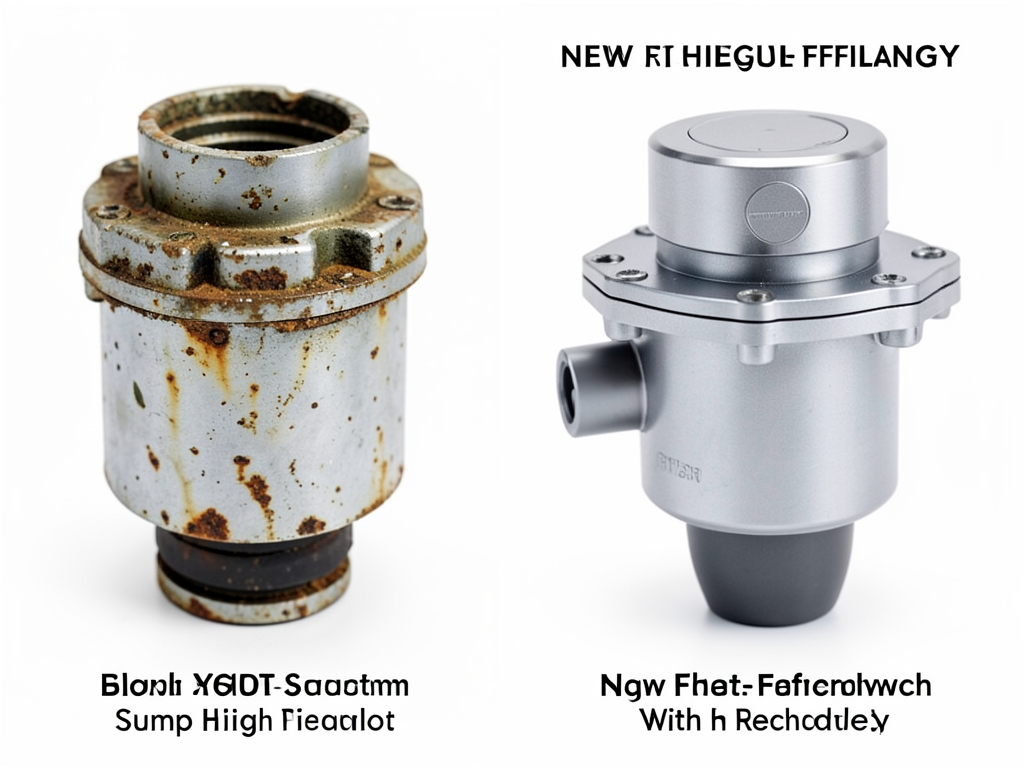
Pumps older than seven years typically warrant replacement rather than repair. Modern pumps offer significantly better efficiency and reliability than units from even a decade ago. If your pump runs more than once per hour during normal conditions, the constant cycling indicates wear that often makes replacement more cost-effective than repair.
Listen to your pump during operation. A healthy pump produces a consistent hum. If you hear rattling, grinding, or screeching sounds, internal components are likely failing. These noises often indicate problems with bearings, impellers, or the motor that are expensive to repair and may fail completely during the next heavy rain.
Check your electricity usage. A failing pump often draws more power as it struggles to operate, which can increase your electric bill. Use a watt meter to measure your pump’s power consumption. If it’s drawing 20% more power than when new, replacement is usually the better option.
Consider the age of your discharge pipe and check valve. If these components are original to the house, replacing them along with the pump ensures the entire system works efficiently. Old pipes can leak or collapse, negating the benefits of a new pump.
<img decoding="async" src="
” alt=”Comparison of a seven-year-old sump pump showing wear and corrosion versus a new high-efficiency model with modern float switch technology” />
Preparing for the Spring Storm Season
Dogtown’s storm season typically runs from March through June, with peak rainfall in April and May. The National Weather Service reports that St. Louis receives an average of 4-5 inches of rain during the wettest spring months, with occasional thunderstorms dropping several inches in just a few hours.
Create a storm preparation checklist specific to your home’s needs. Start by testing all backup systems at the beginning of storm season. Replace batteries that are more than three years old, even if they seem to hold a charge. Clean your sump pit thoroughly and check all electrical connections for corrosion or damage.
Install water alarms in your basement as an early warning system. Place them near the sump pit, in low spots where water might collect, and near any basement windows. These battery-powered devices sound an alarm when they detect moisture, giving you time to respond before significant damage occurs.
Know where your main water shutoff valve is located. During flooding, municipal water systems can experience pressure drops that allow contaminated water to enter supply lines. Being able to shut off your water quickly protects your home’s drinking water supply and prevents additional flooding from burst pipes.
Keep emergency contact numbers posted near your main electrical panel. Include your plumber, electrician, and insurance company. During widespread storms, these services become overwhelmed quickly, so having numbers ready saves valuable time when you need help.
Common Problems and Quick Fixes
Even well-maintained sump pumps can develop problems. Knowing how to identify and sometimes fix common issues can save you from flooding while you wait for professional help.
If your pump runs continuously but doesn’t remove water, check for a stuck float switch. Debris in the pit can prevent the float from dropping back to its resting position. Remove any visible debris and manually lift and lower the float to ensure smooth operation.
A pump that hums but doesn’t pump water often has a jammed impeller. Turn off power to the pump, disconnect the discharge pipe, and manually rotate the impeller. If it won’t turn freely, debris may be caught in the blades or the impeller may be broken.
If water backs up through the discharge pipe, your check valve may be failing. During heavy rains, this allows water to flow back into the pit after each pump cycle, causing the pump to run continuously. Listen for water flowing back through the pipe immediately after the pump stops—this indicates a bad check valve.
Strange odors from your sump pit often indicate bacterial growth in stagnant water. Pour a cup of bleach into the pit and let it sit for 30 minutes before running the pump. This kills odor-causing bacteria and helps prevent future growth.
For more information about basement flooding prevention in other St. Louis neighborhoods, see our guide on preventing basement flooding in Ballwin.
Professional Installation and Code Compliance
Professional installation ensures your sump pump system meets all current building codes and manufacturer specifications. In Dogtown, this means compliance with both the International Plumbing Code and any additional requirements from the City of St. Louis building department. Plumbing Clayton.
Missouri plumbing code requires that all sump pump installations include proper grounding and GFCI protection for the electrical circuit. The discharge pipe must be the correct diameter for your pump’s output—typically 1.5 inches for residential pumps up to 1/3 horsepower, and 2 inches for larger pumps.
Proper pit sizing is critical for pump longevity. The pit should be at least 18 inches in diameter and 24 inches deep to allow adequate water storage between pump cycles. A pit that’s too small causes the pump to cycle on and off rapidly, shortening its lifespan.
Discharge pipe routing must avoid creating water traps or low spots where water can collect and freeze. In Dogtown’s older homes, this often means creative routing through finished basements to reach an exterior wall. Professional installers use specialized tools to create clean holes through foundation walls without compromising structural integrity.
Permits are required for all new sump pump installations in St. Louis city. The permit process ensures your installation meets code requirements and will be inspected by a city building official. This protects you from potential fines and ensures your system will function properly when needed.
For information about gas line work related to backup power systems, see our article on professional gas line installation.
Cost Factors and Investment Protection
The cost of sump pump service varies based on several factors specific to your Dogtown home. Understanding these factors helps you budget appropriately and avoid surprises when getting quotes.
Pump capacity directly affects price. A 1/3 horsepower pump suitable for most Dogtown basements costs less than a 1/2 horsepower pump needed for larger homes or areas with higher water tables. The horsepower required depends on your basement size, soil conditions, and typical rainfall amounts.
Installation complexity significantly impacts labor costs. Homes with finished basements require more careful work to protect existing finishes. Older homes may need electrical upgrades to support new pumps, adding to the total cost. Homes with limited access to the sump pit may require more time for installation.
Material quality affects both initial cost and long-term reliability. Cast iron pumps cost more than plastic models but typically last longer in Dogtown’s corrosive soil conditions. Stainless steel components resist corrosion better than standard materials, especially important in our high-humidity climate.
Consider the cost of potential water damage when deciding on system upgrades. A quality battery backup system adds $400-$800 to the installation cost but can prevent thousands in damage during a power outage. Many Dogtown homeowners find this investment worthwhile given our frequent spring storms. Why Kirkwood Homeowners Keep Calling Us for Stubborn Drain Clogs.
Warranty coverage varies by manufacturer and installer. Look for systems with at least a three-year warranty on the pump and one-year warranty on installation labor. Some premium systems offer five-year warranties, which can provide better long-term value despite higher upfront costs.
Smart Technology Integration
Modern sump pump systems offer smart technology features that provide peace of mind and early warning of potential problems. These systems connect to your home’s Wi-Fi network and send alerts to your smartphone when issues arise.
Smart water sensors placed around your basement can detect moisture before it becomes visible. These battery-powered devices send instant alerts when they detect water, allowing you to respond quickly even when you’re away from home. Some systems integrate with home automation platforms for automatic responses like shutting off water supply valves.
Wi-Fi enabled sump pumps can monitor their own performance and send alerts when they detect problems like unusual cycling patterns or reduced flow rates. This early warning system can identify failing components before they cause flooding. Many systems also track historical performance data, helping you understand your basement’s water patterns.
Remote monitoring services provide 24/7 oversight of your sump pump system. These services monitor your equipment’s performance and alert you and their technicians to potential problems. Some offer automatic dispatch of service technicians when issues are detected, ensuring problems are addressed before they cause damage.
Integration with whole-home automation systems allows your sump pump to work in coordination with other systems. For example, your smart thermostat can adjust to prevent pipe freezing when the sump pump runs frequently, or your security system can send alerts if basement motion sensors detect water movement.
Emergency Response Planning
Even with the best preparation, emergencies can happen. Having a clear response plan helps you act quickly when water threatens your basement.
Create an emergency kit specifically for basement flooding. Include items like a submersible utility pump, several lengths of discharge hose, a wet-dry vacuum, and absorbent materials like sandbags or water-activated barriers. Store this kit in an easily accessible location, not buried in storage areas.
Know your insurance coverage details. Many homeowners policies don’t cover basement flooding from sump pump failure without specific riders. Review your policy annually and consider adding coverage if you’re in a high-risk area. Document your possessions with photos or video for easier claims processing if flooding occurs.
Establish relationships with local service providers before emergencies occur. During major storms, plumbers and water damage restoration companies become overwhelmed with calls. Having a trusted provider who knows your system can mean faster response times when you need help most.
Consider temporary relocation plans if you have a basement apartment or valuable items stored below grade. Know where you could stay for a few days if flooding makes your home uninhabitable. This preparation reduces stress if evacuation becomes necessary.
For emergency plumbing services in other areas, see our guide on getting same-day water heater repair in Sunset Hills.
Frequently Asked Questions
How often should I test my sump pump?
Test your sump pump every three months by pouring water into the pit until the float rises. Perform a complete system test, including battery backup, at the beginning of storm season in early spring.
What size sump pump do I need for my Dogtown basement?
Most Dogtown basements need a 1/3 horsepower pump for up to 2,000 square feet. Larger basements or homes with severe water issues may need 1/2 horsepower. A professional assessment considers your basement size, soil conditions, and typical rainfall patterns.
How long do sump pumps typically last?
Quality sump pumps last 7-10 years with proper maintenance. Pumps in high-use situations or harsh conditions may need replacement every 5-7 years. Regular testing and maintenance extends pump life significantly.
Can I install a sump pump myself?
While DIY installation is possible, professional installation ensures code compliance, proper sizing, and warranty protection. Improper installation can lead to system failure during critical moments. Professional installation typically includes permits and inspections required by St. Louis city code.
What should I do if my sump pump fails during a storm?
First, shut off power to the pump at the circuit breaker. Remove any visible debris from the pit. If water continues rising, use a wet-dry vacuum or utility pump to remove water while waiting for professional help. Never enter a flooded basement until electricity is confirmed off.
How much does sump pump replacement cost in Dogtown?
Basic pump replacement typically costs $800-$1,200 including installation. Complex installations with battery backup systems range from $1,500-$3,000. Factors affecting cost include pump capacity, installation complexity, and whether electrical upgrades are needed.
Will a sump pump eliminate all basement moisture?
Sump pumps address groundwater but not humidity or condensation. For complete moisture control, combine your pump with a dehumidifier and proper exterior drainage. Some basements need additional waterproofing beyond just a sump pump.
How loud are sump pumps during operation?
Modern sump pumps produce 50-60 decibels during operation, similar to a normal conversation. Older or failing pumps may be louder. If noise is a concern, look for models specifically designed for quiet operation or install the pump in a location away from living spaces.
Don’t wait for the next big rainstorm to discover your sump pump isn’t ready. Call (314) 417-7677 today to schedule your professional inspection and ensure your Dogtown home stays dry all season long.
Preparation now prevents panic later. Our experienced technicians understand Dogtown’s unique drainage challenges and can recommend the right solutions for your specific situation. Whether you need routine maintenance, a new installation, or emergency repairs, we’re ready to help protect your home from water damage.
Remember that spring storms in St. Louis can develop quickly, often bringing several inches of rain in just a few hours. The time to prepare your sump pump system is before the forecast shows thunderstorms. Contact us today to ensure your basement stays dry when the next big rain hits Dogtown.
You may also find this helpful. Protecting Your Town and Country Estate With Smart Water Leak Sensors.
You may also find this helpful. The Simple Reason Most Lindenwood Park Basements Flood From the Laundry Room.
{
“@context”: “https://schema.org”,
“@type”: “BlogPosting”,
“headline”: “Preparing Your Dogtown Sump Pump for the Next Big Rainstorm”,
“description”: “Dogtown’s clay-heavy soil and flash flood risk make sump pump prep critical. Learn St. Louis-specific maintenance, battery backup options, and emergency readiness before the next storm.”,
“wordCount”: 3314,
“datePublished”: “2026-03-05T15:33:00.000Z”,
“dateModified”: “2026-03-05T15:33:00.000Z”,
“inLanguage”: “en-US”,
“mainEntityOfPage”: {
“@type”: “WebPage”,
“@id”: “https://peakplumbingstlouis.com”
},
“publisher”: {
“@type”: “LocalBusiness”,
“name”: “Peak Plumbing St. Louis”,
“url”: “https://peakplumbingstlouis.com”
},
“author”: {
“@type”: “Organization”,
“name”: “Peak Plumbing St. Louis”,
“url”: “https://peakplumbingstlouis.com”
},
“image”: {
“@type”: “ImageObject”,
“url”: “https://peakplumbingstlouis.com/wp-content/uploads/2026/03/preparing-your-dogtown-sump-pump-for-the-next-big-1.png”
}
}
{
“@context”: “https://schema.org”,
“@type”: “Plumber”,
“name”: “Peak Plumbing St. Louis”,
“url”: “https://peakplumbingstlouis.com”,
“address”: {
“@type”: “PostalAddress”,
“addressLocality”: “St. Louis”
},
“areaServed”: {
“@type”: “City”,
“name”: “St. Louis”
}
}
{
“@context”: “https://schema.org”,
“@type”: “FAQPage”,
“mainEntity”: [
{
“@type”: “Question”,
“name”: “How often should I test my sump pump?”,
“acceptedAnswer”: {
“@type”: “Answer”,
“text”: “Test your sump pump every three months by pouring water into the pit until the float rises. Perform a complete system test, including battery backup, at the beginning of storm season in early spring.”
}
},
{
“@type”: “Question”,
“name”: “What size sump pump do I need for my Dogtown basement?”,
“acceptedAnswer”: {
“@type”: “Answer”,
“text”: “Most Dogtown basements need a 1/3 horsepower pump for up to 2,000 square feet. Larger basements or homes with severe water issues may need 1/2 horsepower. A professional assessment considers your basement size, soil conditions, and typical rainfall patterns.”
}
},
{
“@type”: “Question”,
“name”: “How long do sump pumps typically last?”,
“acceptedAnswer”: {
“@type”: “Answer”,
“text”: “Quality sump pumps last 7-10 years with proper maintenance. Pumps in high-use situations or harsh conditions may need replacement every 5-7 years. Regular testing and maintenance extends pump life significantly.”
}
},
{
“@type”: “Question”,
“name”: “Can I install a sump pump myself?”,
“acceptedAnswer”: {
“@type”: “Answer”,
“text”: “While DIY installation is possible, professional installation ensures code compliance, proper sizing, and warranty protection. Improper installation can lead to system failure during critical moments. Professional installation typically includes permits and inspections required by St. Louis city code.”
}
},
{
“@type”: “Question”,
“name”: “What should I do if my sump pump fails during a storm?”,
“acceptedAnswer”: {
“@type”: “Answer”,
“text”: “First, shut off power to the pump at the circuit breaker. Remove any visible debris from the pit. If water continues rising, use a wet-dry vacuum or utility pump to remove water while waiting for professional help. Never enter a flooded basement until electricity is confirmed off.”
}
},
{
“@type”: “Question”,
“name”: “How much does sump pump replacement cost in Dogtown?”,
“acceptedAnswer”: {
“@type”: “Answer”,
“text”: “Basic pump replacement typically costs $800-$1,200 including installation. Complex installations with battery backup systems range from $1,500-$3,000. Factors affecting cost include pump capacity, installation complexity, and whether electrical upgrades are needed.”
}
},
{
“@type”: “Question”,
“name”: “Will a sump pump eliminate all basement moisture?”,
“acceptedAnswer”: {
“@type”: “Answer”,
“text”: “Sump pumps address groundwater but not humidity or condensation. For complete moisture control, combine your pump with a dehumidifier and proper exterior drainage. Some basements need additional waterproofing beyond just a sump pump.”
}
},
{
“@type”: “Question”,
“name”: “How loud are sump pumps during operation?”,
“acceptedAnswer”: {
“@type”: “Answer”,
“text”: “Modern sump pumps produce 50-60 decibels during operation, similar to a normal conversation. Older or failing pumps may be louder. If noise is a concern, look for models specifically designed for quiet operation or install the pump in a location away from living spaces.”
}
}
]
}
{
“@context”: “https://schema.org”,
“@type”: “BreadcrumbList”,
“itemListElement”: [
{
“@type”: “ListItem”,
“position”: 1,
“name”: “Home”,
“item”: “https://peakplumbingstlouis.com”
},
{
“@type”: “ListItem”,
“position”: 2,
“name”: “Blog”,
“item”: “https://peakplumbingstlouis.com/blog”
},
{
“@type”: “ListItem”,
“position”: 3,
“name”: “Preparing Your Dogtown Sump Pump for the Next Big Rainstorm”
}
]
}
{
“@context”: “https://schema.org”,
“@type”: “Service”,
“serviceType”: “Plumbing”,
“provider”: {
“@type”: “LocalBusiness”,
“name”: “Peak Plumbing St. Louis”,
“url”: “https://peakplumbingstlouis.com”
},
“areaServed”: {
“@type”: “City”,
“name”: “St. Louis”
},
“description”: “Dogtown’s clay-heavy soil and flash flood risk make sump pump prep critical. Learn St. Louis-specific maintenance, battery backup options, and emergency readiness before the next storm.”
}