
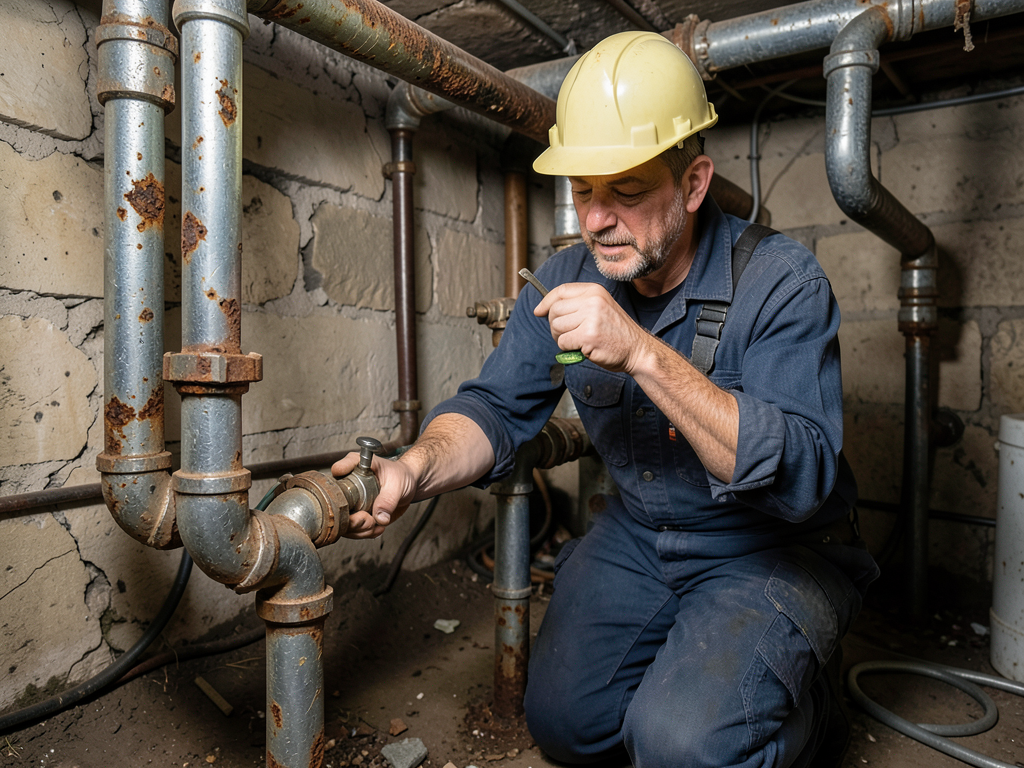
Common Plumbing Issues Found in 1950s Mehlville Ranch Homes
If you own a 1950s ranch home in Mehlville you are living with plumbing that is pushing 70 years old. The original galvanized steel water lines and cast iron drain stacks installed during the post-war building boom are now showing their age. Low water pressure rusty water and frequent leaks are not just annoyances. They are warning signs of a system on the verge of failure. Understanding these common issues can help you make informed decisions about repairs or replacement before a small problem turns into a flooded basement or burst pipe emergency. EPA information on lead in drinking water.
Galvanized Steel Water Lines The Hidden Corrosion Problem
Most 1950s Mehlville homes were built with galvanized steel water lines. These pipes looked durable when new but the zinc coating that protected them from rust breaks down over time. Once the coating fails the steel begins to corrode from the inside out. This internal corrosion creates two major problems reduced water flow and contaminated water. The rust buildup narrows the pipe diameter causing pressure drops that make your shower feel like a trickle. The rust also flakes off into your water giving it a brown or yellow tint and a metallic taste. You might notice these symptoms are worse in the morning when water has been sitting in the pipes overnight. Replacing Old Iron Pipes in Historic Webster Groves Homes.
How to spot galvanized pipe issues: Look for gray or silver pipes in your basement or crawl space. If you scratch the surface with a screwdriver and see a silver color underneath you have found galvanized steel. Another telltale sign is when you turn on an old faucet and get rusty water that clears up after a few seconds. That is rust breaking loose from the pipe walls. How to Stop Your Ballwin Basement From Flooding During Heavy Spring Rains.
Cast Iron Drain Stacks The Channeling Failure
While galvanized pipes bring water in cast iron pipes take waste out. Many 1950s Mehlville homes have cast iron drain stacks that are now 70 years old. The most common failure mode is called channeling. The bottom of the pipe wears away from years of waste and water flow creating a channel shaped hole. When channeling occurs you will notice slow drains throughout the house gurgling sounds from toilets and eventually sewage backups. The problem gets worse because St. Louis clay soil shifts with seasonal moisture changes putting stress on already weakened pipes. How to Get a Same-Day Water Heater Repair in Sunset Hills.
Cast iron warning signs: Listen for gurgling toilets or drains when you flush. Check for water stains on basement walls near drain lines. If you notice a rotten egg smell coming from drains that is hydrogen sulfide gas. That is a sign of pipe deterioration. Many Mehlville homes also have clay sewer laterals connecting to the street and these are prone to root intrusion from the silver maples and oaks common in older St. Louis neighborhoods.. Read more about Installing a Main Sewer Cleanout for Easier Maintenance in Your Bevo Mill Home.
Lead Solder and Brass Fittings The Health Concern
Before 1986 lead solder was commonly used to join copper pipes. Even if your home has been partially updated with copper lines those connections might still contain lead. The St. Louis area has been particularly affected by lead service line issues with the Missouri Department of Natural Resources requiring testing and replacement in many municipalities. Lead exposure is especially dangerous for children and pregnant women potentially causing developmental delays and other health problems.. Read more about Why You Should Stop Using Liquid Drain Cleaners in Your Wentzville Pipes Immediately.
Identifying lead hazards: Homes built before 1986 likely have lead solder somewhere in the plumbing system. You cannot see lead solder by looking at pipes but a plumber can test for it using specialized equipment. Brass fixtures manufactured before 2014 may also contain lead even if labeled lead free by older standards. The EPA’s Lead and Copper Rule requires water utilities to monitor and report lead levels but homeowners are responsible for what is on their property. Why Kirkwood Homeowners Keep Calling Us for Stubborn Drain Clogs.
St. Louis Specific Challenges Tree Roots and MSD Requirements
Mehlville’s mature trees are beautiful but problematic for 1950s plumbing. Silver maples which were widely planted in post-war subdivisions have aggressive root systems that seek out water sources. These roots can penetrate clay sewer pipes through tiny cracks growing inside the pipe and causing blockages. The Metropolitan Sewer District MSD of St. Louis has specific requirements for sewer line repairs and replacements. Under MSD’s Private Lateral P lot Program homeowners are responsible for maintaining the sewer line from their house to the main sewer in the street. Metropolitan Sewer District regulations.
MSD compliance matters: When repairing or replacing sewer lines you must follow MSD specifications for pipe materials and installation methods. This often means using PVC pipe instead of the original clay tile and ensuring proper slope and bedding to prevent future settling. MSD also requires permits for most sewer work and inspections to verify compliance with local codes. Professional Gas Line Installation for Your New Outdoor Kitchen in Wildwood.
Modern Solutions for 1950s Homes
Today’s plumbing technology offers several options for updating aging 1950s systems. PEX cross linked polyethylene piping has become the standard replacement for galvanized steel. PEX is flexible resistant to corrosion and can be installed with fewer fittings than copper reducing potential leak points. For sewer lines trenchless repair methods like pipe lining or pipe bursting allow you to replace pipes without digging up your yard. Hydro jetting uses high pressure water to clear roots and buildup from drain lines often avoiding the need for immediate replacement.. Read more about Why a Pre-Listing Plumbing Inspection is Essential for Selling Your Huntleigh Home.
Replacement considerations: The decision to replace plumbing depends on your home’s specific condition and your plans for staying in the house. If you are experiencing frequent leaks planning a major renovation or concerned about water quality replacement might be the best option. A whole house repipe with PEX typically takes 2 to 3 days and can be done with minimal wall damage using modern installation techniques. For sewer lines video camera inspection can show exactly where problems exist allowing targeted repairs instead of complete replacement.. Read more about Dealing With Slab Leaks Under Your Ladue Foundation Without Tearing Up the Floors.
Estimated Costs and ROI for St. Louis Homeowners
Replacing galvanized pipes with PEX in a typical Mehlville ranch home costs between $4000 and $8000 depending on the home’s size and accessibility. Sewer line replacement using trenchless methods ranges from $3000 to $6000 while traditional excavation can cost $5000 to $10000. These investments often pay off when selling your home as buyers are increasingly aware of plumbing issues in older homes. Updated plumbing can increase your home’s value by 5 to 10% and make it more attractive to potential buyers who do not want to deal with immediate repairs.. Read more about Replacing Stuck Multi-Turn Water Valves With Quarter-Turn Ball Valves in Your Affton Home.
Cost factors to consider: The age and condition of your existing pipes accessibility of the plumbing finished basement vs open crawl space local permit fees and whether you need to repair any water damage from previous leaks all affect the final cost. Some utility companies offer rebates for water efficient fixtures when you upgrade your plumbing and certain energy efficient improvements may qualify for tax credits.
Preventive Maintenance for 1950s Plumbing
Even if you are not ready for a complete replacement several maintenance steps can extend the life of your 1950s plumbing. Annual drain cleaning with hydro jetting prevents root buildup and removes grease and scale that can cause blockages. Installing water pressure regulators can reduce stress on old pipes. Ideal pressure is between 40 and 60 psi. Water softeners help prevent mineral buildup in both galvanized and copper pipes especially important in St. Louis where municipal water has moderate hardness levels.. Read more about Thinking About Installing a Bidet in Your Tower Grove South Bathroom (Read This First).
Maintenance checklist: Test your water pressure annually with a gauge that screws onto an outdoor faucet. Listen for unusual sounds from drains and toilets. Check exposed pipes in basements and crawl spaces for signs of corrosion or leaks. Consider annual video inspections of your main sewer line if you have large trees nearby. Replace old washing machine hoses with stainless steel braided ones to prevent catastrophic leaks.. Read more about How the St. Louis County Sewer Lateral Program Can Save You Thousands on Repairs.
When to Call a Professional
Certain plumbing issues require immediate professional attention. If you notice water stains on ceilings or walls hear water running when all fixtures are off or experience sewage backups call a plumber right away. For 1950s homes specifically if you are planning any renovation that involves opening walls or floors have a professional inspect the plumbing first. Many homeowners discover major issues only after starting demolition work.. Read more about Why St. Charles Homeowners Are Switching to High Efficiency Water Softeners.
Professional inspection benefits: A licensed plumber can use video camera inspection to see inside your pipes without destructive testing. They can test water pressure throughout your system check for proper grounding of pipes important for safety and identify code violations that could cause problems during a home sale. Professional plumbers familiar with St. Louis building codes understand the specific requirements for your municipality whether you are in Mehlville Affton or another St. Louis County community.
Frequently Asked Questions
How do I know if my 1950s home has galvanized pipes?
Look for gray or silver colored pipes in your basement or crawl space. If you scratch the surface with a screwdriver and see silver underneath they are galvanized steel. You can also check where the main water line enters your house. If it is a dull gray pipe rather than shiny copper or white PVC it is likely galvanized.
Is it worth replacing old plumbing in a 1950s home?
Yes if you are experiencing frequent problems or planning to stay in the home long term. New plumbing eliminates the risk of burst pipes improves water pressure and quality and can prevent costly water damage. It also makes your home more attractive to buyers and can increase property value by 5 to 10%.
What is the difference between PEX and copper repiping?
PEX is flexible plastic tubing that is easier to install resists freezing better and costs less than copper. Copper is more durable long term and handles high temperatures better but it is more expensive and can corrode in certain water conditions. For most 1950s home replacements PEX is the preferred choice due to cost and ease of installation.
How long does a whole house repipe take?
A typical whole house repipe with PEX takes 2 to 3 days for the plumbing work plus additional time for wall patching and painting if needed. Most homeowners can stay in their house during the process though water will be shut off during working hours.
Does homeowners insurance cover plumbing replacement?
Standard homeowners insurance typically covers sudden accidental water damage but not gradual deterioration or normal wear and tear. If your pipes burst due to freezing or a sudden failure damage might be covered but the cost to replace old pipes usually is not. Check your specific policy for details.
Ready to Address Your 1950s Plumbing Issues
Do not wait for a small leak to become a major flood. The plumbing in your 1950s Mehlville ranch home has served you well for decades but it is time to consider your options before emergency repairs become necessary. Whether you need a professional inspection targeted repairs or a complete system upgrade Peak Plumbing St. Louis has the experience and local knowledge to handle your mid century home’s unique plumbing challenges.
Call (314) 417-7677 today to schedule your inspection. Our team understands the specific issues facing 1950s homes in the St. Louis area from the effects of our clay soil on sewer lines to the impact of our water chemistry on pipe corrosion. We will provide honest recommendations and upfront pricing so you can make the best decision for your home and budget.
Pick up the phone and call (314) 417-7677 before the next storm hits or that slow leak becomes an emergency. Your 1950s home deserves plumbing that will last another 50 years and we are here to make that happen.
You may also find this helpful. Why Your Unused Guest Bathroom in Clayton Smells Like Raw Sewage.
You may also find this helpful. Deciding Between a Sump Pump and a French Drain for Your Wildwood Backyard.
You may also find this helpful. How to Properly Winterize Your Vacant Rental Property in Dutchtown to Prevent Burst Pipes.
{
“@context”: “https://schema.org”,
“@type”: “BlogPosting”,
“headline”: “Common Plumbing Issues Found in 1950s Mehlville Ranch Homes”,
“description”: “Learn about common plumbing problems in 1950s Mehlville ranch homes including galvanized pipes corrosion and cast iron drain failures.”,
“wordCount”: 1978,
“datePublished”: “2026-04-08T06:45:00.000Z”,
“dateModified”: “2026-04-08T06:45:00.000Z”,
“inLanguage”: “en-US”,
“mainEntityOfPage”: {
“@type”: “WebPage”,
“@id”: “https://peakplumbingstlouis.com”
},
“publisher”: {
“@type”: “LocalBusiness”,
“name”: “Peak Plumbing St. Louis”,
“url”: “https://peakplumbingstlouis.com”
},
“author”: {
“@type”: “Organization”,
“name”: “Peak Plumbing St. Louis”,
“url”: “https://peakplumbingstlouis.com”
},
“image”: {
“@type”: “ImageObject”,
“url”: “https://peakplumbingstlouis.com/wp-content/uploads/2026/03/common-plumbing-issues-found-in-1950s-mehlville-ra-1.png”
}
}
{
“@context”: “https://schema.org”,
“@type”: “Plumber”,
“name”: “Peak Plumbing St. Louis”,
“url”: “https://peakplumbingstlouis.com”,
“address”: {
“@type”: “PostalAddress”,
“addressLocality”: “St. Louis”
},
“areaServed”: {
“@type”: “City”,
“name”: “St. Louis”
}
}
{
“@context”: “https://schema.org”,
“@type”: “FAQPage”,
“mainEntity”: [
{
“@type”: “Question”,
“name”: “How do I know if my 1950s home has galvanized pipes?”,
“acceptedAnswer”: {
“@type”: “Answer”,
“text”: “Look for gray or silver colored pipes in your basement or crawl space. If you scratch the surface with a screwdriver and see silver underneath they are galvanized steel. You can also check where the main water line enters your house. If it is a dull gray pipe rather than shiny copper or white PVC it is likely galvanized.”
}
},
{
“@type”: “Question”,
“name”: “Is it worth replacing old plumbing in a 1950s home?”,
“acceptedAnswer”: {
“@type”: “Answer”,
“text”: “Yes if you are experiencing frequent problems or planning to stay in the home long term. New plumbing eliminates the risk of burst pipes improves water pressure and quality and can prevent costly water damage. It also makes your home more attractive to buyers and can increase property value by 5 to 10%.”
}
},
{
“@type”: “Question”,
“name”: “What is the difference between PEX and copper repiping?”,
“acceptedAnswer”: {
“@type”: “Answer”,
“text”: “PEX is flexible plastic tubing that is easier to install resists freezing better and costs less than copper. Copper is more durable long term and handles high temperatures better but it is more expensive and can corrode in certain water conditions. For most 1950s home replacements PEX is the preferred choice due to cost and ease of installation.”
}
},
{
“@type”: “Question”,
“name”: “How long does a whole house repipe take?”,
“acceptedAnswer”: {
“@type”: “Answer”,
“text”: “A typical whole house repipe with PEX takes 2 to 3 days for the plumbing work plus additional time for wall patching and painting if needed. Most homeowners can stay in their house during the process though water will be shut off during working hours.”
}
},
{
“@type”: “Question”,
“name”: “Does homeowners insurance cover plumbing replacement?”,
“acceptedAnswer”: {
“@type”: “Answer”,
“text”: “Standard homeowners insurance typically covers sudden accidental water damage but not gradual deterioration or normal wear and tear. If your pipes burst due to freezing or a sudden failure damage might be covered but the cost to replace old pipes usually is not. Check your specific policy for details.”
}
}
]
}
{
“@context”: “https://schema.org”,
“@type”: “BreadcrumbList”,
“itemListElement”: [
{
“@type”: “ListItem”,
“position”: 1,
“name”: “Home”,
“item”: “https://peakplumbingstlouis.com”
},
{
“@type”: “ListItem”,
“position”: 2,
“name”: “Blog”,
“item”: “https://peakplumbingstlouis.com/blog”
},
{
“@type”: “ListItem”,
“position”: 3,
“name”: “Common Plumbing Issues Found in 1950s Mehlville Ranch Homes”
}
]
}
{
“@context”: “https://schema.org”,
“@type”: “Service”,
“serviceType”: “Plumbing”,
“provider”: {
“@type”: “LocalBusiness”,
“name”: “Peak Plumbing St. Louis”,
“url”: “https://peakplumbingstlouis.com”
},
“areaServed”: {
“@type”: “City”,
“name”: “St. Louis”
},
“description”: “Learn about common plumbing problems in 1950s Mehlville ranch homes including galvanized pipes corrosion and cast iron drain failures.”
}