
Is Radiant Floor Heating a Realistic Upgrade for Your St. Louis Bathroom Remodel?
Radiant floor heating can transform your St. Louis bathroom from a cold tile shock zone into a warm, spa-like retreat. But is it worth the investment for your specific home? The answer depends on your bathroom’s layout, your existing heating system, and whether you’re doing a full remodel anyway.. Read more about Converting a Half Bath into a Full Bathroom for Your Kings Oak Home.
St. Louis winters hit hard with average January lows around 23°F and frequent freeze-thaw cycles that can stress plumbing systems. Adding radiant heat during a bathroom remodel makes sense because you’re already opening up walls and floors. The key is choosing between electric mats or hydronic systems and understanding the installation requirements specific to our region’s building codes and climate. Professional Gas Line Installation for Your New Outdoor Kitchen in Wildwood.
Electric vs. Hydronic: Which System Works Best in St. Louis Homes?
Electric radiant systems use heating cables or mats installed under tile. They heat up quickly but cost more to operate long-term. Hydronic systems circulate warm water through PEX tubing and cost less to run but require a boiler or water heater and take longer to warm up. How to Get a Same-Day Water Heater Repair in Sunset Hills.
For most St. Louis bathroom remodels, electric systems work best for smaller spaces under 200 square feet. They’re simpler to install since you don’t need to tie into your home’s heating system. Hydronic makes more sense for larger bathrooms or if you’re already upgrading your boiler.
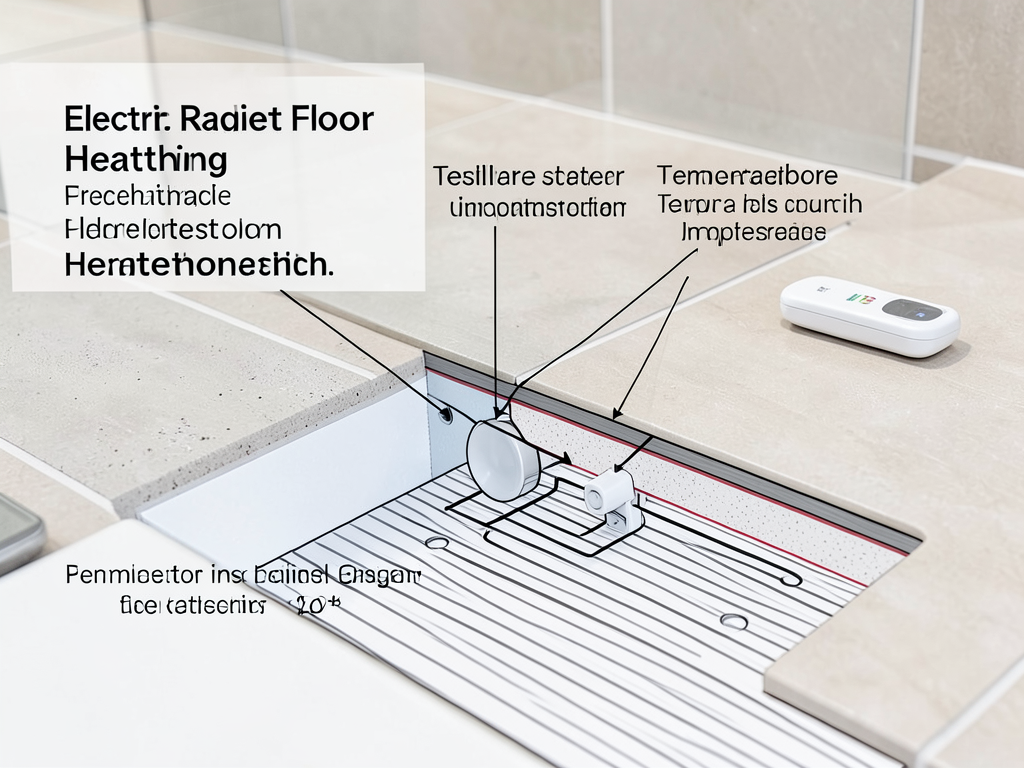
Diagram showing cross-section of electric mat installation under bathroom tile with thermostat and temperature sensor placement.
Installation Requirements and Local Code Compliance
St. Louis County requires permits for any electrical work over 30 amps and all plumbing modifications. The International Plumbing Code (IPC) Section 607 covers floor heating systems, requiring GFCI protection for all electric floor heating elements. Hydronic systems must comply with IPC Section 607.1 for piping materials and installation methods.. Read more about How to Tell if Your North County Slab Home Needs a Total Repipe.
Missouri State Plumbing Code mandates that all PEX tubing used in hydronic systems be oxygen-barrier rated to prevent corrosion in your boiler. Local inspectors in St. Louis County specifically check for proper expansion joints in concrete slabs where radiant tubing is embedded.
Cost Breakdown for St. Louis Bathroom Radiant Heating
Electric systems run $8-12 per square foot for materials plus $300-500 for thermostat and controls. Installation adds $3-5 per square foot if you’re already doing tile work. Total cost for a typical 100-square-foot bathroom: $1,100-1,700.
Hydronic systems cost $12-20 per square foot for materials, plus $800-1,500 for boiler modifications if needed. Installation labor runs $5-8 per square foot. A complete hydronic system for the same 100-square-foot bathroom: $2,500-4,000.
| System Type | Materials Cost | Installation Cost | Total Cost (100 sq ft) |
|---|---|---|---|
| Electric Mat | $800-1,200 | $300-500 | $1,100-1,700 |
| Hydronic | $1,200-2,000 | $500-800 | $2,500-4,000 |
Energy Efficiency and Operating Costs in Missouri Climate
Electric radiant heat costs about $0.15-0.20 per square foot per month to operate in St. Louis. A typical bathroom running 4-6 hours daily costs $6-12 monthly during winter months. Hydronic systems cost about 40% less to operate but require more complex controls.
Our humid continental climate means radiant floors help reduce overall heating costs by allowing you to lower your thermostat 2-3 degrees while maintaining comfort in frequently used bathrooms. The thermal mass of tile and mortar helps maintain even temperatures despite our rapid weather changes.
Best Bathroom Layouts for Radiant Floor Heating
Radiant works best in bathrooms with open floor plans and minimal built-in fixtures. The heating elements need to cover at least 80% of the floor area for effective warming. Bathrooms with multiple alcoves, separate toilet rooms, or extensive cabinetry reduce system efficiency. EPA WaterSense Program.
Consider these layout factors:
- Avoid installing under vanities, toilets, and shower enclosures
- Maintain 6-inch clearance from walls and fixtures
- Plan for thermostat sensor placement away from direct sunlight
- Account for door swings and traffic patterns
Timing Your Installation with Bathroom Remodel
The ideal time to add radiant heating is during a complete bathroom gut job. You’ll need to remove existing flooring, address any subfloor issues, and ensure proper insulation beneath the heating elements. If you’re just replacing tile, electric systems can be retrofitted over existing subfloors in some cases. Replacing Old Iron Pipes in Historic Webster Groves Homes.
Installation sequence matters: rough electrical and plumbing first, then insulation, heating elements, tile backer board, heating system testing, and finally tile installation. Each step requires inspection in St. Louis County, adding 2-3 days to your timeline.. Read more about Adding a Half-Bath to Your Second Floor in The Hill (How to Make it Work).
Common Problems and How to Avoid Them
The biggest mistake homeowners make is skipping the insulation layer beneath radiant heating. Without proper insulation, you lose 30-40% of heat downward into the crawl space or basement. St. Louis code requires R-10 minimum insulation for all floor heating installations. How to Stop Your Ballwin Basement From Flooding During Heavy Spring Rains.
Another frequent issue is improper thermostat placement. Installing the temperature sensor directly under the main traffic area causes the system to cycle too frequently. Place sensors 3-4 feet from the main entrance and away from heat sources like lighting.
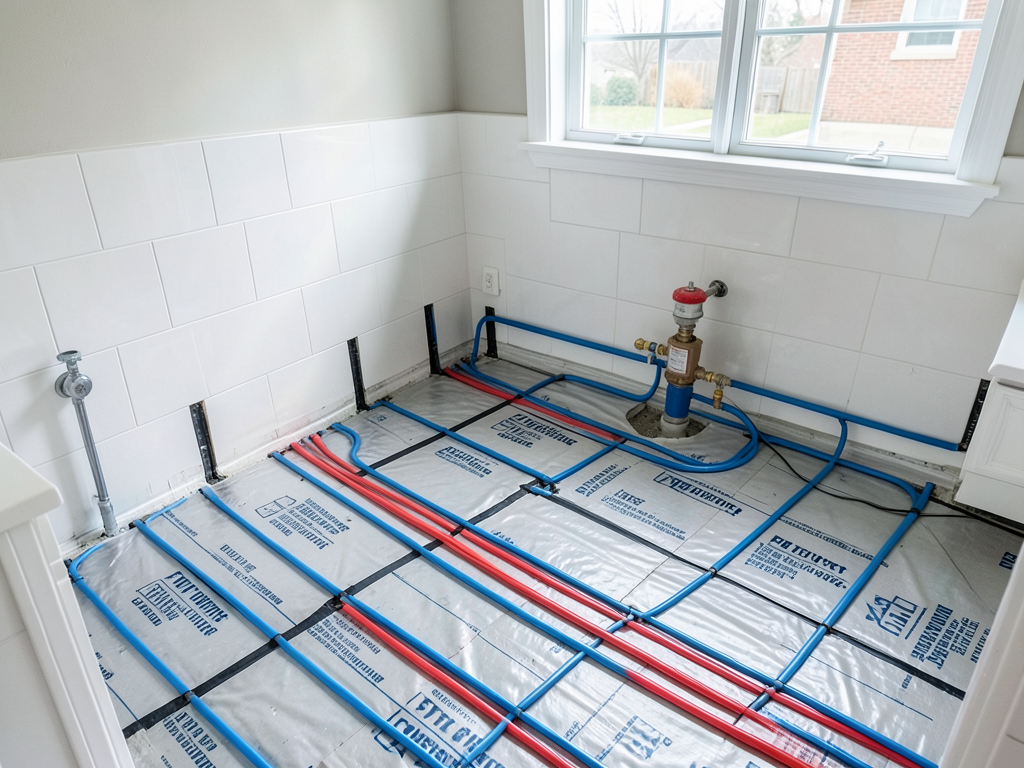
Photo of completed radiant floor heating installation showing proper insulation, PEX tubing spacing, and manifold setup in a St. Louis area bathroom.
Long-term Maintenance and Durability
Quality radiant floor systems last 20-30 years with minimal maintenance. Electric systems have no moving parts, while hydronic systems need annual boiler checks and occasional pump maintenance. The key is proper installation and using code-compliant materials from the start.
In St. Louis’s freeze-thaw climate, expansion joints in concrete slabs are critical. Without them, shifting soil can crack PEX tubing or damage electric heating elements. Always install according to manufacturer specifications and local code requirements.
Is Radiant Heating Worth It for Your Specific Situation?
Consider these factors to determine if radiant heating makes sense for your St. Louis bathroom remodel:
- Are you already doing a complete gut remodel? (Yes = much more cost-effective)
- Is your bathroom over 80 square feet? (Larger = better ROI)
- Do you have existing tile you’re removing anyway? (Yes = lower installation costs)
- Are you concerned about cold floors during Missouri winters? (Primary benefit)
If you answered yes to most of these questions, radiant floor heating is likely a worthwhile upgrade. The comfort improvement and potential energy savings make it valuable for most St. Louis homeowners doing significant bathroom renovations. Why Kirkwood Homeowners Keep Calling Us for Stubborn Drain Clogs.
Frequently Asked Questions
How long does radiant floor heating take to warm up?
Electric systems reach full temperature in 30-60 minutes. Hydronic systems take 2-4 hours to warm up completely but maintain heat longer once warmed.
Can I install radiant heating myself?
DIY installation is possible for electric systems if you’re comfortable with basic electrical work and tile installation. Hydronic systems require professional plumbing and HVAC expertise due to boiler connections and pressure testing requirements.
Will radiant heating raise my bathroom floor height?
Yes, electric systems add 1/4 to 1/2 inch. Hydronic systems with mortar bed can add 3/4 to 1 inch. Plan for transitions to adjacent flooring and door clearances.
Ready to Add Warmth to Your Bathroom Remodel?
Radiant floor heating is more than a luxury upgrade—it’s a practical solution for St. Louis’s harsh winters. The key is proper planning, code-compliant installation, and choosing the right system for your specific bathroom layout and existing infrastructure.. Read more about Planning for a Basement Ejector Pit in Your New Princeton Heights Game Room.
Call (314) 417-7677 today to schedule a consultation. We’ll evaluate your bathroom layout, discuss system options, and provide a detailed quote for adding radiant heat to your remodel. Don’t wait until winter hits—plan your warm bathroom upgrade now.
Before and after photo showing cold tile bathroom transformed with warm radiant heated floors in a St. Louis area home. For more information, visit NFPA 99 Standards for Medical Gas Systems.
You may also find this helpful. Why Your McKinley Heights Clawfoot Tub Needs Special Plumbing Care.
{
“@context”: “https://schema.org”,
“@type”: “BlogPosting”,
“headline”: “Is Radiant Floor Heating a Realistic Upgrade for Your St. Louis Bathroom Remodel?”,
“description”: “Discover if radiant floor heating is practical for St. Louis bathrooms. Learn costs, installation methods, and local code requirements from our 15+ year plumbing experts.”,
“wordCount”: 1287,
“datePublished”: “2026-05-09T08:17:00.000Z”,
“dateModified”: “2026-05-09T08:17:00.000Z”,
“inLanguage”: “en-US”,
“mainEntityOfPage”: {
“@type”: “WebPage”,
“@id”: “https://peakplumbingstlouis.com”
},
“publisher”: {
“@type”: “LocalBusiness”,
“name”: “Peak Plumbing St. Louis”,
“url”: “https://peakplumbingstlouis.com”
},
“author”: {
“@type”: “Organization”,
“name”: “Peak Plumbing St. Louis”,
“url”: “https://peakplumbingstlouis.com”
},
“image”: {
“@type”: “ImageObject”,
“url”: “https://peakplumbingstlouis.com/wp-content/uploads/2026/03/is-radiant-floor-heating-a-realistic-upgrade-for-y-1.png”
}
}
{
“@context”: “https://schema.org”,
“@type”: “Plumber”,
“name”: “Peak Plumbing St. Louis”,
“url”: “https://peakplumbingstlouis.com”,
“address”: {
“@type”: “PostalAddress”,
“addressLocality”: “St. Louis”
},
“areaServed”: {
“@type”: “City”,
“name”: “St. Louis”
}
}
{
“@context”: “https://schema.org”,
“@type”: “FAQPage”,
“mainEntity”: [
{
“@type”: “Question”,
“name”: “Electric vs. Hydronic: Which System Works Best in St. Louis Homes?”,
“acceptedAnswer”: {
“@type”: “Answer”,
“text”: “Electric radiant systems use heating cables or mats installed under tile. They heat up quickly but cost more to operate long-term. Hydronic systems circulate warm water through PEX tubing and cost less to run but require a boiler or water heater and take longer to warm up. How to Get a Same-Day Water Heater Repair in Sunset Hills.”
}
},
{
“@type”: “Question”,
“name”: “How long does radiant floor heating take to warm up?”,
“acceptedAnswer”: {
“@type”: “Answer”,
“text”: “Electric systems reach full temperature in 30-60 minutes. Hydronic systems take 2-4 hours to warm up completely but maintain heat longer once warmed.”
}
},
{
“@type”: “Question”,
“name”: “Can I install radiant heating myself?”,
“acceptedAnswer”: {
“@type”: “Answer”,
“text”: “DIY installation is possible for electric systems if you’re comfortable with basic electrical work and tile installation. Hydronic systems require professional plumbing and HVAC expertise due to boiler connections and pressure testing requirements.”
}
},
{
“@type”: “Question”,
“name”: “Will radiant heating raise my bathroom floor height?”,
“acceptedAnswer”: {
“@type”: “Answer”,
“text”: “Yes, electric systems add 1/4 to 1/2 inch. Hydronic systems with mortar bed can add 3/4 to 1 inch. Plan for transitions to adjacent flooring and door clearances.”
}
},
{
“@type”: “Question”,
“name”: “Ready to Add Warmth to Your Bathroom Remodel?”,
“acceptedAnswer”: {
“@type”: “Answer”,
“text”: “Radiant floor heating is more than a luxury upgrade—it’s a practical solution for St. Louis’s harsh winters. The key is proper planning, code-compliant installation, and choosing the right system for your specific bathroom layout and existing infrastructure.”
}
}
]
}
{
“@context”: “https://schema.org”,
“@type”: “BreadcrumbList”,
“itemListElement”: [
{
“@type”: “ListItem”,
“position”: 1,
“name”: “Home”,
“item”: “https://peakplumbingstlouis.com”
},
{
“@type”: “ListItem”,
“position”: 2,
“name”: “Blog”,
“item”: “https://peakplumbingstlouis.com/blog”
},
{
“@type”: “ListItem”,
“position”: 3,
“name”: “Is Radiant Floor Heating a Realistic Upgrade for Your St. Louis Bathroom Remodel?”
}
]
}
{
“@context”: “https://schema.org”,
“@type”: “Service”,
“serviceType”: “Plumbing”,
“provider”: {
“@type”: “LocalBusiness”,
“name”: “Peak Plumbing St. Louis”,
“url”: “https://peakplumbingstlouis.com”
},
“areaServed”: {
“@type”: “City”,
“name”: “St. Louis”
},
“description”: “Discover if radiant floor heating is practical for St. Louis bathrooms. Learn costs, installation methods, and local code requirements from our 15+ year plumbing experts.”
}