
Understanding the Different Plumbing Requirements for Historic Soulard Lofts
Soulard’s historic loft conversions present unique plumbing challenges that standard residential plumbers simply don’t encounter. These former industrial buildings require specialized knowledge of macerating toilet systems, exposed pipe aesthetics, and St. Louis City building code compliance. Understanding these differences is crucial for anyone living in or renovating a Soulard loft. St. Louis City Building Division.
The district’s converted warehouses and factories feature concrete slab foundations, high ceilings, and industrial-grade drainage systems that demand a completely different approach than typical home plumbing. From water pressure management in multi-story buildings to navigating historic preservation guidelines, loft plumbing requires expertise that goes far beyond basic pipe fitting. How to Get a Same-Day Water Heater Repair in Sunset Hills.
Why Soulard Lofts Need Specialized Plumbing Solutions
Soulard’s industrial heritage means most lofts were built before modern plumbing standards existed. These buildings often have cast iron soil pipes that have been in service for over a century. The concrete slab construction makes traditional under-floor plumbing nearly impossible without extensive demolition. Replacing Old Iron Pipes in Historic Webster Groves Homes.
Water pressure becomes a critical issue in Soulard’s multi-story conversions. Buildings that once housed factories now contain luxury residences where residents expect consistent water pressure on the 5th floor as they would on the ground level. This requires booster pump systems and pressure regulators specifically calibrated for historic structures.. Read more about Splitting Water Lines for Multi Family Units in Marine Villa (A Landlord’s Guide).
The exposed brick and ductwork aesthetic that makes Soulard lofts desirable creates plumbing visibility challenges. Pipes can’t be hidden in walls or ceilings, so they must be incorporated into the industrial design while maintaining functionality and meeting code requirements. Plumbing Florissant.
Common Plumbing Challenges in Soulard Loft Conversions
Concrete slab plumbing represents the first major hurdle in Soulard loft renovations. Breaking through century-old concrete to install new drain lines can compromise structural integrity and release hazardous materials like asbestos or lead paint dust. Most successful loft plumbing projects use above-floor solutions instead. Plumbing Clayton.
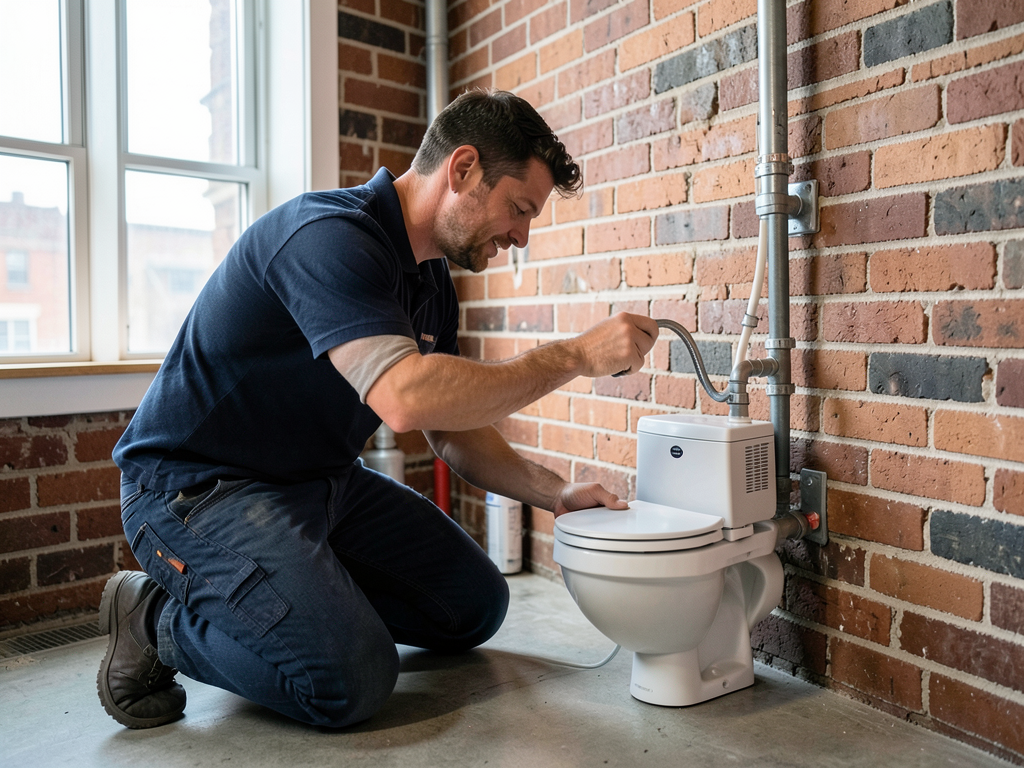
Macerating toilet systems have become the standard solution for adding bathrooms in Soulard lofts. These Saniflo-style units grind waste and pump it through small-diameter pipes that can be run along walls or through ceiling cavities. They eliminate the need to break concrete while providing full functionality.. Read more about Adding a Half-Bath to Your Second Floor in The Hill (How to Make it Work).
Historic building codes in St. Louis City require special permits for any plumbing work in designated historic districts. The Soulard neighborhood falls under strict preservation guidelines that dictate everything from pipe materials to fixture styles. Working with a plumber who understands these requirements prevents costly delays and rework.. Read more about Why Your Old North St. Louis Rehab Needs a Complete Water Main Replacement.
High-rise drainage stacks in older buildings often suffer from scale buildup and corrosion. The original cast iron pipes may still function but operate at reduced capacity. This creates slow drainage and increased risk of backups, particularly in buildings converted to multiple residential units.
Exposed Plumbing Aesthetics for Industrial Chic Design
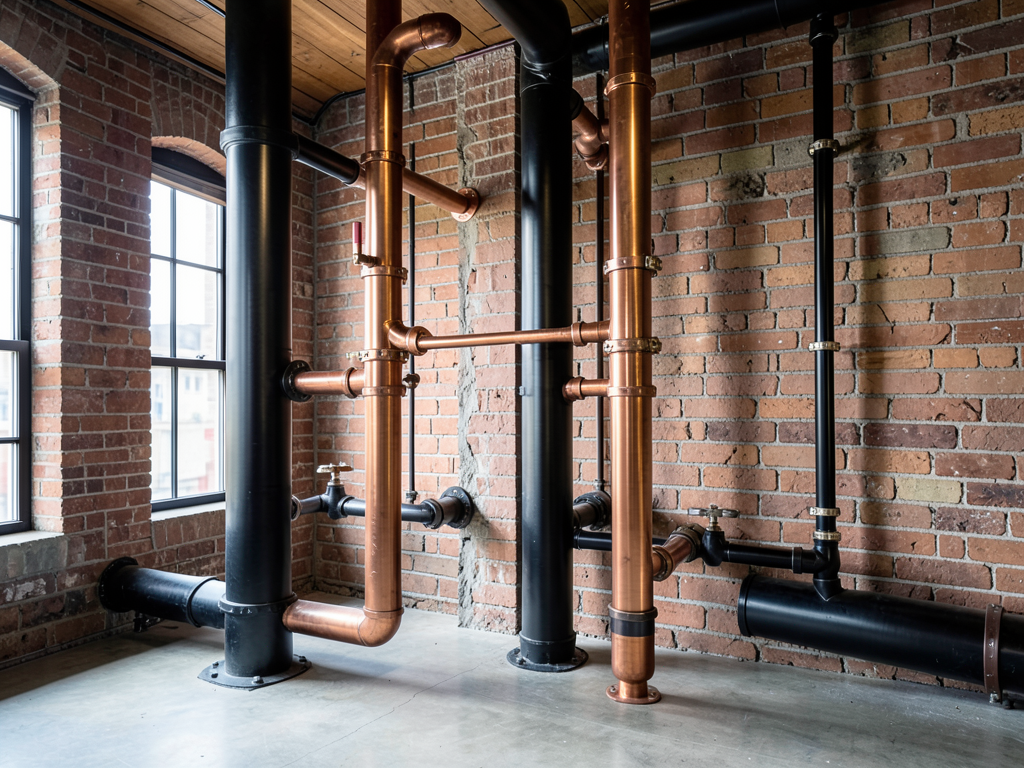
Soulard lofts embrace the industrial aesthetic, making exposed plumbing a design feature rather than something to hide. Copper pipes with polished finishes, black steel piping, and brass fixtures complement the raw brick and timber elements common in these spaces.. Read more about The Best Way to Hide Exposed Plumbing in Your Soulard Loft.
Professional plumbers in Soulard understand how to route pipes to create visual interest while maintaining proper function. Strategic pipe placement can highlight architectural features like exposed beams or create geometric patterns on walls. The key is balancing aesthetics with accessibility for maintenance. Professional Gas Line Installation for Your New Outdoor Kitchen in Wildwood.
Soundproofing becomes critical in loft environments where plumbing runs through shared walls. Water hammer arrestors, insulated pipe hangers, and strategic routing minimize noise transmission between units. This is especially important in buildings converted to condominiums where residents share common walls.. Read more about Dealing With Low Water Pressure in Your Downtown St. Louis Loft.
Fixture selection must consider both style and functionality. Commercial-grade fixtures often work better in loft settings due to their durability and industrial appearance. However, they must be properly sized for residential water pressure and usage patterns.
Navigating St. Louis City Building Codes for Historic Properties
The St. Louis City Building Division enforces specific requirements for plumbing work in historic districts like Soulard. These codes often reference the International Plumbing Code but include local amendments that address the unique challenges of older buildings.
Section 15.05.050 of the St. Louis City Code requires special permits for any alterations to historic properties. This includes plumbing modifications that might affect the building’s exterior appearance or structural integrity. The process involves review by the Cultural Resources Office before permits are issued.
Backflow prevention devices are mandatory in multi-unit buildings according to Missouri Department of Natural Resources regulations. These prevent contamination of the municipal water supply and must be tested annually by certified professionals. Many Soulard buildings require RPZ (Reduced Pressure Zone) assemblies due to their commercial history. Missouri Department of Natural Resources.
Lead and copper testing becomes essential in buildings constructed before 1986. The EPA’s Lead and Copper Rule requires monitoring and mitigation if levels exceed safe thresholds. This is particularly relevant in Soulard where many buildings date to the late 1800s.
Water Pressure Management in Multi-Story Lofts
Gravity creates significant challenges for water pressure in Soulard’s taller loft buildings. A bathroom on the 4th floor might experience 40% less pressure than one on the ground floor without proper system design. This affects everything from shower performance to toilet flushing efficiency.
Booster pump systems provide the solution but must be carefully selected for historic buildings. The pumps need to be sized for the building’s peak demand while operating quietly enough not to disturb residents. Variable-speed pumps offer the best balance of performance and energy efficiency.
Pressure reducing valves protect plumbing fixtures from high municipal pressure while maintaining adequate flow. These devices are crucial in areas where water mains supply multiple high-rise buildings. Without them, fixtures can fail prematurely due to excessive pressure.
Recirculation systems eliminate the wait for hot water in large lofts with distant fixtures. These systems keep hot water moving through the pipes, providing instant availability while reducing water waste. They’re particularly valuable in open-concept loft layouts where the kitchen might be far from the water heater.
Emergency Plumbing Services for Loft Residents
Plumbing emergencies in loft buildings require immediate response due to the risk of water damage to multiple units. A burst pipe on the 3rd floor can flood apartments below, causing thousands in damage within minutes. This makes 24/7 emergency service essential for Soulard residents.
Main shut-off valves in loft buildings are often located in utility rooms or mechanical spaces rather than individual units. Knowing their location and having access during emergencies is crucial. Many loft buildings now install individual unit shut-offs to minimize damage during emergencies.
Water damage restoration in loft buildings presents unique challenges. The open floor plans and high ceilings mean water can travel farther before pooling. Industrial materials like concrete and steel require different drying techniques than traditional residential construction.
Insurance considerations for loft plumbing are more complex than standard homes. Many policies have specific exclusions for certain types of plumbing failures or require documentation of regular maintenance. Understanding these requirements helps prevent claim denials during emergencies.
Choosing the Right Plumber for Your Soulard Loft
Not all plumbers have experience with the unique challenges of historic loft conversions. Look for professionals who specifically mention experience with macerating systems, exposed plumbing aesthetics, and historic building codes. Ask for examples of similar projects in the Soulard area.
Master plumber licensing is essential for any complex loft plumbing project. In Missouri, master plumbers have demonstrated advanced knowledge of codes, systems design, and problem-solving skills. They’re also required for projects exceeding certain permit thresholds.
Insurance coverage should include both liability and workers’ compensation specific to commercial and historic properties. Standard residential policies may not cover the unique risks associated with loft plumbing work, including asbestos exposure or structural modifications.
References from other Soulard loft owners provide the best indication of a plumber’s suitability. Ask about their experience with similar building ages, their understanding of historic preservation requirements, and their ability to work within building management guidelines.
Maintenance Tips for Soulard Loft Plumbing Systems
Regular maintenance prevents most plumbing emergencies in loft buildings. Annual inspections of macerating systems, booster pumps, and backflow preventers catch problems before they cause damage. Many issues develop gradually, making proactive maintenance more cost-effective than emergency repairs.
Drain cleaning in older buildings requires specialized equipment. Traditional snaking methods may not reach through long horizontal runs or navigate sharp bends in older pipe configurations. Hydro jetting provides more thorough cleaning but must be done carefully to avoid damaging aging pipes.
Water heater maintenance in loft buildings often involves commercial-grade units due to higher demand. These require different servicing than standard residential heaters, including more frequent flushing and anode rod replacement. Proper maintenance extends equipment life and prevents unexpected failures.
Seasonal considerations affect loft plumbing differently than standard homes. The freeze-thaw cycles common in St. Louis can stress older pipes, particularly those in exterior walls or unheated spaces. Proper insulation and temperature monitoring prevent winter emergencies.
Future-Proofing Your Loft Plumbing Investment
Smart plumbing technology offers new solutions for loft residents. Leak detection systems with automatic shut-off valves provide peace of mind in multi-unit buildings. These systems can isolate problems before they cause widespread damage, particularly valuable in buildings with shared walls.. Read more about Managing Shared Sewer Lines in Historic Gravois Park Multi Family Buildings.
Water conservation technology helps reduce utility costs in larger loft spaces. Low-flow fixtures, dual-flush toilets, and efficient showerheads maintain performance while reducing consumption. Many of these technologies also qualify for rebates through local utilities.
Gray water systems present opportunities for sustainable living in lofts. These systems capture water from sinks and showers for reuse in toilets or irrigation. While more common in new construction, retrofitting older buildings is possible with proper planning and permits.
Backup power considerations become important for critical plumbing systems. Booster pumps, sump pumps, and macerating units all require electricity. Battery backup or generator connections ensure continued operation during power outages, preventing sewage backups and flooding.
- Verify Experience with Historic Properties
Ask for specific examples of loft or historic building plumbing projects completed in the St. Louis area.
- Check Master Plumber Licensing
Ensure the plumber holds a valid Missouri Master Plumber license and carries appropriate insurance for commercial work.
- Confirm Knowledge of Local Codes
The plumber should understand St. Louis City historic district requirements and Missouri DNR regulations.
- Review Emergency Response Capabilities
24/7 availability and experience with multi-unit building emergencies are essential for loft properties.
- Evaluate Design Integration Skills
The plumber should demonstrate ability to incorporate exposed pipes into industrial aesthetic designs.
Frequently Asked Questions
Can I install a traditional toilet in my Soulard loft without breaking concrete?
Traditional toilets typically require breaking concrete to install proper drainage. Macerating toilet systems offer a practical alternative that eliminates concrete demolition while providing full functionality through small-diameter piping routed along walls or through ceiling cavities.
How do I know if my loft’s plumbing meets current building codes?
Older loft buildings may not meet current codes. A professional inspection by a master plumber familiar with historic properties can identify code violations and recommend upgrades. This is especially important before major renovations or when selling the property.
What’s the average cost difference between standard and loft plumbing work?
Loft plumbing typically costs 30-50% more than standard residential work due to specialized equipment, permit requirements, and the need for creative problem-solving around concrete slabs and historic preservation guidelines. However, the investment prevents costly mistakes and ensures long-term reliability.
How often should macerating systems be serviced?
Macerating systems should be inspected annually and serviced every 2-3 years depending on usage. Regular maintenance includes cleaning the macerator blades, checking seals, and testing the pump motor. Neglecting maintenance can lead to premature failure and sewage backups.
Are there tax incentives for upgrading plumbing in historic lofts?
St. Louis offers historic preservation tax credits for qualified improvements to designated properties. Plumbing upgrades that maintain historic character while improving efficiency may qualify. Consult with the Cultural Resources Office and a tax professional to determine eligibility.
Call (314) 417-7677 today to schedule your inspection and ensure your Soulard loft’s plumbing meets all safety and code requirements. Don’t wait until a small problem becomes a major emergency.
Pick up the phone and call (314) 417-7677 before the next storm hits. Our master plumbers are standing by to handle any emergency in your Soulard loft, day or night.
You may also find this helpful. Why Your McKinley Heights Clawfoot Tub Needs Special Plumbing Care.
{
“@context”: “https://schema.org”,
“@type”: “BlogPosting”,
“headline”: “Understanding the Different Plumbing Requirements for Historic Soulard Lofts”,
“description”: “Discover the unique plumbing challenges in Soulard’s historic loft conversions. Learn about macerating toilets, exposed pipe aesthetics, and St. Louis building code compliance.”,
“wordCount”: 2038,
“datePublished”: “2026-05-12T06:11:00.000Z”,
“dateModified”: “2026-05-12T06:11:00.000Z”,
“inLanguage”: “en-US”,
“mainEntityOfPage”: {
“@type”: “WebPage”,
“@id”: “https://peakplumbingstlouis.com”
},
“publisher”: {
“@type”: “LocalBusiness”,
“name”: “Peak Plumbing St. Louis”,
“url”: “https://peakplumbingstlouis.com”
},
“author”: {
“@type”: “Organization”,
“name”: “Peak Plumbing St. Louis”,
“url”: “https://peakplumbingstlouis.com”
},
“image”: {
“@type”: “ImageObject”,
“url”: “https://peakplumbingstlouis.com/wp-content/uploads/2026/03/understanding-the-different-plumbing-requirements-1.png”
}
}
{
“@context”: “https://schema.org”,
“@type”: “Plumber”,
“name”: “Peak Plumbing St. Louis”,
“url”: “https://peakplumbingstlouis.com”,
“address”: {
“@type”: “PostalAddress”,
“addressLocality”: “St. Louis”
},
“areaServed”: {
“@type”: “City”,
“name”: “St. Louis”
}
}
{
“@context”: “https://schema.org”,
“@type”: “FAQPage”,
“mainEntity”: [
{
“@type”: “Question”,
“name”: “Can I install a traditional toilet in my Soulard loft without breaking concrete?”,
“acceptedAnswer”: {
“@type”: “Answer”,
“text”: “Traditional toilets typically require breaking concrete to install proper drainage. Macerating toilet systems offer a practical alternative that eliminates concrete demolition while providing full functionality through small-diameter piping routed along walls or through ceiling cavities.”
}
},
{
“@type”: “Question”,
“name”: “How do I know if my loft’s plumbing meets current building codes?”,
“acceptedAnswer”: {
“@type”: “Answer”,
“text”: “Older loft buildings may not meet current codes. A professional inspection by a master plumber familiar with historic properties can identify code violations and recommend upgrades. This is especially important before major renovations or when selling the property.”
}
},
{
“@type”: “Question”,
“name”: “What’s the average cost difference between standard and loft plumbing work?”,
“acceptedAnswer”: {
“@type”: “Answer”,
“text”: “Loft plumbing typically costs 30-50% more than standard residential work due to specialized equipment, permit requirements, and the need for creative problem-solving around concrete slabs and historic preservation guidelines. However, the investment prevents costly mistakes and ensures long-term reliability.”
}
},
{
“@type”: “Question”,
“name”: “How often should macerating systems be serviced?”,
“acceptedAnswer”: {
“@type”: “Answer”,
“text”: “Macerating systems should be inspected annually and serviced every 2-3 years depending on usage. Regular maintenance includes cleaning the macerator blades, checking seals, and testing the pump motor. Neglecting maintenance can lead to premature failure and sewage backups.”
}
}
]
}
{
“@context”: “https://schema.org”,
“@type”: “HowTo”,
“name”: “How to Choose a Loft Plumbing Specialist”,
“step”: [
{
“@type”: “HowToStep”,
“position”: 1,
“name”: “Verify Experience with Historic Properties”,
“text”: “Ask for specific examples of loft or historic building plumbing projects completed in the St. Louis area.”
},
{
“@type”: “HowToStep”,
“position”: 2,
“name”: “Check Master Plumber Licensing”,
“text”: “Ensure the plumber holds a valid Missouri Master Plumber license and carries appropriate insurance for commercial work.”
},
{
“@type”: “HowToStep”,
“position”: 3,
“name”: “Confirm Knowledge of Local Codes”,
“text”: “The plumber should understand St. Louis City historic district requirements and Missouri DNR regulations.”
},
{
“@type”: “HowToStep”,
“position”: 4,
“name”: “Review Emergency Response Capabilities”,
“text”: “24/7 availability and experience with multi-unit building emergencies are essential for loft properties.”
},
{
“@type”: “HowToStep”,
“position”: 5,
“name”: “Evaluate Design Integration Skills”,
“text”: “The plumber should demonstrate ability to incorporate exposed pipes into industrial aesthetic designs.”
}
],
“image”: “https://peakplumbingstlouis.com/wp-content/uploads/2026/03/understanding-the-different-plumbing-requirements-1.png”
}
{
“@context”: “https://schema.org”,
“@type”: “BreadcrumbList”,
“itemListElement”: [
{
“@type”: “ListItem”,
“position”: 1,
“name”: “Home”,
“item”: “https://peakplumbingstlouis.com”
},
{
“@type”: “ListItem”,
“position”: 2,
“name”: “Blog”,
“item”: “https://peakplumbingstlouis.com/blog”
},
{
“@type”: “ListItem”,
“position”: 3,
“name”: “Understanding the Different Plumbing Requirements for Historic Soulard Lofts”
}
]
}
{
“@context”: “https://schema.org”,
“@type”: “Service”,
“serviceType”: “Plumbing”,
“provider”: {
“@type”: “LocalBusiness”,
“name”: “Peak Plumbing St. Louis”,
“url”: “https://peakplumbingstlouis.com”
},
“areaServed”: {
“@type”: “City”,
“name”: “St. Louis”
},
“description”: “Discover the unique plumbing challenges in Soulard’s historic loft conversions. Learn about macerating toilets, exposed pipe aesthetics, and St. Louis building code compliance.”
}