
Why Your Mehlville Water Heater Needs an Expansion Tank to Prevent a Big Mess
Water expands when heated and without an expansion tank, that extra pressure builds up inside your water heater and pipes. In Mehlville’s older neighborhoods, where many homes still have closed-loop plumbing systems, this pressure can cause leaks, burst pipes, and even damage your water heater’s internal components. That small tank mounted above your water heater isn’t just decorative—it’s a critical safety device that protects your home from costly water damage. Replacing Old Iron Pipes in Historic Webster Groves Homes.
How Thermal Expansion Creates Pressure Problems in Your Plumbing
When water heats from 50°F to 120°F, it expands by about 2%. In a closed plumbing system, that extra volume has nowhere to go. Most Mehlville homes built after the 1980s have pressure reducing valves or check valves that prevent water from flowing back into the municipal supply. This creates what plumbers call a “closed-loop” system where the expanding water creates dangerous pressure spikes. How to Get a Same-Day Water Heater Repair in Sunset Hills.
The science is straightforward: water is incompressible, so when it expands, the pressure increases dramatically. A typical 50-gallon water heater can generate over 150 PSI of pressure during heating cycles without an expansion tank. That’s 50% higher than your home’s normal water pressure and enough to blow out pipe joints, damage your water heater’s internal lining, and cause your temperature and pressure relief valve to drip constantly.
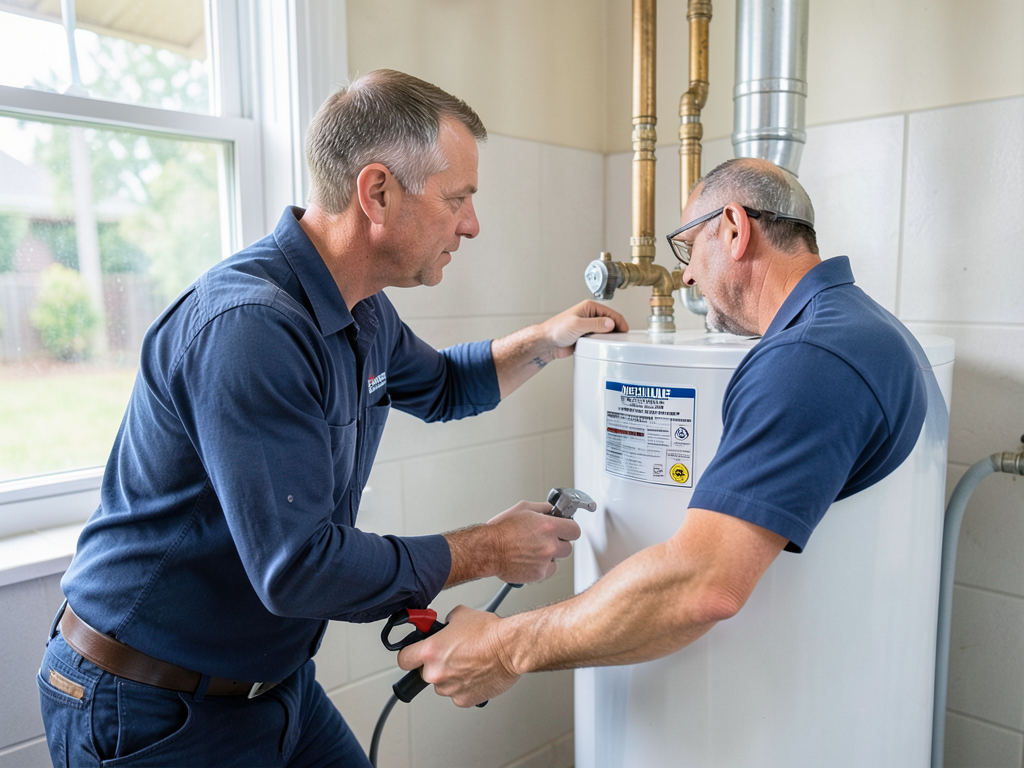
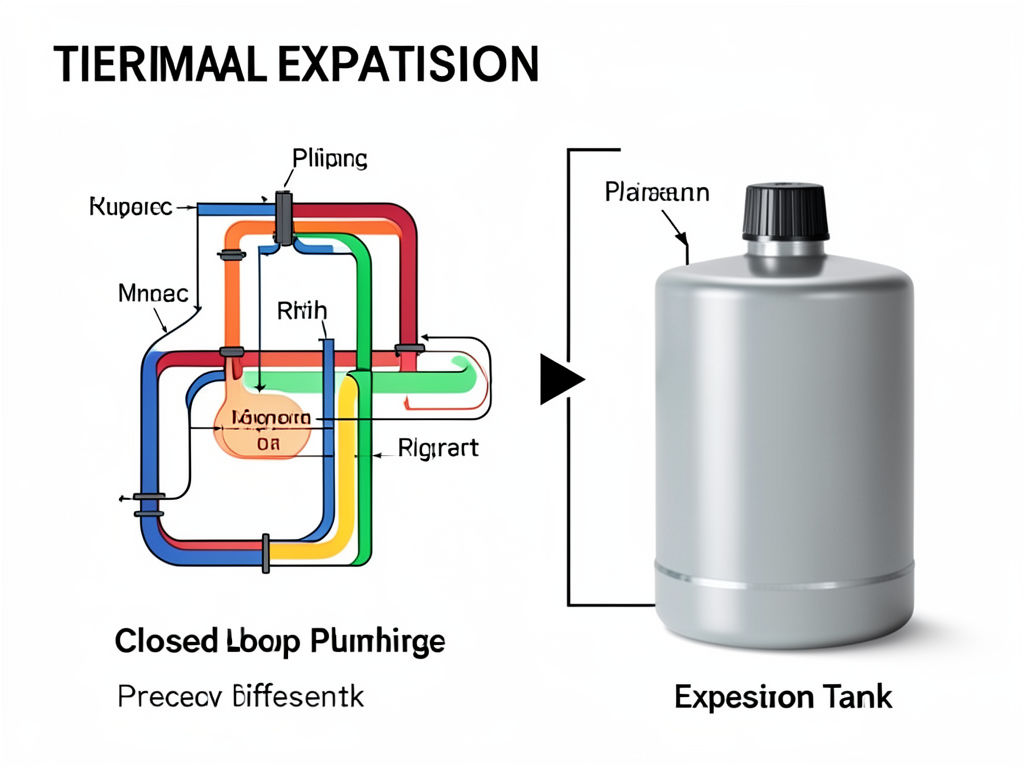
Diagram showing thermal expansion in a closed-loop system with and without an expansion tank
What’s Inside an Expansion Tank and How It Works
An expansion tank contains a rubber diaphragm that separates an air chamber from a water chamber. As water heats and expands, it flows into the water side of the tank, compressing the air on the other side. The air acts like a spring, absorbing the extra volume and maintaining safe pressure levels throughout your plumbing system. Plumbing Florissant.
The key to proper function is charging the tank to match your home’s static water pressure. Most Mehlville homes have between 40-60 PSI from the street. The expansion tank must be pre-charged with air to this exact pressure before installation. If it’s set too low, the tank fills completely and becomes waterlogged. If it’s set too high, it can’t absorb expansion properly. Professional Gas Line Installation for Your New Outdoor Kitchen in Wildwood.
Professional installation includes testing your home’s water pressure with a gauge, charging the tank correctly, and verifying the system holds pressure. This isn’t a DIY job—incorrect installation can actually make pressure problems worse.
St. Louis County Plumbing Code Requirements for Expansion Tanks
St. Louis County plumbing code Section 415.0 now requires expansion tanks on all new water heater installations in closed-loop systems. This requirement came about after years of pressure-related failures in older neighborhoods. The code specifically states that any home with a pressure reducing valve, check valve, or backflow preventer must have an expansion tank sized for the water heater’s capacity. St. Louis County Plumbing Code.
Missouri American Water, which serves most of Mehlville, has been installing check valves on water mains for the past decade as part of their infrastructure upgrades. This means even homes that never had pressure issues before may now need expansion tanks. The utility’s backflow prevention program has made expansion tanks mandatory for compliance in many areas. Missouri American Water.
Local building inspectors check for expansion tanks during final inspections on water heater replacements. Without one, you can’t get your permit signed off, and insurance companies may deny claims for water damage caused by pressure-related failures.
Warning Signs Your Expansion Tank Has Failed
A failed expansion tank feels different from a working one. The “tap test” is simple: gently tap the side of the tank with a screwdriver handle. A healthy tank sounds hollow and hollow-sounding because you’re hearing the air chamber. A waterlogged tank sounds solid because it’s completely filled with water.
Other signs include constant dripping from your water heater’s temperature and pressure relief valve, fluctuating water pressure when fixtures are used, and water hammer noises in your pipes. If your expansion tank is more than 5-7 years old, the rubber diaphragm may have deteriorated from constant flexing and temperature changes.
Mehlville’s hard water accelerates diaphragm failure. The minerals in our municipal water supply can cause the rubber to become brittle and crack over time. Once the diaphragm fails, the tank loses its ability to absorb expansion, and pressure problems return.
Expansion Tanks for Tankless vs Traditional Water Heaters
Tankless water heaters still need expansion tanks in closed-loop systems, but the requirements differ. Traditional tank heaters store 40-80 gallons of water that all heat and expand together. Tankless units heat water on demand, so the expansion volume is much smaller but still present.
For tankless systems, expansion tanks are typically smaller—often 2-3 gallons instead of 4-5 gallons for traditional heaters. The same pressure relief principles apply, but the cycling is different. Tankless units may not need expansion tanks in homes with very low water pressure or open systems, but most Mehlville installations require them due to our municipal water pressure standards.
The cost difference is minimal—usually $50-75 more for the smaller tankless-compatible tank. Given that expansion tank failure can damage a $1,000+ tankless unit, the investment is worthwhile.
Professional Installation vs DIY: Why Experience Matters
Installing an expansion tank requires more than just mounting it to the wall. The tank must be charged to your home’s exact water pressure, typically between 40-60 PSI in Mehlville. This requires a pressure gauge and an air pump capable of precise adjustment.
The mounting location matters too. The tank should be installed vertically with the air valve facing up, typically on the cold water line near the water heater. Incorrect mounting can trap air bubbles or cause the diaphragm to fail prematurely. The connection must be made with proper dielectric unions to prevent galvanic corrosion between different metals.
Professional plumbers also check for existing pressure problems before installation. If your home already has high pressure from the street, you may need both an expansion tank and a pressure reducing valve. Installing only one component won’t solve the problem.
Professional plumber installing an expansion tank on a water heater in a Mehlville home
Cost Factors and Long-Term Protection
The cost of an expansion tank installation in Mehlville typically ranges from $300-500, including the tank, labor, and pressure testing. The tank itself costs $50-150 depending on size and quality. Premium tanks with replaceable diaphragms cost more upfront but last longer and are easier to service.
Consider this an insurance policy. A single burst pipe repair can cost $1,000-3,000 in water damage, not including the cost of ruined flooring, drywall, or personal belongings. The expansion tank prevents these catastrophic failures by maintaining safe pressure levels year after year.
Most expansion tanks last 5-10 years in Mehlville’s water conditions. Hard water and temperature cycling wear out the diaphragm over time. Annual plumbing inspections should include checking the tank’s charge and testing for signs of failure. Plumbing Clayton.
Protecting Your Investment in a New Water Heater
If you’re installing a new water heater, an expansion tank isn’t optional—it’s essential for protecting your investment. Modern water heaters have more sensitive components than older models. The glass lining, electronic controls, and energy-efficient designs are all vulnerable to pressure damage.
High pressure causes your T&P valve to drip constantly, wasting water and energy. It can also cause your water heater to cycle more frequently, reducing efficiency and shortening its lifespan. An expansion tank keeps pressure stable, allowing your water heater to operate as designed.
Mehlville’s water chemistry, with moderate hardness levels, makes expansion tank maintenance particularly important. The minerals in our water can accumulate on the diaphragm over time, reducing its flexibility and effectiveness.
Before and after installation showing pressure gauge readings with and without expansion tank
Frequently Asked Questions
Can I install an expansion tank myself?
DIY installation is risky because the tank must be charged to your home’s exact water pressure. Incorrect charging can cause more problems than it solves. Professional installation includes pressure testing and proper mounting.
How long do expansion tanks last?
Most expansion tanks last 5-10 years in Mehlville’s water conditions. Hard water and temperature cycling wear out the diaphragm. Annual inspections can catch failing tanks before they cause problems.
What size expansion tank do I need?
The size depends on your water heater’s capacity. A 40-50 gallon heater typically needs a 4.5-gallon expansion tank. Your plumber will calculate the exact size based on your system’s volume and pressure requirements.
Will an expansion tank fix my dripping T&P valve?
Yes, if the dripping is caused by thermal expansion pressure. However, if the valve itself is faulty, it will need replacement. A plumber can diagnose the cause during inspection.
Are expansion tanks required by code in Mehlville?
St. Louis County plumbing code requires expansion tanks on new water heater installations in closed-loop systems. This includes most homes built after the 1980s or those with pressure reducing valves.. Read more about Common Plumbing Issues Found in 1950s Mehlville Ranch Homes.
How can I tell if my expansion tank is working?
Use the tap test: a working tank sounds hollow when tapped, while a waterlogged tank sounds solid. Also watch for dripping T&P valves or fluctuating water pressure.
Does a tankless water heater need an expansion tank?
Yes, if it’s in a closed-loop system. Tankless units need smaller expansion tanks but still require them for pressure protection in most Mehlville homes.
What causes expansion tanks to fail?
Common causes include diaphragm deterioration from age, hard water mineral buildup, incorrect charging pressure, and physical damage from improper mounting.
How much does expansion tank installation cost?
Professional installation in Mehlville typically costs $300-500, including the tank, labor, and pressure testing. The tank itself costs $50-150.
Can high water pressure damage my water heater?
Yes, high pressure can cause leaks, reduce efficiency, and shorten your water heater’s lifespan. An expansion tank maintains safe pressure levels and protects your investment.
You may also find this helpful. Keeping Your Lafayette Square Boiler Running Efficiently All Winter Long.
You may also find this helpful. How a Clogged Condensate Line Can Flood Your Crestwood Utility Closet.
You may also find this helpful. Why St. Charles Homeowners Are Switching to High Efficiency Water Softeners.
{
“@context”: “https://schema.org”,
“@type”: “BlogPosting”,
“headline”: “Why Your Mehlville Water Heater Needs an Expansion Tank to Prevent a Big Mess”,
“description”: “Discover why Mehlville homeowners need expansion tanks for their water heaters. Learn about thermal expansion, St. Louis plumbing codes, and how to prevent costly damage.”,
“wordCount”: 1667,
“datePublished”: “2026-04-03T10:13:00.000Z”,
“dateModified”: “2026-04-03T10:13:00.000Z”,
“inLanguage”: “en-US”,
“mainEntityOfPage”: {
“@type”: “WebPage”,
“@id”: “https://peakplumbingstlouis.com”
},
“publisher”: {
“@type”: “LocalBusiness”,
“name”: “Peak Plumbing St. Louis”,
“url”: “https://peakplumbingstlouis.com”
},
“author”: {
“@type”: “Organization”,
“name”: “Peak Plumbing St. Louis”,
“url”: “https://peakplumbingstlouis.com”
},
“image”: {
“@type”: “ImageObject”,
“url”: “https://peakplumbingstlouis.com/wp-content/uploads/2026/03/why-your-mehlville-water-heater-needs-an-expansion-1.png”
}
}
{
“@context”: “https://schema.org”,
“@type”: “Plumber”,
“name”: “Peak Plumbing St. Louis”,
“url”: “https://peakplumbingstlouis.com”,
“address”: {
“@type”: “PostalAddress”,
“addressLocality”: “St. Louis”
},
“areaServed”: {
“@type”: “City”,
“name”: “St. Louis”
}
}
{
“@context”: “https://schema.org”,
“@type”: “FAQPage”,
“mainEntity”: [
{
“@type”: “Question”,
“name”: “Can I install an expansion tank myself?”,
“acceptedAnswer”: {
“@type”: “Answer”,
“text”: “DIY installation is risky because the tank must be charged to your home’s exact water pressure. Incorrect charging can cause more problems than it solves. Professional installation includes pressure testing and proper mounting.”
}
},
{
“@type”: “Question”,
“name”: “How long do expansion tanks last?”,
“acceptedAnswer”: {
“@type”: “Answer”,
“text”: “Most expansion tanks last 5-10 years in Mehlville’s water conditions. Hard water and temperature cycling wear out the diaphragm. Annual inspections can catch failing tanks before they cause problems.”
}
},
{
“@type”: “Question”,
“name”: “What size expansion tank do I need?”,
“acceptedAnswer”: {
“@type”: “Answer”,
“text”: “The size depends on your water heater’s capacity. A 40-50 gallon heater typically needs a 4.5-gallon expansion tank. Your plumber will calculate the exact size based on your system’s volume and pressure requirements.”
}
},
{
“@type”: “Question”,
“name”: “Will an expansion tank fix my dripping T&P valve?”,
“acceptedAnswer”: {
“@type”: “Answer”,
“text”: “Yes, if the dripping is caused by thermal expansion pressure. However, if the valve itself is faulty, it will need replacement. A plumber can diagnose the cause during inspection.”
}
},
{
“@type”: “Question”,
“name”: “Are expansion tanks required by code in Mehlville?”,
“acceptedAnswer”: {
“@type”: “Answer”,
“text”: “St. Louis County plumbing code requires expansion tanks on new water heater installations in closed-loop systems. This includes most homes built after the 1980s or those with pressure reducing valves.”
}
},
{
“@type”: “Question”,
“name”: “How can I tell if my expansion tank is working?”,
“acceptedAnswer”: {
“@type”: “Answer”,
“text”: “Use the tap test: a working tank sounds hollow when tapped, while a waterlogged tank sounds solid. Also watch for dripping T&P valves or fluctuating water pressure.”
}
},
{
“@type”: “Question”,
“name”: “Does a tankless water heater need an expansion tank?”,
“acceptedAnswer”: {
“@type”: “Answer”,
“text”: “Yes, if it’s in a closed-loop system. Tankless units need smaller expansion tanks but still require them for pressure protection in most Mehlville homes.”
}
},
{
“@type”: “Question”,
“name”: “What causes expansion tanks to fail?”,
“acceptedAnswer”: {
“@type”: “Answer”,
“text”: “Common causes include diaphragm deterioration from age, hard water mineral buildup, incorrect charging pressure, and physical damage from improper mounting.”
}
},
{
“@type”: “Question”,
“name”: “How much does expansion tank installation cost?”,
“acceptedAnswer”: {
“@type”: “Answer”,
“text”: “Professional installation in Mehlville typically costs $300-500, including the tank, labor, and pressure testing. The tank itself costs $50-150.”
}
},
{
“@type”: “Question”,
“name”: “Can high water pressure damage my water heater?”,
“acceptedAnswer”: {
“@type”: “Answer”,
“text”: “Yes, high pressure can cause leaks, reduce efficiency, and shorten your water heater’s lifespan. An expansion tank maintains safe pressure levels and protects your investment.”
}
}
]
}
{
“@context”: “https://schema.org”,
“@type”: “BreadcrumbList”,
“itemListElement”: [
{
“@type”: “ListItem”,
“position”: 1,
“name”: “Home”,
“item”: “https://peakplumbingstlouis.com”
},
{
“@type”: “ListItem”,
“position”: 2,
“name”: “Blog”,
“item”: “https://peakplumbingstlouis.com/blog”
},
{
“@type”: “ListItem”,
“position”: 3,
“name”: “Why Your Mehlville Water Heater Needs an Expansion Tank to Prevent a Big Mess”
}
]
}
{
“@context”: “https://schema.org”,
“@type”: “Service”,
“serviceType”: “Plumbing”,
“provider”: {
“@type”: “LocalBusiness”,
“name”: “Peak Plumbing St. Louis”,
“url”: “https://peakplumbingstlouis.com”
},
“areaServed”: {
“@type”: “City”,
“name”: “St. Louis”
},
“description”: “Discover why Mehlville homeowners need expansion tanks for their water heaters. Learn about thermal expansion, St. Louis plumbing codes, and how to prevent costly damage.”
}