
What That Foul Smell Coming From Your Lemay Basement Floor Drain Actually Means
Your basement floor drain should never smell like rotten eggs or sewage. That foul odor wafting up from the drain is more than just unpleasant—it is your home’s way of warning you about a serious plumbing issue that needs immediate attention. How to Stop Your Ballwin Basement From Flooding During Heavy Spring Rains.
In Lemay where many homes were built in the 1950s and 1960s we see this problem constantly. The culprit is usually sewer gas escaping through a dry P-trap or a cracked drain line. Sewer gas contains hydrogen sulfide methane and other toxic compounds that can cause headaches nausea and even pose explosion risks in confined spaces.. Read more about Installing a Main Sewer Cleanout for Easier Maintenance in Your Bevo Mill Home.
Before you reach for air fresheners or try to mask the smell you need to understand what is happening beneath your floor. The good news Many basement drain odors have simple fixes. The bad news Some indicate serious problems that require professional intervention from a licensed St. Louis plumber who understands the unique challenges of Lemay’s aging infrastructure. St. Louis County Plumbing Code Section 4101.6.
Immediate Troubleshooting The Dry P-Trap Problem
The most common cause of basement drain odors is a dry P-trap. This U-shaped pipe under your floor drain holds water to create a seal that blocks sewer gases from rising into your home. When that water evaporates—which happens faster than you would think in our humid St. Louis summers—the seal breaks and gases escape. How to Get a Same-Day Water Heater Repair in Sunset Hills.
Here is a simple test: pour a gallon of water down the drain and wait 30 minutes. If the smell disappears you have found your problem. The water in the P-trap simply evaporated which is common in rarely-used basement drains or during dry spells when our clay soil shrinks and creates more air movement in pipes. Replacing Old Iron Pipes in Historic Webster Groves Homes.
Lemay’s older homes often have floor drains in laundry rooms or utility areas that rarely get used. The water in these traps can evaporate in as little as two weeks during summer months. A quick fix is to pour mineral oil down the drain after adding water—the oil forms a barrier that slows evaporation and keeps the seal intact for months.
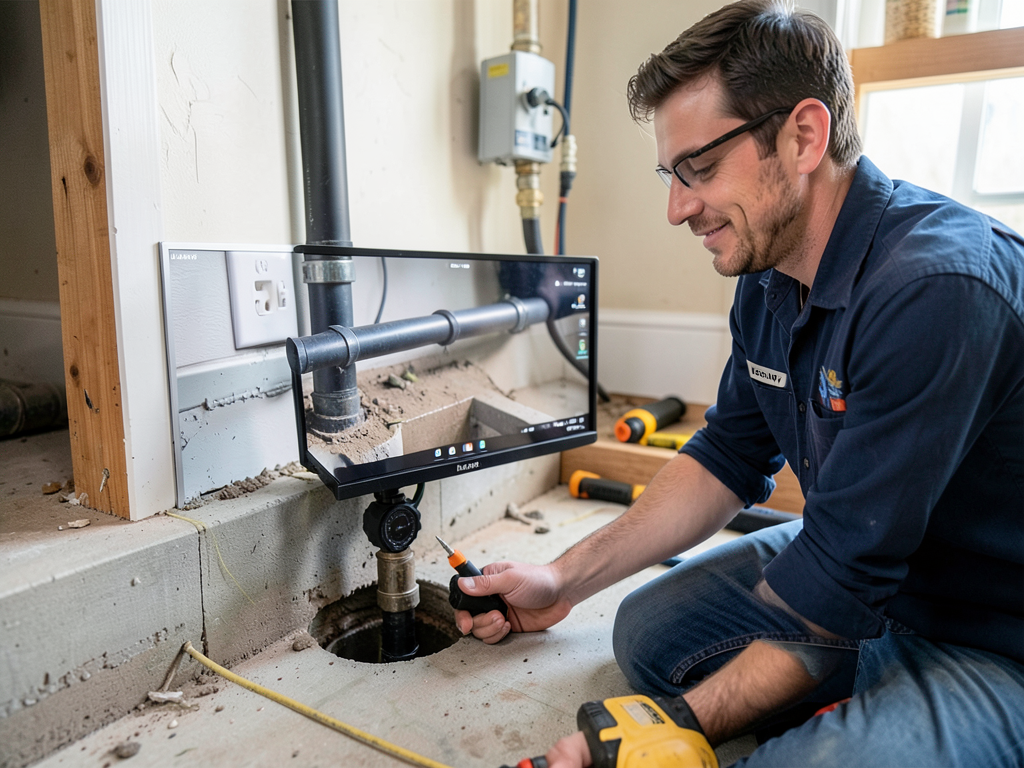
Diagnostic Tip: If pouring water eliminates the odor temporarily but it returns within days you likely have a cracked P-trap or a drain line issue that requires professional inspection. A licensed plumber can use a drain camera to inspect the trap and surrounding pipes without tearing up your floor.
Deeper Issues Bacteria Biofilm and Clogs
When water alone does not solve the problem you are dealing with something more serious. Over time organic matter—hair soap scum food particles and other debris—accumulates in your drain pipes. This buildup creates a slimy biofilm where bacteria thrive producing that characteristic musty rotten smell.
St. Louis’s high humidity accelerates biofilm growth. Our summer temperatures in the 80s and 90s create perfect conditions for bacteria to multiply rapidly in dark damp drain pipes. The biofilm not only smells bad but can also restrict water flow leading to slow drains and potential backups.
Try this DIY cleaning method: pour one cup of baking soda down the drain followed by two cups of white vinegar. Let it fizz for 30 minutes then flush with hot water. This natural reaction breaks down organic buildup without the harsh chemicals that can damage older pipes common in Lemay homes.
If the smell persists after cleaning you may have a partial clog deeper in the line. Tree roots are notorious for invading sewer lines in Lemay especially in neighborhoods with mature trees planted decades ago. The roots create small openings that let gases escape while still allowing some water flow.
The Danger Zone Identifying Sewer Gas Hydrogen Sulfide
Not all basement drain odors are created equal. A truly dangerous situation involves sewer gas containing hydrogen sulfide H2S which smells like rotten eggs but can paralyze your sense of smell at high concentrations—making it particularly dangerous.
Hydrogen sulfide is heavier than air and accumulates in basements. At low concentrations it causes eye irritation coughing and headaches. At higher levels it can cause unconsciousness or death. The gas is also highly flammable—a spark near a concentrated buildup could cause an explosion.
Warning Signs of Dangerous Sewer Gas:
- Rotten egg smell that is stronger near the drain
- Headaches or dizziness when spending time in the basement
- Visible moisture or condensation around the drain area
- Unusual sounds like gurgling when other fixtures are used
The Metropolitan St. Louis Sewer District MSD recommends immediate evacuation if you suspect dangerous gas levels. Open windows leave the home and call a professional plumber who can test gas concentrations and identify the source. Metropolitan St. Louis Sewer District.
According to the Missouri Department of Natural Resources homes built before 1980 are more likely to have deteriorating sewer connections that allow gas leakage. Lemay with its post-war housing boom falls squarely in this high-risk category. Missouri Department of Natural Resources.
St. Louis Specific Sewer Challenges
Lemay’s location in South St. Louis County presents unique plumbing challenges. Our area sits on heavy clay soil that expands and contracts with moisture changes putting stress on underground pipes. This soil movement can crack drain lines or separate pipe joints creating perfect escape routes for sewer gases.. Read more about Why Putting Lemons in Your Skinker DeBaliviere Garbage Disposal Might Be a Bad Idea.
The MSD’s combined sewer system in older parts of Lemay means stormwater and sewage share the same pipes. During heavy rains—which we get frequently in spring and summer—these systems can back up forcing gases back through floor drains. Homes without proper backwater valves are especially vulnerable.. Read more about Why a Backwater Valve is the Best Way to Prevent Sewage Backup in St. Ann.
Lemay’s average annual rainfall of 42 inches exceeds the national average by about 10 inches. This excess moisture not only stresses our aging sewer infrastructure but also accelerates pipe corrosion particularly in homes with original cast iron drain lines from the 1950s and 1960s.
The 2023 MSD infrastructure report noted that South County including Lemay experiences 30% more sewer line failures than newer developments in West County. The age of the pipes combined with soil conditions and increased rainfall from climate change creates a perfect storm for basement drain problems.
When to Call a Professional Plumber
DIY fixes work for simple P-trap issues but certain situations demand professional expertise. Here is when to stop troubleshooting and call a licensed St. Louis plumber: Professional Gas Line Installation for Your New Outdoor Kitchen in Wildwood.
Call Immediately If:
- The smell persists after water and cleaning attempts
- You notice water backing up from the drain during heavy rains
- There are visible cracks or damage around the drain area
- Multiple drains in your home smell bad (indicates main line issues)
- You experience health symptoms like headaches or nausea in the basement
A professional plumber brings tools and expertise that go far beyond what is available at the hardware store. We use sewer cameras to inspect pipes without demolition smoke testing to locate gas leaks and hydrostatic testing to check for cracks and breaks in the system.
In Lemay where many homes have original 1950s plumbing we often find issues that are not visible to homeowners. Cast iron pipes from that era typically last 50-75 years before corroding from the inside out. If your home is approaching or past that age a camera inspection can prevent emergency failures. Why Kirkwood Homeowners Keep Calling Us for Stubborn Drain Clogs.
According to the St. Louis County Plumbing Code Section 4101.6 any repair involving the main sewer line or floor drain requires a licensed plumber to ensure proper venting and trap installation. DIY repairs in these areas can create dangerous conditions and violate local codes.. Read more about Why a Pre-Listing Plumbing Inspection is Essential for Selling Your Huntleigh Home.
Prevention and Maintenance for Lemay Homes
Once you have resolved the immediate odor issue prevention becomes your best defense. Lemay’s climate and soil conditions require specific maintenance strategies that differ from newer developments in Chesterfield or O’Fallon.
Monthly maintenance should include pouring a quart of water down rarely-used drains to keep P-traps full. During winter months when humidity drops and evaporation increases consider adding mineral oil to slow water loss. Every six months use an enzymatic cleaner designed for drains—these natural bacteria eat organic buildup without damaging pipes.
Annual professional inspections are worth the investment for Lemay homes over 30 years old. A plumber can check for early signs of pipe corrosion test backwater valve function and ensure your floor drain system meets current code requirements. The cost of prevention is far less than emergency repairs after a sewer backup.
Consider installing a floor drain primer if you have multiple rarely-used drains. These devices automatically add small amounts of water to traps on a schedule preventing the dry P-trap problem entirely. They are particularly useful in vacation homes or properties that sit vacant for extended periods.
Health and Safety Considerations
Sewer gas exposure is not just unpleasant—it can be dangerous especially for vulnerable populations. Children elderly individuals and those with respiratory conditions are more susceptible to the effects of hydrogen sulfide and methane exposure.
Long-term low-level exposure can cause chronic respiratory issues fatigue and concentration problems. In basements used as living spaces or home offices these symptoms might be mistakenly attributed to other causes. The gas can also damage electronics and appliances over time due to its corrosive properties.
If you are selling your Lemay home unresolved sewer gas issues can derail inspections and reduce property value. Most home inspectors now include drain odor checks in their standard procedures. Addressing these problems before listing can prevent last-minute negotiations and ensure a smoother sale.
The EPA recommends immediate professional intervention if sewer gas is suspected in any occupied space. While DIY fixes work for simple evaporation issues anything beyond that requires licensed expertise to ensure your family’s safety and compliance with local building codes.
Frequently Asked Questions
Why does my basement drain smell worse after it rains?
Heavy rainfall increases pressure in the sewer system forcing gases back through floor drains. This is especially common in Lemay’s older neighborhoods where combined sewer systems are still in use. Homes without backwater valves are most vulnerable to this problem.
Can I use bleach to clean my smelly basement drain?
While bleach kills bacteria it can damage older pipes and create toxic fumes when mixed with other drain cleaners. The vinegar and baking soda method is safer for your plumbing and the environment. For persistent odors professional enzymatic cleaners are more effective than harsh chemicals.
How much does it cost to fix a smelly basement floor drain?
Simple fixes like P-trap cleaning or water addition cost under $100. Professional camera inspections range from $200-$400. Major repairs involving pipe replacement can cost $1000-$3000 depending on accessibility and the extent of damage. Most Lemay homes need inspections rather than full replacements.
Is a smelly basement drain an emergency?
It depends on the severity and your symptoms. If you are experiencing headaches nausea or the smell is overwhelming evacuate and call a professional immediately. For mild odors with no health symptoms you can try the water test but persistent smells warrant professional inspection within 24-48 hours.
Take Action Before the Problem Worsens
That foul smell coming from your Lemay basement floor drain is not going to fix itself. Whether it is a simple dry P-trap or a serious sewer gas leak every day you wait increases the risk to your family’s health and your home’s value.
Call (314) 417-7677 today to schedule your basement drain inspection. Our licensed St. Louis plumbers understand the unique challenges of Lemay’s aging infrastructure and can diagnose the problem quickly. We offer same-day service for urgent odor issues and provide clear upfront pricing with no hidden fees.
Do not let a simple drain problem become a major health hazard. Pick up the phone and call (314) 417-7677 before the next storm hits or the smell gets worse. Your family’s safety and your home’s plumbing system deserve professional attention from plumbers who know Lemay inside and out.
You may also find this helpful. How a Clogged Condensate Line Can Flood Your Crestwood Utility Closet.
You may also find this helpful. Why Your Unused Guest Bathroom in Clayton Smells Like Raw Sewage.